
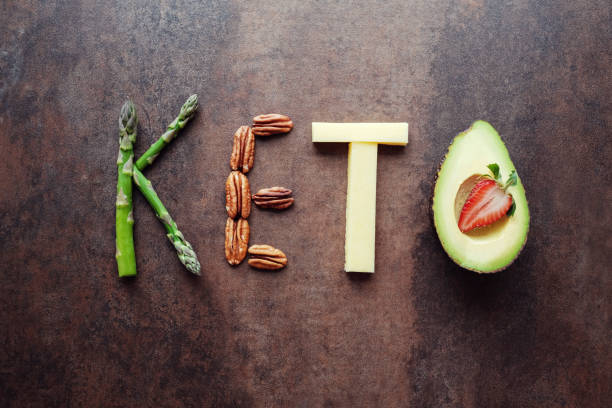
Ketogenic Diet sounds scary at first glance. It is pretty simple once you actually understand it. Your body switches from burning carbs to burning fat. That single shift changes how you feel and think every single day.
What Is the Ketogenic Diet, Really?
Ketogenic Diet is not just another trendy food fad. It has actually been around since the early 1920s. Doctors first developed it as a treatment for epilepsy in children. Today, millions of people around the world use it for weight loss, better energy, and improved overall health.
The core idea behind keto is beautifully straightforward. You eat a lot of fat, moderate amounts of protein, and very few carbohydrates. Normally, your body runs on glucose, which comes from the carbohydrates you eat. But when you cut carbs dramatically, something fascinating happens inside your body.
Your liver begins producing molecules called ketones. These ketones then become your body’s primary fuel source instead of glucose. Scientists call this metabolic state ketosis. Getting into ketosis and staying there is the entire goal of a ketogenic lifestyle.
Interestingly, many people do not realize that keto mimics the metabolic state your ancestors experienced during periods without food. Your body evolved to handle both glucose and ketone metabolism. That ancient biological flexibility is exactly what makes keto work so powerfully for modern people.
The Science Behind Ketosis and Your Brain
Your brain typically loves glucose as its go-to fuel source. However, research shows it adapts remarkably well to running on ketones once the transition completes. When your carbohydrate intake drops below 50 grams per day, your insulin levels fall significantly.
Lower insulin levels then signal your fat cells to release stored fatty acids into your bloodstream. Those fatty acids travel directly to your liver. Your liver then converts those fatty acids into three main ketone bodies: acetoacetate, beta-hydroxybutyrate, and acetone. Beta-hydroxybutyrate becomes the primary fuel your brain and muscles rely on during nutritional ketosis.
This entire process is deeply rooted in human biology and evolutionary history. Our ancestors simply did not always have reliable access to food. Their bodies therefore adapted over thousands of years to switch efficiently between glucose and ketone metabolism. That same metabolic flexibility kept early humans alive and sharp even during long periods of food scarcity.
Research published on the National Institutes of Health database confirms that ketosis significantly alters brain energy metabolism in meaningful ways. Ketones also produce fewer harmful free radicals than glucose does during energy production. This means nutritional ketosis may actually reduce oxidative stress in your brain cells over time.
(Source: https://www.ncbi.nlm.nih.gov/pmc/articles/PMC5981249/)
Additionally, ketones deliver a more stable and consistent energy supply to the brain than glucose does. Glucose causes spikes and crashes in blood sugar levels. Ketones, on the other hand, provide a much smoother and steadier flow of energy throughout the day.
Ketogenic Diet Macronutrient Breakdown
Getting your macros right is absolutely essential for success on keto. The standard ketogenic diet follows a very specific caloric ratio. About 70 to 80 percent of your daily calories should come from healthy fat sources. Protein makes up 15 to 20 percent of total calories. Carbohydrates should only account for 5 to 10 percent of what you eat each day.
In very practical terms, this means consuming just 20 to 50 grams of net carbs per day. Net carbs are simply total carbohydrates minus the fiber content of your food. Fiber does not spike blood sugar levels the way other carbs do, so it does not count toward your daily carb limit.
Consider a medium avocado as a great example. It contains about 12 grams of total carbohydrates. However, it also contains 9 grams of dietary fiber. That means an entire avocado only carries 3 grams of net carbs, making it a perfect keto food.
Protein intake also requires some careful thought. Eating too much protein can actually push you out of ketosis without you realizing it. Your body can convert excess protein into glucose through a biological process called gluconeogenesis. Therefore, keeping protein intake moderate rather than high is critically important for maintaining ketosis consistently.
Foods to Eat on a Ketogenic Diet

Choosing the right foods makes an enormous practical difference on keto. Fortunately, keto-friendly foods are genuinely satisfying, delicious, and surprisingly diverse. Here is a clear look at what should fill your plate every day.
Healthy fats form the foundation of every successful keto meal. Avocados are rich in heart-healthy monounsaturated fats and are also loaded with potassium. Extra virgin olive oil contains a powerful anti-inflammatory compound called oleocanthal. Coconut oil provides medium-chain triglycerides, which your liver converts into ketones exceptionally fast.
Nuts and seeds deserve a prominent place in your daily eating plan. Almonds, walnuts, macadamia nuts, pecans, and chia seeds all fit beautifully within keto guidelines. Furthermore, fatty fish like salmon, sardines, mackerel, and herring provide powerful omega-3 fatty acids. These essential fatty acids actively support brain health and help reduce chronic inflammation throughout the body.
Eggs deserve a special mention as one of the most complete keto foods available anywhere. Each egg delivers about 6 grams of high-quality protein and 5 grams of healthy fat. Additionally, eggs contain choline, a critical nutrient that supports both brain function and liver health simultaneously.
Non-starchy vegetables are your best source of carbohydrates on keto. Leafy greens like spinach, kale, arugula, and Swiss chard are extremely low in net carbs. Broccoli, cauliflower, zucchini, asparagus, and bell peppers all work brilliantly within daily carb limits. These vegetables also provide essential vitamins, minerals, antioxidants, and fiber your body genuinely needs to thrive.
Meat and poultry round out a strong keto plate with complete proteins. Grass-fed beef, pasture-raised chicken thighs, turkey, lamb, and pork shoulder are all excellent choices. Prioritizing higher-quality animal sources helps you avoid unnecessary additives, hormones, and inflammatory compounds that come in cheaper processed meats.
Foods to Avoid
Knowing what not to eat matters just as much as knowing what to eat. Several common food groups can knock you out of ketosis remarkably fast.
Grains top the list of foods to avoid completely on keto. Bread, pasta, white rice, oats, quinoa, and breakfast cereals are all extremely high in carbohydrates. Even whole grain options spike blood sugar enough to disrupt ketosis quickly.
Sugary foods are obviously off the table entirely. Candy, soda, sweetened fruit juices, energy drinks, and most packaged desserts are loaded with added sugar. These foods cause rapid and dramatic spikes in blood glucose and insulin. That glucose surge knocks you completely out of ketosis almost immediately after consumption.
Starchy vegetables can be trickier to identify for beginners. Potatoes, sweet potatoes, corn, peas, and parsnips all carry higher carbohydrate loads than most people realize. While these vegetables are certainly nutritious in other dietary contexts, they simply do not belong on a strict ketogenic plate.
Most common fruits also need to be limited significantly on keto. Bananas, grapes, mangoes, apples, oranges, and pineapple are all high in natural fruit sugars called fructose. However, small portions of berries like raspberries, blackberries, and strawberries work fine in moderation due to their lower sugar content.
Processed “keto” packaged products also deserve a serious word of caution. Many commercially sold keto bars, cookies, chips, and shakes contain hidden carbs, sugar alcohols, and artificial ingredients. Always read nutrition labels carefully and critically before purchasing any packaged product marketed as keto-friendly.
How to Start the Ketogenic Diet the Right Way
Starting keto the right way absolutely sets the tone for your long-term success. The very first step is always consulting a qualified healthcare professional before making major dietary changes. This is especially critical if you have type 2 diabetes, kidney disease, liver disease, high cholesterol, or any other existing health condition.
A doctor can run comprehensive baseline blood work before you begin your keto journey. This typically includes checking your lipid panel, electrolyte levels, kidney function markers, liver enzymes, and fasting blood glucose. Monitoring these markers gives you a clear picture of how your body responds to the dietary shift over time.
Once you receive medical clearance, begin reducing your carbohydrate intake gradually rather than all at once. Some people prefer cutting carbs sharply and immediately, and that approach does work for many individuals. However, a slower and more gradual transition gives your body more time to adapt. Aiming to reduce carbs by 20 to 30 grams every few days until you reach your target range works very well for most beginners.
Hydration becomes critically important from your very first day on keto. Your kidneys naturally excrete more water and sodium during the early stages of carbohydrate restriction. As a direct result, you need to consciously drink at least 2 to 3 liters of clean water every single day. Adding a small pinch of quality sea salt to your water helps replace the sodium your body loses rapidly during the initial transition phase.
Managing the Keto Flu Like a Pro
Most beginners experience something commonly known as the keto flu during their first week. This uncomfortable collection of symptoms genuinely feels like coming down with an actual flu. Headaches, fatigue, brain fog, irritability, muscle cramps, and low motivation are all very common complaints during this initial phase.
The keto flu happens primarily because your body loses electrolytes rapidly as insulin levels drop. Sodium, potassium, and magnesium all fall considerably when carbohydrate intake decreases sharply. Fortunately, you can manage these unpleasant symptoms very effectively with the right approach.
First, actively increase your sodium intake by salting your food more generously than usual. Second, eat potassium-rich keto foods like avocados, leafy greens, and salmon as frequently as possible. Third, consider taking a quality magnesium glycinate supplement if muscle cramps become particularly troublesome or frequent.
Most people feel noticeably better within just 3 to 7 days of starting keto. After that initial rough patch passes, many people report feeling clearer, more energetic, and mentally sharper than they have in years. Pushing through the temporary discomfort is absolutely worth the effort in the vast majority of cases.
How to Track Your Progress Accurately
Tracking your food intake is one of the most powerful habits you can build on keto. Without tracking, it becomes very easy to accidentally consume too many carbs and unknowingly exit ketosis. Apps like Carb Manager and Cronometer make food tracking simple, visual, and even genuinely enjoyable.
Log everything you eat in detail, at least during your first 4 to 6 weeks. Over time, you will develop a strong instinct for portion sizes and the carb counts of common foods. However, having real data helps you spot hidden patterns and make smarter adjustments to your approach.
Testing your actual ketone levels adds another valuable layer of insight to your progress tracking. Urine test strips are the cheapest and most accessible option for beginners. Unfortunately, they are not always the most accurate option, especially after your first few weeks as your body adapts. Blood ketone meters provide much more precise and reliable readings. A reading above 0.5 millimoles per liter on a blood ketone meter confirms that you have achieved nutritional ketosis.
Breath ketone analyzers represent a solid middle-ground option between urine strips and blood meters. They are fully reusable and provide reasonably accurate readings without requiring finger pricks. Many experienced keto practitioners swear by breath analyzers for convenient and pain-free daily monitoring.
(Source: https://www.ncbi.nlm.nih.gov/books/NBK499830/)
Exercise and the Ketogenic Diet: A Powerful Pair

Exercise and the ketogenic diet work remarkably well together when approached correctly. However, you need to understand that athletic performance may shift noticeably during your first 2 to 4 weeks on keto. Your muscles are actively learning to use fat as fuel instead of their familiar glycogen stores.
This fat-adaptation phase is completely normal and entirely temporary. Once your body fully adapts to fat-based fuel, many endurance athletes actually report improved stamina, reduced inflammation, and faster overall recovery between training sessions.
Resistance training deserves special emphasis for anyone following keto long-term. Lifting weights regularly helps preserve your lean muscle mass while you lose body fat. Without consistent strength training, some degree of muscle loss can occur, particularly if protein intake is not high enough to support muscle maintenance.
Combining the ketogenic diet with regular resistance training and adequate protein intake creates a genuinely powerful body composition strategy. You lose fat, preserve muscle tissue, and improve your overall metabolic health simultaneously. Moreover, consistent exercise increases insulin sensitivity, which supports long-term fat burning and metabolic efficiency.
Low-intensity cardiovascular exercise like walking, cycling, and swimming also pairs beautifully with keto. These activities rely heavily on fat oxidation for energy, which aligns perfectly with your body’s ketogenic fuel system and deepens fat adaptation over time.
Potential Benefits of the Ketogenic Diet
The scientific evidence supporting the ketogenic diet is genuinely impressive and continues to grow. Several well-documented benefits make this dietary approach worth exploring seriously and thoughtfully.
Weight loss is the most widely recognized and commonly reported benefit of keto. The ketogenic diet tends to reduce appetite naturally and significantly. Ketones actively suppress the hunger hormone ghrelin, making eating less feel surprisingly effortless for most people. Additionally, eliminating blood sugar spikes removes one of the most powerful triggers for between-meal cravings.
Blood sugar control represents another major and clinically significant advantage of keto. Research consistently shows that low-carbohydrate diets can dramatically reduce blood glucose levels in people with type 2 diabetes. Some patients even successfully reduce or completely eliminate their diabetes medications under careful medical supervision.
A study published in the journal Diabetes, Obesity, and Metabolism found that a ketogenic diet reduced HbA1c levels significantly in patients diagnosed with type 2 diabetes. This finding represents a genuinely meaningful clinical outcome for millions of people worldwide.
(Source: https://pubmed.ncbi.nlm.nih.gov/18370593/)
Epilepsy management stands as one of the oldest and most rigorously supported applications of ketogenic therapy. Clinical data shows the ketogenic diet reduces seizure frequency in approximately 50 percent of children who follow it consistently. Some children even achieve complete seizure freedom, which is a remarkable and life-changing outcome for a purely dietary intervention.
Emerging research is also actively exploring keto’s potential role in neurological conditions including Alzheimer’s disease and Parkinson’s disease. Ketones may provide an alternative and more efficient fuel source for neurons that have progressively lost the ability to metabolize glucose properly. This area of research is expanding rapidly and shows considerable early promise.
Cardiovascular markers also tend to improve meaningfully on keto for many individuals. Triglyceride levels commonly drop by very large amounts. HDL cholesterol often rises noticeably. Blood pressure typically improves as well, which reduces overall cardiovascular risk.
Liver Health and the Ketogenic Diet
Liver health is one topic that most keto guides unfortunately overlook almost entirely. Your liver works considerably harder during ketosis because it produces ketones continuously throughout the day. Therefore, actively supporting liver function becomes genuinely important on a long-term ketogenic program.
Some compelling research actually suggests the ketogenic diet can improve non-alcoholic fatty liver disease, which is one of the most common liver conditions in the modern world. By dramatically reducing carbohydrate intake and lowering insulin levels, fat accumulation inside liver cells decreases substantially. This outcome is particularly meaningful for people who already struggle with liver-related metabolic issues.
However, people with existing severe liver damage or cirrhosis should approach keto very cautiously. Always have your liver enzymes checked before beginning any significant dietary change. Working closely with a physician ensures you maintain safety and catch any concerning changes early.
For more on specific foods that place unnecessary stress on your liver and healthier alternatives you can substitute, check out this helpful guide: https://greendakota.com/7-foods-that-harm-the-liver-and-healthier-replacements-you-can-try/
Risks and Things to Watch Carefully
No single diet works perfectly for every individual. Keto comes with some genuine potential risks that deserve honest and straightforward attention.
LDL cholesterol levels can rise in certain individuals who follow a high-fat ketogenic diet. This does not happen to everyone, but it does happen frequently enough to warrant monitoring. Checking your full lipid panel every 3 to 6 months while on keto is a smart and responsible practice.
Nutrient deficiencies are a real possibility if your food variety remains too limited. Eliminating grains and most fruits means potentially missing out on B vitamins, vitamin C, and certain essential minerals. Eating a genuinely wide range of non-starchy vegetables and considering targeted supplementation helps prevent nutritional gaps from developing.
Kidney stones represent a concern for some keto dieters, particularly those with a personal or family history of stone formation. Changes in urine pH and increased calcium excretion can create favorable conditions for stone formation on a high-fat diet. Staying very well hydrated throughout each day significantly reduces this risk.
People with certain inherited genetic conditions like familial hypercholesterolemia may experience dramatically worsened lipid profiles on a high-fat diet. This reality is yet another compelling reason why obtaining medical guidance before starting keto is genuinely non-negotiable.
Furthermore, some people simply do not feel their absolute best on keto long-term, regardless of how carefully they follow the protocol. Every human body responds differently to different dietary approaches. Listening to your body honestly and adjusting your approach accordingly is always the most important tool you have available.
The Role of Sleep in Ketogenic Diet Success
Sleep is a massive and frequently underestimated factor that directly impacts your success on keto. Poor sleep quality raises cortisol levels in your blood, which in turn elevates blood sugar even when you are eating very few carbohydrates. Elevated cortisol can actually disrupt ketosis without you ever realizing it is happening.
Additionally, sleep deprivation significantly increases levels of the hunger hormone ghrelin while simultaneously creating leptin resistance in your cells. This hormonal combination makes food cravings dramatically harder to control. Even the most committed and disciplined keto follower struggles to resist high-carb temptations after a genuinely bad night of sleep.
Quality sleep also directly supports the muscle repair and rebuilding that resistance training demands from your body. Without sufficient deep sleep, your body simply cannot rebuild and strengthen muscle tissue efficiently after workouts. Furthermore, growth hormone release, which drives most muscle repair, happens primarily during deep sleep stages.
For a science-backed approach to improving your sleep quality significantly, consider exploring light therapy tools designed specifically for this purpose: https://greendakota.com/what-is-the-philips-smartsleep-light-and-how-it-works/
Also worth exploring is the debate between full nighttime sleep and daytime napping for overall productivity on a keto lifestyle: https://greendakota.com/sleep-vs-napping-for-productivity-what-works-best/
Managing your melatonin levels properly supports both sleep quality and overall hormonal balance throughout your keto journey. This connection matters considerably while your body is still adapting to ketogenic metabolism. Learn more about how sleep impacts anxiety, depression, and melatonin here: https://greendakota.com/how-sleep-affects-anxiety-and-depression-and-how-to-treat-melatonin-shortage/
Nutrient Deficiencies: The Hidden Keto Trap
Removing entire food groups from your diet always carries some meaningful risk of developing nutritional deficiencies. Keto is absolutely no exception to this biological reality. Several specific nutrients deserve careful and ongoing attention throughout your keto journey.
Magnesium ranks among the most commonly depleted minerals in keto followers. This critical mineral participates in more than 300 different enzymatic reactions throughout your body daily. Low magnesium levels cause muscle cramps, poor sleep quality, persistent headaches, and increased anxiety.
Potassium is another essential electrolyte that drops considerably on keto. Your heart, muscles, and nervous system all depend heavily on adequate potassium for proper function. Avocados, leafy green vegetables, and fatty fish naturally help replenish potassium stores when eaten consistently.
Vitamin D often goes completely unmentioned in keto discussions but matters enormously for overall health. Many people already carry a vitamin D deficiency before they even begin any dietary change. Vitamin D actively supports immune function, mood regulation, calcium absorption, and bone density. Getting adequate direct sunlight and considering supplementation makes practical sense for most keto followers.
This article about hidden nutrient deficiencies that affect physical development and health digs much deeper into what most nutrition guides miss entirely: https://greendakota.com/why-youre-short-the-hidden-nutrient-deficiency/
Selenium, zinc, and several B vitamins can also fall short on a poorly planned ketogenic eating pattern. Including organ meats, shellfish, eggs, and a diverse range of non-starchy vegetables in your weekly rotation covers most nutritional bases reliably and effectively.
Long-Term Sustainability on Keto
Sustainability deserves serious and honest reflection before committing to keto as a permanent lifestyle. Not every person can or should follow a strict ketogenic diet indefinitely. For some people, keto works beautifully as a powerful short-term metabolic reset that produces lasting benefits. For others, it becomes a genuinely satisfying and sustainable permanent way of eating.
The key to long-term success on any dietary approach is meaningful personalization. Your activity level, specific health goals, genetic background, gut microbiome composition, and food preferences all play important roles. A rigid, one-size-fits-all approach rarely delivers sustainable results for more than a few months before compliance starts breaking down.
Some people do extremely well cycling in and out of ketosis strategically. This approach is commonly called cyclical ketogenic dieting. They follow strict keto for 5 to 6 days, then allow significantly higher carbohydrate intake on 1 to 2 days per week. This cycling strategy can support intense athletic performance while still providing meaningful metabolic benefits throughout the week.
Others prefer a targeted ketogenic approach instead. They consume a small amount of fast-digesting carbohydrates specifically around workout sessions only. This targeted carbohydrate timing provides fuel for high-intensity training sessions without fully disrupting their overall state of ketosis between workouts.
When you eventually decide to transition away from strict keto, doing so very gradually prevents unwanted rapid weight regain and blood sugar instability. Reintroducing one serving of complex carbohydrates every few days gives your metabolic systems the time they need to readjust smoothly and comfortably.
Your Gut Microbiome on Keto
Your gut contains trillions of bacteria that collectively influence almost every biological system in your body. The ketogenic diet significantly changes your gut microbiome composition, and understanding this change is genuinely worth your time and attention.
Some early research suggests keto reduces overall gut bacterial diversity in the short term. However, that same research shows keto also reduces populations of harmful bacteria strongly associated with chronic inflammation and metabolic disease. The net effect on gut health appears to be complex and varies between individuals.
Including fiber-rich, low-carb vegetables generously in your daily eating actively supports a healthier gut microbiome while on keto. Fermented foods like sauerkraut, kimchi, and unsweetened full-fat kefir also introduce beneficial probiotic bacteria into your digestive system. Taking a quality broad-spectrum probiotic supplement provides additional targeted support during dietary transitions.
Prebiotic fibers from keto-compatible foods like asparagus, garlic, onions, and leeks actively feed and nourish beneficial gut bacteria. These foods are relatively low in net carbs and work very well within standard ketogenic carbohydrate guidelines. A thriving gut microbiome actively supports better digestion, stronger immunity, improved mood, and even sharper cognitive function.
Practical Daily Tips for Keto Success
Meal preparation is genuinely your best friend on the ketogenic diet. Spending a focused 2 to 3 hours on Sunday cooking proteins, roasting vegetables, and preparing fat-based sauces and dressings saves enormous time and decision fatigue during busy weekdays.
Batch cooking works particularly well for keto staples you use constantly. Roasted chicken thighs, hard-boiled eggs, browned ground beef, and cooked bacon are all excellent batch-cook options. Having these proteins ready in your refrigerator removes the temptation to reach for something fast but carbohydrate-heavy when hunger strikes unexpectedly.
Building a personal go-to list of 5 to 7 favorite keto meals you genuinely enjoy dramatically simplifies daily decisions. You absolutely do not need to reinvent your diet from scratch every single day. Rotating comfortably through a small set of reliable and satisfying meals keeps you consistent without ever feeling trapped or bored.
Social situations can feel somewhat tricky when you first start keto. However, most restaurants happily offer keto-compatible options when you look carefully at the menu. Grilled proteins paired with a fresh side salad or steamed vegetables work at virtually any restaurant establishment worldwide. Being clear and friendly with servers about your dietary preferences usually results in helpful and creative accommodations.
Traveling while following keto is very manageable with just a little advance preparation. Packing portable snacks like mixed nuts, hard cheese, beef jerky, and canned sardines prevents you from depending on airport food courts or gas station convenience stores. Most hotels also feature nearby restaurants or grocery stores that carry at least basic keto staples you can rely on.
Putting It All Together
The ketogenic diet is genuinely powerful and transformative when followed correctly and thoughtfully. It fundamentally changes how your body produces and uses energy at the deepest cellular and biochemical level. Understanding the actual science behind ketosis helps you make much smarter choices and stay genuinely motivated through every challenge the process brings.
Starting gradually, tracking your food intake carefully, managing your electrolytes proactively, and obtaining proper medical clearance form the absolute foundation of a safe and effective keto experience. Adding consistent exercise, prioritizing quality sleep every night, and actively managing daily stress create a truly complete and holistic health strategy.
Keto is not some kind of magical shortcut to perfect health. Consistent daily effort still matters enormously. However, the metabolic shift ketosis produces creates real, measurable, and meaningful changes in body composition, sustained energy levels, blood sugar control, and brain function that many people genuinely struggle to achieve through conventional dietary approaches.
Work closely with a trusted healthcare provider throughout your journey. Listen to your body honestly and without judgment. And remember always that the best dietary approach is ultimately the one you can maintain long-term while feeling genuinely vibrant, healthy, and energized in your daily life.
Sources and Further Reading
- National Institutes of Health (NIH) – Ketogenic Diet and Brain Metabolism: https://www.ncbi.nlm.nih.gov/pmc/articles/PMC5981249/
- StatPearls/NCBI – Clinical Applications of the Ketogenic Diet: https://www.ncbi.nlm.nih.gov/books/NBK499830/
- PubMed – Ketogenic Diet and Type 2 Diabetes Outcomes: https://pubmed.ncbi.nlm.nih.gov/18370593/
- American Society for Nutrition – Ketogenic Diets Overview: https://nutrition.org/
- Harvard Health Publishing – Ketogenic Diet Explained: https://www.health.harvard.edu/staying-healthy/should-you-try-the-keto-diet
- Healthline – Complete Keto Diet Food List: https://www.healthline.com/nutrition/ketogenic-diet-foods
- 7 Foods That Harm the Liver and Healthier Replacements: https://greendakota.com/7-foods-that-harm-the-liver-and-healthier-replacements-you-can-try/
- Philips SmartSleep Light and How It Works: https://greendakota.com/what-is-the-philips-smartsleep-light-and-how-it-works/
- Sleep vs Napping for Productivity: https://greendakota.com/sleep-vs-napping-for-productivity-what-works-best/
- How Sleep Affects Anxiety, Depression, and Melatonin: https://greendakota.com/how-sleep-affects-anxiety-and-depression-and-how-to-treat-melatonin-shortage/
- Why You’re Short: The Hidden Nutrient Deficiency: https://greendakota.com/why-youre-short-the-hidden-nutrient-deficiency/