
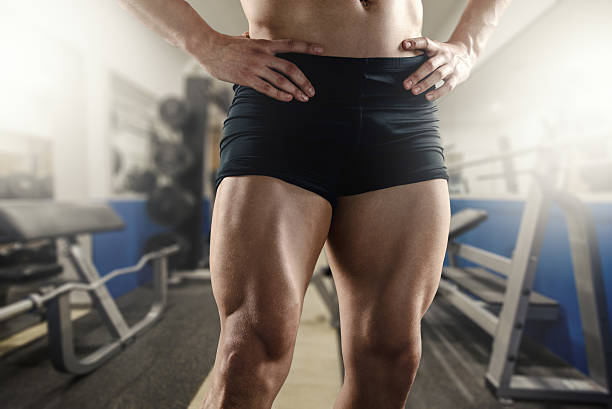
Thick Thighs just got their moment of glory. People used to mock them or try to shrink them down. Science now says strong legs could add years to your life.
Thick Thighs and the Science Behind the Buzz
A short video changed how people think about leg size almost overnight. The clip came from a channel called Today I Learned Science. It made a bold claim: bigger thighs might protect your heart. At first, that sounds like a strange joke. However, the research behind it holds up surprisingly well.
Researchers followed thousands of adults for more than a decade. They measured thigh size alongside blood pressure, cholesterol, and body weight. Then they tracked who developed heart disease over the years. The results caught many doctors off guard.
People with smaller thighs faced a much higher risk of early death from heart problems. Interestingly, this stayed true even after adjusting for belly fat and smoking habits. So thigh size was not just a random detail. Instead, it acted as its own warning sign for future heart trouble.
This finding flips a common assumption on its head. Many people grew up believing thin legs meant fit legs. Doctors now see the picture differently. Muscle mass in the legs tells a much bigger story about overall health than most people realize.
To understand why, you need to look closer at how your body is built. Your thighs are not just skin and fat. They house some of the largest, most active muscles in your entire body. (Source: BMJ, 2009 thigh circumference study)
The Heart Connection Nobody Talked About
Your heart depends on more than diet and cardio sessions alone. It also depends heavily on how much muscle sits on your lower body. Big thigh muscles are not just for looks or sports performance. Instead, they help control blood sugar, fight inflammation, and ease strain on blood vessels.
When blood sugar rises after a meal, your body needs somewhere to send that sugar. Muscle tissue works almost like a sponge for glucose. Thick Thighs, packed with dense muscle fiber, soak up more sugar than smaller, weaker legs. As a result, this process lowers insulin resistance over time.
Insulin resistance sits at the root of many serious heart problems. It raises blood pressure, damages the lining of blood vessels, and fuels chronic inflammation throughout the body. Therefore, when your thighs handle glucose efficiently, your entire cardiovascular system gets some relief.
This connects directly to one major finding from the original BMJ study. Researchers discovered that thigh size predicted heart risk better than cholesterol levels alone. That single fact reshaped how some doctors think about screening for cardiovascular risk.
Meanwhile, this does not mean cholesterol and blood pressure stop mattering. Rather, thigh size adds another useful piece to the puzzle. Together, these markers paint a fuller picture of heart health than any single number could on its own.
Thick Thighs and Blood Sugar: The Muscle Effect
Let’s slow down and look at what muscle actually does inside your body. Muscle is not just a passive structure that helps you walk or climb stairs. In fact, it behaves almost like an organ, constantly sending out chemical signals.
Scientists call these signals myokines. Myokines travel through your bloodstream and communicate with other organs, including your liver and pancreas. Specifically, they help regulate inflammation and improve how your body processes sugar and fat.
The more muscle you carry in your thighs, the more myokines your body releases regularly. Consequently, your metabolism tends to run smoother overall. Blood sugar swings become smaller and less frequent. Additionally, fat storage patterns often shift toward healthier locations in the body.
This helps explain why people with strong, larger thigh muscles often show better blood sugar control. Even without major diet changes, the muscle itself performs quiet, constant background work. Over years and decades, that steady work adds up significantly.
On top of that, muscle tissue contains structures called GLUT4 transporters. These transporters pull sugar directly out of the blood and into the muscle for storage. Simply put, more muscle means more transporters working on your behalf around the clock.
Inflammation, Fat, and the Quiet War Inside Your Body
Fat tissue and muscle tissue behave very differently inside the body. Visceral fat, the kind stored deep around your organs, releases inflammatory chemicals nonstop. Meanwhile, muscle tissue tends to calm inflammation rather than fuel it.
This matters because chronic inflammation quietly damages blood vessels over time. It also interferes with how cells respond to insulin. As a result, people with more visceral fat and less muscle often face higher cardiovascular risk.
Thick Thighs shift this balance in a favorable direction. More muscle mass means a smaller relative share of harmful fat tissue. Therefore, the constant chemical battle inside your bloodstream tilts toward calm rather than chaos.
Doctors often measure a marker called C-reactive protein, or CRP, to track inflammation levels. Higher CRP levels link closely to heart disease risk. Interestingly, people with greater muscle mass frequently show lower CRP readings, even without major lifestyle changes elsewhere.
So this is not just about appearance or strength alone. It is about a constant, invisible negotiation happening inside your bloodstream every single day. Thick Thighs, in this sense, act like quiet peacekeepers for your circulatory system.
Your Legs Are Basically a Muscle Factory
Here’s something most people never learn in school. Your thighs hold the largest muscle groups in your entire body. The quadriceps and hamstrings together outweigh your back or chest muscles combined.
The quadriceps group includes four separate muscles working together. These are the rectus femoris, vastus lateralis, vastus medialis, and vastus intermedius. Meanwhile, the hamstrings include the biceps femoris, semitendinosus, and semimembranosus. Together, these muscles allow you to walk, run, jump, and climb stairs.
Because these muscles are so large, they burn more energy even at rest. They also store more glycogen, which acts as the body’s quick-access fuel source. Bigger thigh muscles essentially mean a bigger fuel tank and a faster resting metabolism.
This also explains why leg day burns more calories compared to smaller muscle workouts. Training your legs forces your entire body to work harder. Your heart rate climbs faster than during upper body training. Additionally, your hormone response shifts toward growth and repair throughout your system.
Over time, this builds a stronger metabolic foundation. Thick Thighs become more than just a body type or trend. Instead, they become a clear sign that your muscle factory is running at full, healthy capacity.
The Brain Boost From Strong Legs
The benefits of strong legs do not stop at your heart or blood sugar. Surprisingly, your brain gets a say in this story too. Muscles release growth factors that travel through the bloodstream all the way up to the brain.
One key player here is called BDNF, short for brain-derived neurotrophic factor. BDNF supports the growth of new brain cells and protects existing neural connections. Exercise, especially movement using large muscle groups, boosts BDNF levels noticeably.
Since your thighs hold so much muscle mass, leg-focused movement triggers a particularly strong BDNF response. This means squats, lunges, and stair climbing are not simply leg exercises. Instead, they double as direct brain exercises too.
Over years of consistent movement, this stimulation may help protect memory and thinking speed. The brain, much like a muscle, responds well to repeated, consistent use. Strong legs may quietly be training a stronger, sharper mind in the background.
Furthermore, blood flow plays a major role here as well. Leg movement pumps more oxygen-rich blood toward the brain. This improved circulation supports healthy brain tissue and may slow certain aspects of cognitive aging.
Thick Thighs and Cognitive Aging: The Twin Study
A study from King’s College London puts this brain connection directly to the test. Researchers studied over 300 pairs of identical female twins. Since the twins shared identical genes, this setup helped isolate the true effects of lifestyle alone.
Researchers measured leg strength in each twin early in the study period. Ten years later, they retested memory and thinking skills in the same participants. Notably, the twin with stronger legs consistently scored better on cognitive tests.
This pattern held true even though both twins shared identical DNA and similar upbringings. Genetics alone could not explain the gap between them. Leg strength itself appeared to drive much of the difference in brain aging.
Researchers believe this connects back to BDNF, blood flow, and reduced inflammation, working together over time. Each factor on its own seems small. However, combined and repeated daily, these effects compound significantly across a decade. (Source: Steves et al., Gerontology, 2016)
That single study gave fresh scientific weight to an old idea. Strong legs and Thick Thighs may protect the brain nearly as much as they protect the heart.
Muscle Reserves and Surgery Recovery
Hospitals care about muscle mass more than most people realize. Doctors increasingly treat low muscle mass as a genuine surgical risk factor. Patients with more muscle tend to recover faster after major operations.
This condition, known as sarcopenia, describes muscle loss tied to aging or illness. Sarcopenia raises the risk of complications during recovery periods. It also slows healing speed and tends to increase hospital stay length significantly.
Thick Thighs act almost like a reserve tank during these difficult moments. Your body pulls energy and protein from muscle stores whenever it needs extra resources to heal. Therefore, more muscle mass simply means more reserves available to draw from.
This is one major reason doctors now screen for muscle mass before scheduling major surgeries. Strength is not only about lifting weights at the gym. Rather, it is about giving your body backup resources for the moments that matter most.
Additionally, muscle helps regulate body temperature and supports immune function during illness. So even outside of surgery, having more muscle mass offers quiet protection during everyday sickness or injury recovery.
The Old Myths About Thick Thighs, Busted
For decades, thin legs were treated as the gold standard of fitness. Magazines, diet trends, and old fitness myths pushed this idea relentlessly. However, none of that messaging was ever backed by solid science.
Many people associated thigh size purely with body fat or aesthetics. In reality, thigh circumference often reflects muscle mass far more than fat. This distinction matters enormously when it comes to actual health outcomes.
Cellulite, often blamed unfairly on thigh size, has nothing to do with muscle strength. It relates to skin structure and fat distribution, not fitness level. Therefore, judging thigh health by appearance alone misses the real picture entirely.
Old fitness culture also pushed extreme calorie restriction, which often shrinks muscle along with fat. Ironically, this approach may have made many people less healthy, not more. Thick Thighs built through strength training tell a completely different story than thin legs built through starvation.
So it’s time to retire these outdated myths for good. Strength, not size alone, deserves the spotlight here.
How to Build Thick Thighs the Right Way
Building stronger, bigger thighs does not require fancy equipment or hours at the gym. Simple, repeated movement does most of the heavy lifting here. Consistency matters far more than intensity in this case.
Walking uphill activates thigh muscles more effectively than flat walking does. Climbing stairs adds resistance with almost zero equipment required. Both activities fit easily into a normal, busy daily routine.
Squats remain one of the most effective thigh-building movements available today. Lunges target each leg individually, which helps correct muscle imbalances over time. Resistance training, even using light weights, adds steady muscle growth gradually.
For best results, aim for these movements two to four times per week. Rest days matter too, since muscle actually grows during recovery, not during the workout itself. Patience, paired with steady effort, builds Thick Thighs over months rather than days.
Beyond gym workouts, everyday movement adds up significantly as well. Taking stairs instead of elevators, parking farther away, or biking instead of driving all contribute. Small choices, repeated daily, eventually produce meaningful, lasting change.
Food, Protein, and Recovery for Thick Thighs
Exercise alone cannot build muscle without proper nutrition supporting it. Protein provides the raw building blocks your muscles need to repair and grow. Without enough protein, even consistent training produces limited results.
Leucine, a specific amino acid found in protein-rich foods, plays a key role here. It activates a pathway in your body that triggers muscle growth directly. Foods like eggs, fish, chicken, beans, and dairy all provide solid leucine sources.
Sleep also plays a surprisingly large role in muscle recovery and growth. During deep sleep, your body releases growth hormone, which supports tissue repair. Poor sleep, on the other hand, slows recovery and limits strength gains over time.
Hydration matters too, since muscles rely on water for proper function and recovery. Even mild dehydration can reduce strength and slow progress noticeably. Therefore, building Thick Thighs involves far more than workouts alone.
Ultimately, training, nutrition, and rest work together as a complete system. Neglecting any single piece slows down the whole process significantly.
Thick Thighs at Every Age: It’s Never Too Late
Age should never serve as an excuse to skip leg training entirely. Research shows that even people in their eighties can build new muscle. The body keeps responding to resistance training at almost any stage of life.
Older adults often lose muscle faster than younger adults without regular movement. This decline tends to speed up around the legs first. As a result, leg strength becomes one of the most useful health markers for healthy aging.
The encouraging part is that this decline remains highly reversible in most cases. Simple resistance exercises, done consistently, can rebuild lost strength over time. Even small improvements in leg strength noticeably improve balance and independence.
For older adults specifically, preserving leg muscle protects against falls, frailty, and hospital stays. Thick Thighs are not only for younger people chasing aesthetics or trends. Instead, they serve as a long-term investment in mobility and independence.
So whether someone is twenty-five or seventy-five, the lesson stays the same. Strong legs support a stronger, more independent future at any age.
The Bottom Line on Thick Thighs
Old habits taught people to fear bigger legs for far too long. New research flips that fear into genuine encouragement instead. Thick Thighs, built through strength training, support your heart, brain, and recovery from illness.
This is not about chasing a certain look or following a passing trend. Rather, it is about building muscle that performs real, measurable work inside your body daily. Strong legs handle blood sugar, support brain function, and stand ready during medical emergencies.
The takeaway here stays refreshingly simple. Train your legs, respect your muscle, and let go of outdated myths about thigh size. Thick Thighs deserve genuine credit, not criticism, for everything they quietly accomplish.
So next time leg day feels especially tough, remember the bigger picture at play. You are not just building muscle in that moment. You are building a stronger heart, a sharper mind, and a longer, healthier life ahead.
Sources and Further Reading
This article draws on real, peer-reviewed research rather than guesswork or trends. Below are the original studies and video that inspired this piece.
- Heitmann BL, Frederiksen P. “Thigh circumference and risk of heart disease and premature death: prospective cohort study.” BMJ. 2009;339:b3292. https://doi.org/10.1136/bmj.b3292
- Steves CJ, Mehta MM, Jackson SH, Spector TD. “Kicking back cognitive ageing: leg power predicts cognitive ageing after ten years in older female twins.” Gerontology. 2016;62(2):138-149. PMID: 26551663. https://pmc.ncbi.nlm.nih.gov/articles/PMC4789972/
- Original video: Today I Learned Science, YouTube Shorts. https://youtube.com/shorts/HDxYSiLE5Ow