
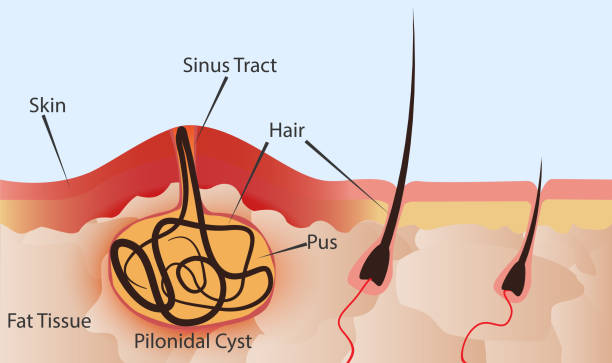
Pilonidal Cyst sounds like a fancy word you never want to Google. Yet, many people discover it the hard way. Sitting for long hours is one of the biggest triggers. Let us break it all down simply.
What Is a Pilonidal Cyst?
So, picture this. You sit at your desk all day long. Your back feels stiff, your legs are tired, and suddenly there is a painful lump near your tailbone. That, right there, could be a pilonidal cyst making itself known.
A pilonidal cyst is a small abnormal pocket or sinus that forms near the top of the buttocks crease. It usually develops right at the base of the tailbone. Over time, this pocket fills with hair, dead skin cells, and other debris. When bacteria sneak in, the situation gets uncomfortable very quickly.
The word “pilonidal” comes directly from Latin roots. “Pilus” means hair and “nidus” means nest. So, a pilonidal cyst is quite literally a nest of hair buried under your skin. That description sounds unpleasant because the condition genuinely is.
According to the Mayo Clinic, this condition frequently becomes infected and forms a painful abscess. The abscess can drain pus, smell unpleasant, and make sitting feel like pure torture. Many people shrug it off at first. That decision, however, almost always makes things worse.
Source: Mayo Clinic – Pilonidal Cyst
The Biology Behind the Pain
To truly understand what is happening inside your body, you first need to understand your skin. Your skin has three main layers working together constantly. The outermost layer is called the epidermis. Below that sits the dermis. Beneath the dermis lies subcutaneous tissue, which contains fat and connective fibers.
Hair follicles run deep through the dermis layer. They anchor each strand of hair into place. Sometimes, these follicles get blocked or physically damaged. When that happens near the tailbone specifically, trouble begins almost immediately.
The tailbone, also called the coccyx, sits at the very base of your spine. It is a small triangular bone made of three to five fused vertebrae. The skin surrounding the coccyx is especially vulnerable to pressure and constant friction. That area, called the natal cleft or gluteal cleft, easily traps sweat, loose hair, and skin debris.
When a hair strand breaks off and points inward, it can pierce the upper skin layers. Your immune system then treats this foreign hair as an invader. So, your body builds a protective pocket around it. This pocket grows gradually over time. Eventually, bacteria enter and a full infection takes hold.
Research published on the National Institutes of Health website confirms that the immune response around the cyst triggers strong inflammation. White blood cells rush to the area in large numbers. The result is intense redness, visible swelling, and deep pain.
Source: National Institutes of Health
How Sitting Too Long Triggers a Pilonidal Cyst
Here is where things get very real for most people. Prolonged sitting is one of the most common reasons a pilonidal cyst develops in the first place. Unfortunately, many people do not make this connection until they are already in pain.
When you sit for extended periods, your entire body weight presses down onto the tailbone area. That repeated pressure pushes loose hairs directly into the skin. Over time, tiny micro-tears develop on the surface of the skin. These small openings become entry points for hair, dirt, and bacteria to move inward.
Furthermore, sitting creates continuous friction between the skin folds in that area. This constant friction gradually damages the top layers of skin. The dermis becomes irritated and increasingly vulnerable. As a result, the risk of cyst formation rises significantly with each passing hour of uninterrupted sitting.
Additionally, poor blood circulation plays a serious role in this process. When you sit for too long without movement, blood does not flow freely to the tailbone region. Reduced blood flow means fewer immune cells reach that spot regularly. So, minor infections can grow unchecked for a while before your body even registers the problem.
You can read more about the full health impact of prolonged sitting here: Health Risks of Sitting Too Long
Certain occupations make this problem considerably worse. Truck drivers, office workers, call center employees, and students rank among the highest-risk groups. These individuals often sit between six and ten hours every single day. Consequently, they experience much higher rates of pilonidal cyst development than more active populations.
The Cleveland Clinic also notes that tight or rough clothing worsens the problem further. Jeans with thick seams increase friction around the natal cleft noticeably. Therefore, even the clothing you wear while sitting can actively contribute to the risk.
Source: Cleveland Clinic – Pilonidal Disease
The Famous “Jeep Disease” Story
Here is a fun historical fact that was not fun for the people who lived through it. During World War II, thousands of American soldiers developed painful tailbone cysts in large numbers. Military doctors noticed a clear and troubling pattern very quickly.
The soldiers who developed these cysts most frequently were those riding in jeeps over rough terrain for many hours. The constant bumping, jolting, and sitting on hard vehicle seats drove loose hair into their skin repeatedly. The condition became so widespread and debilitating that doctors gave it a nickname that stuck for decades.
According to the Cleveland Clinic, military physicians began calling it “Jeep driver’s disease.” Even today, some medical texts still reference this nickname with a touch of historical respect. The American military eventually discharged many soldiers because of this condition. That fact alone shows how serious and disabling a pilonidal cyst can truly become when left untreated.
Today, the modern version of the jeep soldier is the office worker or long-haul truck driver. The seats are softer and the roads are smoother. Nevertheless, prolonged sitting still does the exact same damage to the tailbone area over time.
Source: Cleveland Clinic
Who Gets a Pilonidal Cyst Most Often
Not everyone who sits frequently will develop this condition. However, certain factors raise your risk considerably. Understanding those factors helps you take protective action much earlier.
Young men between the ages of 15 and 35 are the most commonly affected group. Hormonal changes during puberty increase both hair growth and hair coarseness. Coarser, thicker hair is far more likely to penetrate the skin after breaking off. So, this age group naturally faces a higher biological risk than others.
People with thick or curly body hair also experience higher rates of pilonidal cyst development. The curved shape of curly hair makes it more likely to turn back and pierce the skin after snapping off. Straight hair can do this too. However, curved strands cause significantly more problems in the natal cleft area.
Obesity increases the risk as well. Extra body weight creates deeper skin folds around the natal cleft region. Those deeper folds trap more heat, accumulated sweat, and loose hair over time. Moreover, greater body weight places considerably more pressure on the tailbone during any sitting activity.
A sedentary lifestyle combined with inconsistent hygiene in the area creates the ideal environment for problems. Sweat builds up in the cleft throughout the day. Dead skin cells accumulate faster than usual. Together, these conditions create the perfect breeding ground for cyst formation.
Research from the NIH also identifies family history as a meaningful risk factor. If a close family member previously had a pilonidal cyst, your own chances of developing one are notably higher. This connection suggests some genetic influence over skin structure or hair follicle vulnerability in that region.
Source: NIH – Pilonidal Disease
Symptoms You Should Not Ignore
A pilonidal cyst does not always announce itself with dramatic flair at first. Initially, you might notice only a tiny dimple or small pit near your tailbone. That pit is actually a sinus tract opening. It marks the entry point where hair and debris slowly collect beneath the surface.
As the condition progresses further, pain becomes the dominant experience. The discomfort usually worsens noticeably when you sit down. Pressure from sitting pushes against the inflamed tissue and the nerves surrounding it. That is why many people first notice the problem during a long commute, a flight, or an extended workday.
Swelling develops not long after pain begins. The skin around the cyst becomes raised, red, and warm when you touch it. These are classic and reliable signs of inflammation and possibly early infection. At this stage, your body is fighting hard but may genuinely need outside medical help.
Drainage is a serious warning sign that demands immediate attention. Pus or blood leaking from the area confirms that the cyst has developed into a full abscess. The drainage often carries a foul odor because of the bacterial activity inside. Fever and general fatigue sometimes accompany this stage, signaling that infection has begun affecting more than just the local tissue.
According to Healthline, many people delay seeing a doctor because they feel embarrassed about the location of the problem. That delay, however, gives the infection more time to spread deeper into surrounding tissue. Early medical attention consistently leads to better, faster, and less painful outcomes.
Source: Healthline – Pilonidal Cyst
How Your Body Fights Back Inside
Your body runs a surprisingly complex defense operation the moment a pilonidal cyst begins forming. Understanding this internal battle helps you see just how serious the condition really is at a biological level.
First, the immune system dispatches mast cells to the affected area. These cells release histamine and other inflammatory chemicals into the surrounding tissue. That chemical release causes nearby blood vessels to widen dramatically. More blood then rushes to the infected spot, producing the redness and warmth you feel from the outside.
Next, neutrophils arrive in large numbers. These frontline immune cells engulf and destroy invading bacteria one by one. However, in doing so, they inevitably damage some surrounding healthy tissue as well. That collateral tissue damage produces the characteristic throbbing pain and visible swelling associated with the condition.
As the infection continues beyond the initial response, the body constructs a wall of dead cells and immune debris around the bacteria. This wall becomes the abscess itself. The pus inside an abscess is a mixture of dead bacteria, destroyed white blood cells, and trapped tissue fluid.
Nearby lymph nodes also respond actively. They filter bacteria from the lymphatic fluid and try to prevent the infection from spreading further through the body. When you notice tender lymph nodes in your groin area alongside tailbone pain, it often means the infection is attempting to travel outward.
The sciatic nerve runs close to the lower spine and the coccyx region. A severe or deep infection can irritate this nerve directly. When that happens, shooting pain travels down one or both legs. This adds another layer of discomfort to an already difficult and painful situation.
Simple Ways to Prevent It
The genuinely good news is that prevention is very achievable with the right habits. A few consistent lifestyle changes go a long way in keeping a pilonidal cyst away. Moreover, these same changes benefit your overall body health significantly.
First and most importantly, break up your sitting time throughout the day. Stand up every 45 to 60 minutes and move around briefly. Walk for just two to five minutes each time. This simple action relieves direct pressure on your tailbone and restores healthy blood circulation to the area.
Using a cushioned seat or donut-shaped pillow also reduces risk significantly. These specialized pillows minimize direct pressure on the natal cleft during long sitting sessions. They are especially valuable for people who must work sitting for many consecutive hours.
Keeping the area clean is equally important for long-term prevention. Wash the tailbone region every day using mild soap and warm water. After washing, dry the area thoroughly and completely. Moisture that remains trapped in skin folds speeds up bacterial growth considerably.
Regular hair removal in and around the natal cleft reduces risk in a very meaningful way. You can shave the area weekly or use depilatory creams if shaving is uncomfortable. Laser hair removal offers a more permanent solution for people prone to recurrence. According to the Mayo Clinic, consistent hair removal is one of the single most effective prevention strategies available.
Source: Mayo Clinic
Wearing loose, breathable clothing matters more than most people realize. Tight clothing traps heat and increases friction in the natal cleft throughout the day. Cotton underwear and loose-fitting pants are genuinely better choices for at-risk individuals. Moreover, avoiding hard surfaces without cushioning for extended periods protects the skin from repeated mechanical trauma.
Maintaining a healthy body weight reduces pressure on the tailbone area in a direct and measurable way. Even modest weight reduction can decrease the depth of skin folds in the cleft. Consequently, less debris accumulates there and the overall risk drops noticeably.
Treatment Options That Actually Work
Despite your best prevention efforts, a pilonidal cyst sometimes still develops. Do not panic when it does. Several proven and effective treatment options exist, and experienced doctors handle these cases every single day.
For mild cases caught in the early stages, warm compresses provide real and meaningful relief. Apply a warm, damp cloth to the affected area for 15 to 20 minutes several times each day. The gentle heat increases local blood flow and can help a small cyst drain on its own naturally. Sitz baths offer similar benefits for comfort during this early stage.
However, once infection sets in, medical treatment becomes genuinely necessary rather than optional. A doctor will typically drain the abscess as the first priority. This procedure involves making a small incision into the cyst to allow pus to escape. The drainage provides immediate and significant relief from the pressure and pain that has been building.
Antibiotics are sometimes prescribed alongside drainage to support recovery. They help clear bacterial infection from the surrounding inflamed tissue. Nonetheless, antibiotics alone rarely resolve an infected pilonidal cyst without the drainage procedure accompanying them.
For recurrent or chronic cases that keep coming back, surgery offers the most lasting and reliable solution. The surgeon removes the entire cyst, associated sinus tracts, and surrounding affected tissue during the procedure. Different surgical techniques exist and each has its own benefits. Some approaches leave the wound open to heal gradually from the inside out. Others close the wound immediately with sutures.
Wound Evolution notes that open healing methods, though they take longer, often produce lower recurrence rates over time. Closed methods heal more quickly on the surface. However, they carry a slightly higher chance of the cyst returning later. Your surgeon will recommend the best approach based on your specific situation and medical history.
Source: Wound Evolution – Pilonidal Disease
Recovery after surgery requires consistent daily wound care and patience. Keeping the area clean and completely dry is the most critical part of recovery. Regular follow-up appointments with your doctor ensure proper and complete healing. Most patients return to normal daily activity within a few weeks of the procedure.
When to See a Doctor Right Away
Knowing when to seek medical help is as important as knowing how to prevent the problem. Some symptoms demand immediate professional attention without delay. Waiting too long in these cases can turn a manageable situation into a serious health emergency.
Go to a doctor as soon as you notice any drainage from the tailbone area at all. Pus or blood coming from any skin opening near the coccyx is never normal or safe to ignore. That symptom alone warrants prompt medical evaluation without waiting to see if it resolves on its own.
A fever above 38 degrees Celsius combined with tailbone pain is a serious red flag. Together, these signs suggest that infection has spread beyond the local tissue. This situation requires urgent medical care rather than a wait-and-see approach.
Rapidly increasing swelling or redness spreading outward from the original site is also an emergency sign. Spreading redness can indicate cellulitis, which is a serious and fast-moving skin infection. Left without treatment, cellulitis can become life-threatening in a relatively short period.
Additionally, if you feel generally unwell, deeply fatigued, or confused alongside local symptoms, get help immediately. These systemic signs suggest widespread infection that may require hospitalization and intravenous antibiotics. The Cleveland Clinic strongly advises against any form of self-treatment once these broader symptoms appear.
Source: Cleveland Clinic
Diet, Lifestyle, and Your Skin’s Defense
Your diet plays a surprisingly powerful role in both preventing and managing a pilonidal cyst. What you eat directly shapes your skin’s strength, your immune function, and your body’s capacity to fight off infection efficiently.
Foods rich in vitamin C actively support collagen production in the body. Collagen is the structural protein that keeps skin firm, resilient, and intact. Strong skin is far less likely to develop micro-tears from daily pressure and friction. Oranges, bell peppers, kiwi, and berries are all excellent vitamin C sources worth including regularly.
Zinc is another critically important nutrient for skin health. It directly supports wound healing and the overall function of your immune system. Pumpkin seeds, legumes, nuts, and lean meats provide solid amounts of zinc in a regular diet. A zinc deficiency measurably slows the skin’s natural ability to repair minor damage before it becomes a bigger problem.
Anti-inflammatory foods reduce systemic inflammation throughout the entire body. Fatty fish like salmon, dark leafy greens, walnuts, and olive oil all work in this positive direction. Lower body-wide inflammation means your immune system responds more effectively to minor skin irritations before they escalate into infections.
Ultra-processed foods, on the other hand, actively worsen inflammation across the body. Refined sugars and unhealthy fats disrupt the balance of bacteria in the gut. That disruption cascades upward and weakens the immune system’s ability to protect the skin from bacterial invasion effectively.
Staying well-hydrated matters significantly for skin health as well. Water keeps skin cells plump, flexible, and functioning at their best. Dehydrated skin is thinner, more fragile, and tears more easily under any kind of repeated pressure. Aim for at least eight full glasses of water throughout the day.
Pilonidal Cyst in Young People: A Growing Concern
Pilonidal cyst rates have risen noticeably among teenagers and young adults in recent years. Experts point to several contributing factors that are worth examining with some honest attention.
First, sedentary lifestyles are far more common among young people than ever before. Many teenagers spend six to eight hours sitting during school each day. After school, they often sit for more hours doing homework, gaming, or scrolling through social media. That cumulative daily sitting time rivals the schedules of full-time office workers.
Obesity rates among young people have also climbed steadily over recent decades. The CDC reports that childhood obesity rates in the United States have roughly tripled since the 1970s. Extra body weight increases tailbone pressure and deepens skin folds in the natal cleft region. Both factors raise pilonidal cyst risk considerably for younger individuals.
Furthermore, awareness of this condition among teenagers is genuinely low. Many young people feel too embarrassed to report tailbone discomfort to parents or school nurses. By the time they finally seek help, the cyst has often already developed into a painful and infected abscess.
Schools and parents can help meaningfully by encouraging movement breaks throughout the sitting day. Standing desks, structured activity periods, and open health conversations all make a real difference in outcomes. Early lifestyle changes consistently prevent the need for painful medical procedures down the road.
Sitting, the Spine, and Your Coccyx
Your coccyx is a small bone, but it does important work every single day. It supports your body weight whenever you sit. It also anchors several muscles involved in walking, maintaining balance, and supporting bowel function.
Prolonged sitting changes the pressure on your coccyx in very significant ways. Studies show that sustained sitting increases pressure in the tailbone area by up to 75 percent compared to simply standing upright. That relentless compression affects both the coccyx bone itself and all the surrounding soft tissue.
Over time, repeated compression weakens the skin and connective tissue in the natal cleft area progressively. Hair follicles in that vulnerable region become increasingly susceptible to damage and penetration. The cycle of pressure, follicle damage, and inward hair penetration drives pilonidal cyst formation in a self-reinforcing loop.
Poor sitting posture makes the entire problem considerably worse. Slouching forward shifts body weight unevenly onto the tailbone rather than the whole seat. This concentrated pressure on a smaller surface area dramatically increases the risk of tissue damage over time. Sitting upright with proper lumbar support distributes weight more evenly and protects the coccyx much more effectively.
Ergonomic adjustments to your work setup genuinely reduce your risk over the long term. A properly adjusted chair with firm lumbar support, a cushioned or memory foam seat, and scheduled posture breaks all actively contribute to protecting this vulnerable and often overlooked area of the body.
Managing Recurrence: Staying One Step Ahead
One frustrating reality of pilonidal cyst is its tendency to return after treatment. Recurrence rates after simple drainage procedures can reach up to 40 percent in some patient groups. After surgical removal, those rates drop meaningfully but do not reach zero entirely.
Preventing recurrence requires consistent and ongoing effort even after treatment concludes. Continue regular hair removal in the area throughout the healing process and beyond. Keep the skin clean and completely dry every single day without exception. Avoid long periods of uninterrupted sitting, particularly on hard surfaces, for as long as possible.
Follow-up appointments with your doctor after treatment are genuinely not optional steps. They give your doctor the opportunity to catch early signs of recurrence before they develop into full infections again. Catching a returning problem early means simpler, less invasive, and considerably less painful treatment the second time around.
Some doctors recommend permanent laser hair removal specifically for patients with recurring cases. This approach targets and eliminates the primary mechanical trigger of recurrence in a lasting way. Multiple studies report significant and meaningful reduction in recurrence rates following a complete course of laser hair removal therapy.
The Emotional Side of Pilonidal Cyst
It is worth honestly acknowledging that dealing with a pilonidal cyst affects far more than just your physical body. The location of the condition causes many people to feel genuinely embarrassed or deeply ashamed about seeking help. This emotional burden frequently delays treatment and allows the condition to worsen unnecessarily.
Pain during sitting also affects daily productivity and overall quality of life in measurable ways. Students struggle to focus on their work in class when every chair feels like a punishment. Office workers find it difficult to complete their tasks comfortably through a full work shift. Athletes find themselves unable to train at full capacity, which compounds both physical and emotional stress.
Talking openly with a healthcare provider removes the stigma attached to this condition effectively. Doctors, nurses, and surgeons treat pilonidal cyst cases as a completely routine part of their clinical work. There is truly nothing unusual or shameful about developing this condition. Getting help promptly and without shame protects both your physical health and your mental well-being over the long term.
Final Thoughts on Pilonidal Cyst
Pilonidal Cyst is a real, common, and very treatable condition affecting people across all walks of life. Understanding its causes, the biology behind it, and the available prevention strategies puts you in a genuinely stronger and more informed position. Sitting less, moving more frequently, and caring for your skin consistently are the three simplest and most powerful steps you can take starting today.
Stand up every hour. Keep your body well-hydrated and clean. Wear clothing that breathes and does not create unnecessary friction. See a doctor at the very first sign of pain, swelling, or drainage near your tailbone. Early action always produces better outcomes than delayed regret.
Your tailbone quietly supports you every single day without complaint. Give it the care and attention it deserves in return.
Sources and External Links
Mayo Clinic – Pilonidal Cyst: https://www.mayoclinic.org/diseases-conditions/pilonidal-cyst/symptoms-causes/syc-20376352
Cleveland Clinic – Pilonidal Disease: https://my.clevelandclinic.org/health/diseases/22832-pilonidal-disease
National Institutes of Health – Pilonidal Disease: https://www.ncbi.nlm.nih.gov/books/NBK547613/
Healthline – Pilonidal Cyst: https://www.healthline.com/health/pilonidal-cyst
Wound Evolution – Pilonidal Disease: https://www.woundevolution.com/pilonidal-disease/
Green Dakota – Health Risks of Sitting Too Long: https://greendakota.com/health-risks-of-sitting-too-long/