
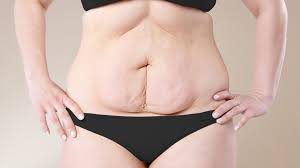
Loose skin catches many people completely off guard. Millions deal with it after weight loss or aging. It feels discouraging, but real solutions exist. Science has solid answers waiting for you.
What Is Loose Skin, Really?
So, picture this. You worked really hard, lost the weight, and finally hit your goal. Then you looked in the mirror and thought, “Wait, what is this extra skin doing here?” You are absolutely not alone. Loose skin is one of the most common surprises people encounter after major body changes.
Simply put, loose skin is skin that has lost its natural ability to snap back into place. Normally, healthy skin stretches and bounces back like a rubber band. But sometimes, that rubber band gets overstretched. It loses tension, starts to sag, and no longer holds its original shape at all.
Doctors officially call this condition skin laxity. It commonly affects the belly, arms, thighs, neck, and face. Furthermore, it can affect virtually anyone, not just people who lost weight. Age, genetics, and daily lifestyle habits all play major roles in how your skin behaves over time.
The Biology Behind Loose Skin
To truly understand loose skin, you first need to understand what skin is actually made of at a structural level. Your skin is the largest organ in your entire body. Additionally, it is far more complex beneath the surface than most people ever realize.
Skin has three distinct main layers. The outermost layer is called the epidermis. Directly below that sits the dermis. And deep underneath lies the hypodermis, which consists mostly of fat cells and connective tissue.
The dermis is where the real action happens for skin firmness and resilience. This layer is densely packed with two critical structural proteins: collagen and elastin. Together, these proteins give skin both its strength and its flexibility. Collagen acts like internal scaffolding, providing structure and firmness to every square inch of your skin. Elastin, on the other hand, gives skin its remarkable bounce-back ability after stretching or pressure.
According to the American Academy of Dermatology, collagen makes up about 75 to 80 percent of your skin’s dry weight. So, it is essentially the architectural backbone of your entire skin structure. When collagen breaks down or production slows, skin starts losing its youthful firmness noticeably. As a result, gradual sagging begins to take hold.
Hyaluronic acid is another crucial player in the skin’s overall structure and appearance. This remarkable molecule attracts and holds water inside the skin tissue, keeping it plump and hydrated. Consequently, when hyaluronic acid levels decline significantly, the skin looks deflated and takes on a loose quality. Think of it like a plump grape slowly turning into a raisin over time.
Fibroblasts are the specialized cells responsible for producing both collagen and elastin in the skin. These cells live and work inside the dermis layer. Over time, fibroblast activity slows down considerably with age. Moreover, various environmental stressors can damage fibroblasts and noticeably reduce their collagen output.
What Causes Loose Skin to Happen
Loose skin does not appear overnight without a clear underlying reason. In fact, several distinct factors can trigger skin laxity. Understanding these root causes is the first important step toward managing the condition as effectively as possible.
Aging and the Structure of Your Skin
Aging is the most universal and unavoidable cause of skin laxity in the human body. Starting in your thirties, your body begins producing noticeably less collagen and elastin than before. By your forties, this decline becomes visibly apparent on the skin’s surface. Moreover, the skin’s natural self-repair ability slows down considerably over these same decades.
Research confirms that collagen production drops by roughly 1 percent every single year after age 20. Additionally, UV exposure from sunlight breaks down existing collagen fibers even faster than age alone. So, decades of unprotected sun exposure make an enormous cumulative difference in how skin ages and loses its firmness.
The epidermis itself gets progressively thinner as you age naturally over time. Skin cells turn over more slowly, meaning older, damaged cells linger on the surface much longer than in youth. Because of this biological slowdown, skin looks increasingly dull, thin, and far less resilient than before.
Extrinsic aging, driven by outside stressors like air pollution, smoking, and UV radiation, accelerates these changes dramatically. These external stressors create what scientists call oxidative stress inside skin cells. Oxidative stress damages cellular structures and speeds up the breakdown of essential collagen fibers. You can read more about how nutrition protects skin at Healthline’s skin health resource.
Weight Loss and Loose Skin
Weight gain followed by weight loss is another major and very common trigger of loose skin. When you gain a significant amount of weight, your skin stretches considerably to cover the expanded tissue beneath it. Over months and years, this prolonged stretching progressively damages the collagen and elastin fibers inside the dermis layer.
Then, when you lose that weight, the underlying fat layer shrinks away relatively quickly. But the stretched skin does not always shrink and retract at the same rate as the fat loss. This mismatch becomes especially pronounced after losing more than 100 pounds or after bariatric surgery.
According to Medical News Today, the speed of weight loss matters enormously for skin outcomes. Fast weight loss gives your skin absolutely no time to adapt gradually to the changing body volume beneath it. Slower, more gradual loss of 0.5 to 1 kg per week allows the skin far more opportunity to slowly retract and firm up naturally.
A 2024 histological study published on PubMed Central examined actual skin tissue samples taken from individuals after major weight loss. Researchers found clear and measurable reductions in collagen content and structural integrity in those samples. This scientific finding confirms that the damage from prolonged skin stretching goes much deeper than surface appearance alone.
Several individual factors also determine how much loose skin develops after weight loss. These include the person’s age at the time of weight loss, their genetic makeup, and the total amount of weight lost. Younger people generally possess better skin elasticity overall. Therefore, they often experience less severe sagging following major weight changes compared to older adults.
Pregnancy and Other Contributing Factors
Pregnancy, especially multiple pregnancies in succession, stretches abdominal skin repeatedly over many months. As a result, many mothers notice significant skin laxity in the belly and lower abdomen area after childbirth. The degree of sagging varies considerably depending on age, genetics, and total weight gained during pregnancy.
Beyond pregnancy, other lifestyle factors contribute to loose skin quite meaningfully. Smoking is a particularly damaging one for skin structure. Nicotine actively constricts blood vessels throughout the body, cutting off the supply of oxygen and nutrients to skin cells. Over years of smoking, this vascular damage dramatically accelerates skin aging and collagen loss.
Poor nutrition, chronic dehydration, yo-yo dieting, and prolonged sun exposure also systematically weaken the skin’s structural foundation. These factors all reduce the body’s capacity to maintain and properly repair its collagen and elastin fibers. Interestingly, the liver also plays a surprising role in overall skin health. A well-functioning liver filters out toxins that would otherwise damage skin tissue from within. You can learn about what foods affect liver function at GreenDakota’s guide on liver-harming foods.
How to Prevent Loose Skin Before It Starts
The smartest approach to dealing with loose skin is stopping it before it becomes a visible problem. Prevention is far more effective than treatment in almost every case. Fortunately, several practical and scientifically supported strategies can make a genuine and meaningful difference.
Losing Weight at a Gradual and Steady Pace
This step is arguably the single most impactful thing you can do to prevent loose skin. Rapid weight loss is one of the biggest and most consistent triggers of skin laxity. Instead of crash dieting or extreme calorie restriction, aim to lose 0.5 to 1 kg per week consistently. This steady pace gives your skin the time it needs to adapt and gradually retract as your body composition changes.
Avoiding yo-yo dieting is equally critical for long-term skin health. Repeatedly gaining and losing weight over years causes repeated damage to collagen fibers in the dermis. Think of it like bending a piece of hard plastic back and forth over and over again. Eventually, it snaps. Your skin responds in a remarkably similar way to repeated cycles of stretching and shrinking.
Building Muscle Through Strength Training
Building lean muscle mass is one of the smartest long-term strategies for loose skin prevention. When you lose fat, the layer directly underneath the skin shrinks away and leaves a gap. This gap forms between the skin and the deeper structural tissues beneath it. Muscle mass effectively fills that gap and makes the skin above appear noticeably tighter and more toned from the outside.
Moreover, resistance training places beneficial mechanical stress on the body’s connective tissues during each session. This mechanical stimulus signals fibroblast cells in the dermis to ramp up new collagen production. According to a 2024 review highlighted by Medical News Today, regular physical activity also enhances blood circulation to the skin and improves mitochondrial function in skin cells. Both of these effects help counter many age-related structural changes in a meaningful way.
The Role of Nutrition and Hydration in Skin Health
What you eat has a very direct impact on how your skin looks, feels, and functions every single day. Protein is absolutely essential for collagen synthesis in the body. Your body cannot build collagen without sufficient amino acid building blocks, which come primarily from dietary protein sources. Therefore, eating adequate amounts of lean meat, eggs, legumes, and dairy consistently supports healthy skin structure.
Antioxidants play a protective and crucial role for skin cells throughout the body. Vitamins C, E, and A all actively shield skin cells from oxidative damage caused by free radicals. Vitamin C, in particular, is directly required as a cofactor in the biochemical synthesis of collagen. So, eating plenty of fresh fruits and vegetables gives your skin the essential tools it needs to stay firm and elastic.
Hydration is equally important for maintaining your skin’s structural integrity and appearance. Human skin is roughly 64 percent water by composition. When you are even mildly dehydrated, skin looks dry, dull, and loses much of its natural plumpness and resilience. Drinking adequate water throughout the day keeps skin cells functioning at their best. Furthermore, hyaluronic acid supplements work most effectively when the body maintains consistent hydration.
Some people are surprised to discover that certain nutrient deficiencies affect their skin structure more than they ever expected. Specific vitamins affect overall body composition and tissue quality in ways that go far beneath the surface. You can explore this fascinating topic further at GreenDakota’s article on hidden nutrient deficiencies.
Building Smart Daily Habits for Better Skin
Daily sunscreen use is genuinely non-negotiable for anyone serious about protecting their skin’s long-term elasticity. UV radiation is one of the most powerful and consistent destroyers of collagen in the human body. Furthermore, using broad-spectrum SPF 30 or higher every single day consistently shields your dermal collagen from accelerated photo-aging. This one simple habit prevents enormous amounts of cumulative skin damage over decades.
Sleep is a seriously underrated and often overlooked factor for skin health and repair. During deep sleep stages, your body releases growth hormone and actively repairs damaged tissue throughout the entire body, including the skin. Poor sleep quality not only affects your mood and mental performance but also significantly slows down collagen repair and skin cell regeneration. Research consistently shows that chronic sleep deprivation visibly accelerates aging across multiple body systems simultaneously.
You can discover more about how sleep directly impacts your overall health and body recovery at GreenDakota’s article on sleep and anxiety. Additionally, exploring whether full sleep or strategic napping works better for your recovery could change your daily routine meaningfully.
Quitting smoking, for those who currently smoke, is also absolutely essential for skin health over time. Studies consistently show that long-term smokers develop visible wrinkles and significant skin laxity far earlier than non-smokers. Even regular exposure to secondhand smoke contributes to measurable acceleration of skin aging.
Loose Skin Treatment Options That Actually Work
So what do you actually do when loose skin is already clearly present? The good news is that a wide range of effective treatment options exist today. Some are non-invasive, some are clinical procedures, and some are things you can start doing right at home today.
Non-Surgical Treatments That Deliver Real Results
Non-surgical skin tightening treatments have improved dramatically and impressively over the past decade. Today, several highly effective options can tighten loose skin without requiring surgery or significant downtime.
Laser resurfacing consistently ranks among the most effective non-surgical options currently available to patients. It works by delivering precisely controlled heat energy into the dermis layer of the skin. This targeted heat triggers a wound-healing response that stimulates significant production of new collagen fibers. Over several weeks following treatment, the treated areas gradually tighten and firm up noticeably.
Radiofrequency treatments operate on a similar but distinct heating principle. RF energy penetrates into the deeper skin layers, causing existing collagen fibers to contract almost immediately after treatment. Additionally, this thermal stimulation triggers long-term collagen remodeling that continues for months afterward. According to research published on PubMed Central, RF treatments show strong safety profiles and meaningful clinical efficacy for mild to moderate skin laxity conditions.
Ultrasound therapy, particularly the widely known Ultherapy system, penetrates even deeper than radiofrequency energy does. It targets a structural tissue layer beneath the skin called the SMAS, which surgeons typically work with during traditional facelifts. Consequently, Ultherapy ranks as one of the most powerful non-surgical tools currently available for addressing facial and neck loose skin.
Microneedling creates hundreds of tiny, precisely controlled micro-injuries in the skin using an array of fine needles. The skin’s natural healing response generates fresh collagen and elastin to repair those micro-channels afterward. Over several treatment sessions spaced weeks apart, this process consistently leads to firmer and smoother-looking skin. Combining microneedling sessions with platelet-rich plasma (PRP) injections enhances the results considerably beyond either treatment alone.
At-Home Care for Loose Skin That Genuinely Adds Up
At-home treatments will not match clinical procedures in terms of dramatic or rapid results. However, consistent at-home care over several months can provide genuinely meaningful improvements in skin texture and firmness.
Retinoids rank among the most thoroughly science-backed topical skincare ingredients available without a surgical procedure. They work by directly stimulating collagen production inside the dermis layer of the skin. Additionally, retinoids accelerate cell turnover in the epidermis, bringing fresher, healthier cells to the surface. Studies confirm that consistent retinoid use over months visibly improves skin firmness, smoothness, and overall texture in measurable ways.
Peptide creams represent another worthwhile addition to an at-home skincare routine. Certain specific peptide sequences send chemical signals to fibroblast cells, prompting them to produce more collagen. While not as potent as prescription-strength retinoids, quality peptide products meaningfully complement a consistent daily skincare approach over time.
Collagen supplements have received rapidly growing scientific support and attention in recent years. A 2022 systematic review and several 2023 clinical trials found that daily oral collagen supplementation improved skin firmness, hydration, elasticity, and thickness in measurable and reproducible ways. According to Healthline, hydrolyzed collagen peptides demonstrate the best bioavailability among available supplement forms. This means the body absorbs and utilizes them more efficiently than other types.
Regular facial and body massage also serves a practical purpose for skin health. Consistent massage stimulates blood circulation in the skin and surrounding tissues. Better circulation delivers more nutrients and oxygen directly to skin cells where they are needed. Furthermore, regular massage may support lymphatic drainage, reducing puffiness and contributing positively to overall skin tone.
When Surgery Makes Sense for Loose Skin
Sometimes, even the best available non-surgical approaches are simply not enough. This situation arises most commonly after massive weight loss exceeding 100 pounds or more. In these significant cases, surgical body contouring procedures can deliver dramatic and lasting results that no topical cream or device can realistically replicate.
Procedures like tummy tucks, arm lifts, thigh lifts, and lower body lifts physically remove the excess and redundant skin from the body. According to UH Hospitals, these surgeries often prove genuinely life-changing for patients who worked incredibly hard to lose substantial weight. The results are immediate and substantial in ways that exceed every other available approach by a significant margin.
Of course, surgery carries real medical risks and requires meaningful recovery time and planning. Therefore, surgeons typically recommend it only for people who have maintained stable weight for at least six months prior. Realistic expectations about outcomes are also essential before proceeding with any surgical option. Stark MD Plastic Surgery provides helpful guidance about what to realistically expect during consultation and the recovery process.
What New Research Reveals About Loose Skin
Science keeps advancing in understanding and treating loose skin at an encouraging pace. Researchers continue finding increasingly sophisticated and effective ways to address this deeply common condition.
One exciting scientific frontier is stem cell research and its potential skin applications. Scientists are actively exploring how stem cells might regenerate damaged skin structures from within the body itself. The Human Cell Atlas project is currently mapping every type of human cell in unprecedented detail. Ultimately, this research may lead to targeted therapies that restore collagen and elastin levels in aging or post-weight-loss skin directly at the cellular level.
Another rapidly growing and fascinating area is the gut-skin connection. Research increasingly links the health of your gut microbiome directly to your skin’s structural condition. Gut inflammation can directly trigger inflammatory responses in the skin, accelerating collagen breakdown at a biological level. Therefore, a diet consistently rich in fiber, prebiotics, probiotics, and fermented foods may support not just digestive health but skin firmness and structure as well.
Near-infrared light therapy is gaining genuine scientific traction as an emerging skin treatment option. Early clinical studies show that near-infrared wavelengths penetrate deep into the dermis and trigger meaningful cellular responses. They stimulate mitochondrial activity in skin cells, boosting energy production and collagen synthesis from within. This shows real and reproducible promise for skin tightening without requiring any invasive procedures.
Epigenetics research also offers compelling hope for the science of skin aging going forward. Epigenetics studies how your daily lifestyle choices influence which genes get actively switched on or turned off. Researchers are finding that consistent healthy habits like regular exercise, quality sleep, and balanced nutrition can activate specific genes responsible for collagen production and skin repair. This remains encouraging news even for older adults who assumed those genetic doors had permanently closed.
Key Research Sources Referenced:
- PubMed Central: 2024 histological study on post-weight-loss skin collagen changes
- Medical News Today: 2024 review on exercise and skin mitochondrial function
- Healthline: 2022 review and 2023 trials on oral collagen supplementation outcomes
- American Academy of Dermatology: Collagen composition and skin firming guidance
The Emotional Side of Dealing With Loose Skin
Talking about loose skin without addressing its emotional impact would leave a critical part of the complete picture out. Many people feel genuinely frustrated, embarrassed, or deeply self-conscious about their skin after major weight loss or natural aging. These feelings are completely valid, remarkably common, and worth acknowledging openly without judgment.
Shifting perspective can help significantly in many personal situations like this one. Loose skin is very frequently a physical sign of a major personal achievement and real hard work. The body went through a substantial transformation, and the skin is simply in the process of catching up with those changes. In many cases, simply giving the body more time, often 12 to 24 months after significant weight loss, allows natural skin retraction to occur to a meaningful and noticeable degree.
According to Verywell Health, self-compassion is a genuine and important part of the physical and psychological adjustment process after major body changes. Working with a therapist or a supportive community can meaningfully help manage the psychological side of things while simultaneously pursuing physical treatment solutions.
Sleep quality also profoundly affects emotional resilience in ways many people significantly underestimate. Poor sleep quality makes everything feel far more overwhelming, including ongoing body image challenges and concerns. Improving your sleep quality is therefore a meaningful and practical step forward on multiple fronts at once. You might find it genuinely helpful to explore dedicated sleep support tools, like those reviewed at GreenDakota’s breakdown of the Philips SmartSleep light.
Putting Together a Smart Plan for Loose Skin
Managing loose skin is rarely a simple single-step solution that works overnight. Instead, it requires a thoughtful combination of consistent habits, targeted treatments, and patient commitment over time. The genuinely good news is that almost everyone who stays consistent sees real and meaningful improvements with the right personalized approach.
Start with the foundational basics before anything else. Eat enough quality protein every day, stay consistently hydrated throughout the day, and protect your skin from sun damage with SPF every single morning. Add structured strength training to your weekly routine to build muscle mass and stimulate collagen production naturally. Consider adding daily oral collagen supplements and a quality retinoid-based skincare product to your daily evening routine as well.
Furthermore, prioritize quality sleep every single night as a non-negotiable health priority. Your skin repairs and actively rebuilds itself during the deep sleep cycles that occur each night. Without adequate rest, all your other skin-focused efforts become significantly less effective and efficient over time. Consistency and patience are both absolutely essential here, because real improvements in skin elasticity and firmness take months, not days or weeks.
After building those solid foundations consistently, explore clinical treatments if the results still feel insufficient for your goals. Start with non-invasive options like radiofrequency or laser treatments and carefully evaluate results over time. Consult a qualified dermatologist or skin specialist for a truly personalized and evidence-based treatment plan tailored to your situation. For more severe cases of loose skin, a board-certified plastic surgeon can walk you through all available surgical options in detail.
Most importantly, remember throughout this process that everyone’s skin is different and responds uniquely to treatment approaches. What works quickly for one person may take much longer for another individual with different genetics and history. Your age, genetics, lifestyle consistency, and overall commitment all determine how your skin ultimately responds and recovers. So, focus steadily on consistent progress rather than perfection, and genuinely trust the process over time.
External Sources and References
- American Academy of Dermatology (aad.org)
- Medical News Today
- Healthline
- PubMed Central / NIH
- Verywell Health
- UH Hospitals
- Stark MD Plastic Surgery
- GreenDakota: 7 Foods That Harm the Liver
- GreenDakota: How Sleep Affects Anxiety and Depression
- GreenDakota: Sleep vs Napping for Productivity
- GreenDakota: Philips SmartSleep Light Review
- GreenDakota: The Hidden Nutrient Deficiency