
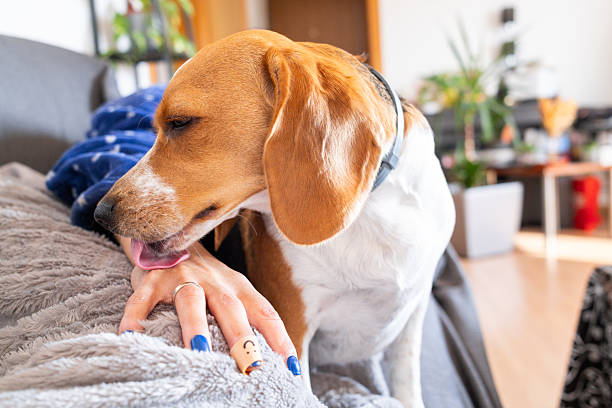
Pet lick feels sweet and natural. Science tells a very different story. A simple lick on a cut can start a deadly infection. Your pet loves you, but their mouth hides real risks.
So your dog just gave your scrape a big, sloppy kiss. Adorable, right? Well, hold on just a second. That warm, wet gesture might be doing a lot more harm than good. Science has caught up with this old myth, and the results are honestly a little scary.
Pet owners have believed for generations that a pet lick helps wounds heal faster. Some people actively encourage it. Others simply let it happen without a second thought. But researchers, doctors, and microbiologists all agree on one clear point. That loving lick on your wound could send you straight to the emergency room.
In this article, we walk through the biology of your pet’s mouth, the dangerous bacteria hiding inside it, and the real damage one lick can cause to your body. We also cover who faces the greatest risk and how you can still enjoy life with your furry companion safely.
Pet Lick: What Really Happens to Your Skin
Your skin is your body’s most important defense barrier. It keeps bacteria, viruses, and harmful organisms out of your internal systems. But the moment that barrier breaks, even from a tiny scrape or cut, that protection disappears.
A pet lick on broken skin deposits bacteria directly into your tissue. This is not a minor issue. The warm, moist environment inside a wound helps bacteria multiply rapidly. Your body immediately sends immune cells to fight the invasion. However, certain bacteria multiply faster than your defenses can respond.
Your skin has layers. The outermost layer is called the epidermis. Just below it sits the dermis, which contains blood vessels, nerves, and connective tissue. When bacteria from a pet lick reach the dermis, they can travel through blood vessels and spread throughout your entire body.
This process is called bacteremia, which means bacteria living in your bloodstream. Once bacteria reach your blood, the infection becomes significantly harder to treat. What started as a minor lick on a cut can become a systemic health emergency very quickly.
The Biology of a Pet’s Mouth
Your dog or cat carries a mouth full of microorganisms. Most of these bacteria cause no harm to animals. But to humans, especially through broken skin, several of them are genuinely dangerous.
A healthy dog’s mouth contains over 600 species of bacteria. Cats carry a similar variety. Both animals use their mouths to groom themselves, eat raw food, explore surfaces, and interact with their environment. So naturally, their mouths accumulate a wide range of microorganisms every single day.
That old saying about a dog’s mouth being cleaner than a human mouth is completely false. No scientific evidence supports it. In reality, dog and cat mouths contain specific bacteria that human mouths do not, and some of those bacteria are dangerous to people when they enter through damaged skin.
Three bacteria appear most often in serious pet-related infections. These are Pasteurella multocida, Capnocytophaga canimorsus, and Staphylococcus intermedius. Each one behaves differently inside the human body, and each one carries serious health consequences.
Pet Lick and the Bacteria You Cannot See
The bacteria in your pet’s mouth are invisible. You cannot smell them. You cannot feel them during a lick. However, they get to work fast once they enter your body through a wound.
Pasteurella multocida lives in the mouths of up to 90% of cats and around 60% of dogs. Research published on Cureus documents multiple cases where this single bacterium caused life-threatening infections in humans after a simple pet lick on a wound.
This bacterium thrives in warm, moist environments. Your wound provides exactly that. Once inside, it triggers an aggressive immune response. Your body sends white blood cells to fight it. But P. multocida spreads fast. Within hours, redness, warmth, and swelling appear around the wound. Without treatment, this progression leads to cellulitis, sepsis, and even septic shock.
Capnocytophaga canimorsus is another bacterium commonly found in dog saliva. Most healthy people who encounter it experience mild or no symptoms at all. But for people with weakened immune systems, this organism becomes extraordinarily dangerous, as we will explore in detail shortly.
Staphylococcus intermedius differs from the MRSA-causing Staphylococcus aureus, but it still causes painful skin and soft tissue infections. It spreads easily through a pet lick on broken skin or even a wound that appears to be healing.
According to The Lancet Infectious Diseases, bite-related and saliva-related infections from cats and dogs cause significant health problems worldwide. Many cases go unreported simply because people never connect their infection back to their pet.
Pasteurella multocida: The Fast-Acting Killer
Pasteurella multocida is one of the most well-documented causes of pet-related infections in humans. It acts quickly and aggressively. Doctors report that symptoms appear within 24 hours of a pet lick on an open wound in many documented cases.
A woman in her 90s developed septic shock after her Shih Tzu licked her chronic leg wounds daily. Blood cultures confirmed P. multocida as the cause. Doctors worked hard to save her life. This case, published on Cureus, serves as a clear warning to clinicians and pet owners alike.
Here is what happens biologically. P. multocida enters your wound and starts replicating rapidly. Your immune system detects foreign antigens and triggers an inflammatory response. Cytokines flood the area, causing the classic signs of infection: redness, heat, pain, and swelling.
But P. multocida is particularly skilled at avoiding certain immune defenses. It produces a capsule that resists phagocytosis, which is the process where white blood cells try to engulf and destroy bacteria. This means the bacteria can survive and keep multiplying even as your body fights hard against them.
Some strains of P. multocida also produce toxins. These toxins interfere with bone metabolism and cause bone damage when infections spread to joints or near surgical sites. Prosthetic joint infections following a pet lick near a wound have appeared in medical literature. These represent one of the most devastating complications a patient can experience after such a simple, accidental exposure.
The good news is that P. multocida responds well to antibiotics, particularly penicillin. But early detection is critical. Delayed treatment turns a manageable infection into a potentially fatal one.
Capnocytophaga canimorsus: The Deadliest Pet Lick Bacteria
Capnocytophaga canimorsus holds the reputation as one of the most dangerous bacteria in dog saliva. For most healthy people, it causes mild or no symptoms. But for vulnerable individuals, this organism can be catastrophic.
One of the most well-known documented cases involved a woman whose pet dog licked a minor wound on her skin. Within days, she developed fulminant sepsis. Doctors fought to save her life, but the infection had already caused catastrophic damage. She survived, but she lost both hands and both legs below the knees. She also endured multiple heart attacks and required spleen removal. Similar cases are documented by PMC/NIH, where asplenic patients lost limbs, fingers, or their lives after a pet lick on a small cut.
How does this happen biologically? Capnocytophaga canimorsus is a gram-negative, rod-shaped bacterium. In people without a spleen, or in those with liver disease or weakened immune function, it spreads through the bloodstream with terrifying speed.
Your spleen plays a critical role in your immune defense. It filters your blood and removes encapsulated bacteria before they can multiply. Without a spleen, your body loses one of its key defenses against organisms like Capnocytophaga. This is exactly why asplenic patients face such extreme risk from what feels like a harmless pet lick.
Additionally, Capnocytophaga triggers a process called disseminated intravascular coagulation, or DIC. In DIC, tiny blood clots form throughout your blood vessels simultaneously. These clots consume your body’s clotting factors, leading to uncontrolled bleeding across multiple systems. Skin turns dark and mottled. Organs begin to fail. Gangrene can develop in the extremities. This explains why victims often lose fingers, toes, or entire limbs after what began as a single contact with dog saliva.
The CDC recognizes Capnocytophaga as a zoonotic organism, meaning it passes from animals to humans through direct contact. Awareness is growing, but many doctors still miss it early because symptoms resemble other conditions at the start.
How the Human Immune System Responds
Understanding how your body reacts to bacterial invasion explains why some people suffer severely while others feel nothing at all. Your immune system operates through two main layers of defense. The first is innate immunity, which acts fast and broadly. The second is adaptive immunity, which targets specific pathogens with precision.
When bacteria from a pet lick enter a wound, innate immune cells arrive first. Neutrophils, macrophages, and dendritic cells rush to the site. They work to contain and destroy the bacteria through inflammation. This is why infected wounds swell, redden, and feel warm to the touch.
For most healthy adults, this response works effectively. The body neutralizes the threat and healing begins. But several factors change this outcome dramatically.
First, bacterial load matters. A single pet lick deposits thousands of bacteria directly into wound tissue. This number overwhelms local defenses quickly, especially in a deep or chronic wound that already has compromised tissue.
Second, your overall health determines how fast and how effectively your immune system responds. People with diabetes experience impaired neutrophil function. Their white blood cells move slower and kill bacteria less effectively. This allows infections to progress unchecked and reach dangerous severity before the person even notices.
Third, medications like corticosteroids, chemotherapy drugs, or immunosuppressants weaken immune responses significantly. Organ transplant recipients, cancer patients, and people on long-term steroid therapy all fall into a high-risk category for pet-related infections.
Furthermore, your gut microbiome influences your immune resilience in ways science is still uncovering. Research increasingly shows that a diverse gut microbiome supports immune function throughout the body. Poor dietary habits can harm both gut health and immunity. For a deeper look at how certain foods weaken your body’s defenses, read 7 Foods That Harm the Liver and Healthier Replacements You Can Try. Liver function plays a direct role in clearing bacterial toxins from the bloodstream, making liver health relevant to infection recovery.
Pet Lick After Surgery: A Deadly Mistake
Post-surgical wounds deserve special attention. Surgery creates a controlled wound. Surgeons close it carefully and prescribe specific wound care protocols. Yet many pet owners allow their animals near fresh surgical sites, sometimes without realizing the serious danger this creates.
One documented case involved a patient who developed a persistent knee infection after their dog licked minor toe wounds on the same leg following knee surgery. Bacteria traveled through the lymphatic system and reached the surgical site. The resulting infection required multiple additional procedures to resolve.
Another case involved a patient who allowed a puppy to lick eyelid surgery stitches. The result was a severe, life-threatening infection requiring emergency treatment. These are not rare flukes. Medical literature continues to document them regularly, and the pattern is consistent.
After surgery, your immune system is already under considerable stress. Your body directs resources toward tissue repair. Local immune defenses in the surgical area are temporarily reduced. A pet lick introduces bacteria into exactly the wrong environment at exactly the wrong time.
Beyond bacteria, pet saliva also contains proteases. These are enzymes that break down proteins. Proteases can disrupt newly formed tissue and slow the healing process at a cellular level. Therefore, even without infection, a pet lick on a healing surgical wound can physically delay recovery.
Surgeons and infectious disease specialists consistently advise patients to keep pets away from all surgical sites until full healing occurs. This single, simple step prevents a significant number of post-operative complications.
Who Is Most at Risk?
Anyone with broken skin can develop an infection from a pet lick. However, certain people face dramatically higher risks. Understanding your personal risk profile helps you take the right precautions.
People without a spleen face the highest risk from both Capnocytophaga and Pasteurella multocida. Without the spleen filtering the blood, even a small number of bacteria entering the bloodstream can cause fatal sepsis within hours.
People with diabetes experience compromised blood circulation and impaired white blood cell activity. Wounds heal more slowly, and infections spread more aggressively. A pet lick on a diabetic ulcer or foot wound can escalate into a limb-threatening emergency in days.
People with liver disease lose key immune proteins that a healthy liver produces. This weakens overall immune surveillance and increases vulnerability to zoonotic bacteria significantly. Liver disease also impairs the production of complement proteins, which help destroy bacteria in the blood.
Cancer patients and transplant recipients on immunosuppressive drugs carry suppressed immune systems. Their bodies cannot mount adequate responses to bacterial invasion, making any animal saliva exposure more dangerous.
Infants and elderly individuals carry elevated risk as well. Infant immune systems are still developing. Elderly immune systems naturally decline in effectiveness over time. Both groups need careful protection from pet saliva exposure on any broken skin.
People with chronic wounds, like venous leg ulcers or pressure sores, face a specific and serious risk. Chronic wounds already host complex bacterial communities. Adding pet saliva introduces new, aggressive species that can destabilize the wound environment and trigger systemic infection.
Real Stories That Will Shock You
The medical literature contains multiple documented cases that show just how serious these risks truly are. These are not hypothetical scenarios. These are real people who faced devastating consequences from a pet lick.
A woman in her 90s developed septic shock after her dog licked her leg wounds over several consecutive days. Blood cultures confirmed Pasteurella multocida. Her age and the chronic nature of her wounds combined to create a perfect storm for bacterial invasion. Cureus published her case as a warning specifically for clinicians and pet owners.
In another case from PMC/NIH, a young woman lost both hands and both legs below the knees after Capnocytophaga canimorsus from her dog’s saliva caused fulminant sepsis. She had no known immune deficiency before this happened. The bacterium triggered DIC, causing catastrophic clotting and widespread tissue death throughout her body.
Additionally, infants exposed to pet saliva through direct licking have developed bacterial meningitis. Meningitis causes dangerous brain inflammation and can result in permanent neurological damage or death. Pets should never lick an infant’s face or any area of open or broken skin.
People with prosthetic joints carry a unique vulnerability. When bacteria from a pet lick reach the bloodstream, they can colonize the surface of a prosthetic implant inside the body. Prosthetics lack the blood supply needed to fight localized infection. Bacteria thrive on the implant surface and grow into a biofilm. The result is often prosthetic joint infection, which requires removal of the implant, prolonged intravenous antibiotic therapy, and complex revision surgery.
These stories are not shared to create fear of your pet. Rather, they serve as informed warnings so you can take simple but effective steps to protect your health.
The Myth of Animal Saliva as a Healer
Many cultures and traditions hold the belief that animal saliva promotes wound healing. Dogs lick their own wounds instinctively. So does that mean their saliva actually helps?
For animals, the answer is partially yes and partially no. Dog saliva contains lysozyme, a natural enzyme that breaks down bacterial cell walls. It also contains a protein called nerve growth factor, which may support tissue regeneration in animals under specific conditions.
However, these properties do not translate safely to human wounds. Human skin and animal skin differ significantly in pH, microbial tolerance, and structural composition. What works on a dog’s paw does not work on a human wound.
Furthermore, the bacteria in pet saliva far outnumber any beneficial compounds. The risk of introducing dangerous organisms into a wound vastly outweighs any theoretical healing benefit. Doctors universally agree on this point, and the medical literature supports it consistently.
Licking also physically disrupts wound scabs and newly formed tissue. Even without infection, a pet lick removes the protective layer forming over a healing wound. This re-opens the wound, delays recovery, and creates a fresh entry point for bacteria.
Symptoms to Watch for After a Pet Lick
Knowing which symptoms to watch for helps you act quickly after a pet lick on a wound. Speed matters enormously with bacterial infections from pet saliva.
Watch for redness spreading beyond the wound edge. Also look for increasing warmth, swelling, and growing pain around the area. A fever above 38 degrees Celsius (100.4 degrees Fahrenheit) signals your body is fighting a systemic infection.
More alarming symptoms include red streaks spreading from the wound toward your body. These streaks follow lymphatic vessels and indicate bacteria spreading rapidly through your system. Dark, purplish, or mottled skin near the wound is a serious warning sign of tissue death.
Symptoms of sepsis include rapid heart rate, sudden confusion, dizziness, and extreme fatigue. Furthermore, Capnocytophaga infections can appear anywhere from one to 14 days after exposure. Anyone developing flu-like symptoms after a pet lick on broken skin should seek emergency medical care without delay.
The CDC advises all pet owners to seek medical care promptly if any wound shows signs of infection, particularly after animal contact of any kind.
Sleep, Stress, and Your Infection Risk
Your daily habits directly affect how well your body handles bacterial exposure. Two lifestyle factors stand out as particularly important: sleep quality and stress levels.
Sleep deprivation impairs your immune system in measurable ways. During deep sleep, your body produces cytokines, proteins that coordinate immune responses throughout the body. Chronic sleep loss reduces cytokine production and weakens your ability to fight off infections effectively. A person who regularly sleeps fewer than six hours a night faces considerably higher infection risk than someone who sleeps seven to nine hours consistently.
For a detailed look at how sleep supports your body’s defenses, visit How Sleep Affects Anxiety and Depression and How to Treat Melatonin Shortage. Quality sleep tools can also improve your sleep depth and consistency. The Philips SmartSleep Light is one example of a tool designed to support better sleep patterns. Also, understanding sleep vs. napping for productivity can help you optimize your recovery time throughout the day.
Chronic stress also suppresses immune function significantly. Cortisol, the primary stress hormone, inhibits the activity of key immune cells when levels remain elevated for extended periods. Additionally, prolonged stress increases systemic inflammation, which paradoxically makes it harder for your body to mount targeted responses to specific bacterial threats. Managing stress effectively forms a real part of your defense against infections triggered by pet lick exposure.
Nutrition and Your Immune Strength
What you eat directly affects how well your immune system performs. Nutritional deficiencies weaken your body’s ability to respond to bacterial challenges in measurable, documented ways.
Vitamin C supports immune cell production and wound healing. Zinc is essential for proper white blood cell function. Vitamin D modulates immune responses and reduces excessive inflammation. Iron deficiency slows the movement of immune cells to infected areas. Each of these nutrients plays a specific biological role in your defense against organisms introduced through a pet lick or other wound exposure.
Ultra-processed foods harm the gut microbiome, which increasingly appears to influence systemic immune function. A damaged gut microbiome produces fewer short-chain fatty acids, which normally support the integrity of the gut barrier and immune signaling throughout the body.
Additionally, hidden nutrient deficiencies can affect many systems without obvious symptoms. Understanding what your body lacks can help you make more targeted dietary improvements. The article Why You’re Short: The Hidden Nutrient Deficiency explores one compelling example of how nutritional gaps affect your entire physiology.
Prevention: Loving Your Pet Without the Risk
Keeping yourself safe does not mean rejecting your pet’s affection. It simply means placing smart boundaries around wounds, surgical sites, and broken skin.
First, always cover open wounds before interacting with your pet. Bandages and wound dressings create a physical barrier that prevents direct bacterial contact. Secondly, wash your hands thoroughly after handling pets, especially before touching any wound on your body.
Keep your pet away from all surgical sites until they fully heal. Additionally, if you manage a chronic wound, speak with your doctor about specific precautions for your situation. High-risk individuals, including those without a spleen or with diabetes, should follow strict protocols around any animal contact near wounds.
Regular veterinary care for your pet also helps reduce the overall risk. Healthy, well-cared-for animals carry lower bacterial loads in their mouths. Routine dental cleanings for dogs and cats reduce the concentration of harmful bacteria available to transfer through a lick.
Train your pet gently not to lick your skin. This is especially useful during recovery from surgery or injury. Consistent training, combined with physical barriers like bandages or protective clothing, creates a reliable safety routine that does not diminish the bond between you and your animal.
A Note on Children and Pets
Children love animals. Dogs and cats love children right back. However, children’s developing immune systems make them more vulnerable to zoonotic infections than healthy adults.
Parents need to teach children from an early age that allowing pets to lick their wounds is not safe. Children often have scrapes, cuts, and small wounds from active play. These open skin areas create frequent and unpredictable opportunities for a pet lick to introduce bacteria into the body.
Pediatric cases of P. multocida and Capnocytophaga infections appear regularly in medical literature. Parents and caregivers must supervise interactions between young children and pets carefully, particularly around any broken skin.
Infants carry the highest risk among all children. Their immune systems are still in early development. An infant should never share a sleeping space with animals in any way that allows facial licking or access to skin. The CDC includes zoonotic disease prevention in its household guidelines specifically for families with young children.
When to Seek Emergency Care
Knowing when to act makes the difference between a simple course of antibiotics and a life-threatening emergency. Do not wait to see if symptoms improve on their own after a pet lick on a wound.
Seek medical care immediately if your wound shows spreading redness, warmth, or red streaks moving toward your torso. Go to an emergency room if you develop fever, chills, rapid heartbeat, or confusion following any wound contact with pet saliva. Tell your doctor specifically that a pet licked your wound. This piece of information guides them to consider zoonotic bacteria quickly and choose appropriate treatment.
For asplenic individuals, emergency treatment at the very first sign of infection is critical. Capnocytophaga sepsis can progress from initial symptoms to death within 24 to 72 hours without aggressive antibiotic therapy.
Doctors typically prescribe amoxicillin-clavulanate for most pet-related wound infections caught early. Intravenous antibiotics become necessary for serious systemic infections. Early diagnosis and prompt treatment save lives in these situations.
The Science Is Clear on Pet Lick Dangers
Pet lick behavior comes from a place of genuine affection. Your dog or cat licks you because they love and trust you deeply. Understanding that does not change the biological reality of what their saliva contains.
Modern medicine provides clear evidence on this topic. The organisms in pet saliva, particularly P. multocida and Capnocytophaga canimorsus, cause serious and sometimes fatal infections in humans. The risk increases sharply for people with underlying health conditions. However, even healthy people can develop severe complications from a single exposure.
Loving your pet and protecting your health are not contradictory goals. They work together when you apply simple, science-backed habits consistently. Cover your wounds. Keep pets away from surgical sites. Wash your hands regularly after animal contact. Watch for infection signs after any pet contact with broken skin.
Your pet is not a danger to your life under normal circumstances. Their biology simply differs from yours in ways that matter when skin breaks open. Respecting that difference keeps both of you healthier and happier for many years to come.
Sources and External Links
- Cureus: Dog Licks Are Not Benign, Pasteurella multocida Bacteremia From Household Dog
- The Lancet Infectious Diseases: Bite-Related and Septic Syndromes Caused by Cats and Dogs
- PMC/NIH: Case Reports on Capnocytophaga and Pasteurella Infections Via Pet Lick and Licking
- CDC: Zoonotic Diseases and Pet Safety Guidelines
- Wikipedia: Wound Licking Overview and Cited Cases
- GreenDakota: 7 Foods That Harm the Liver and Healthier Replacements You Can Try
- GreenDakota: Why You’re Short, The Hidden Nutrient Deficiency
- GreenDakota: How Sleep Affects Anxiety and Depression and How to Treat Melatonin Shortage
- GreenDakota: What Is the Philips SmartSleep Light and How It Works
- GreenDakota: Sleep vs Napping for Productivity, What Works Best