
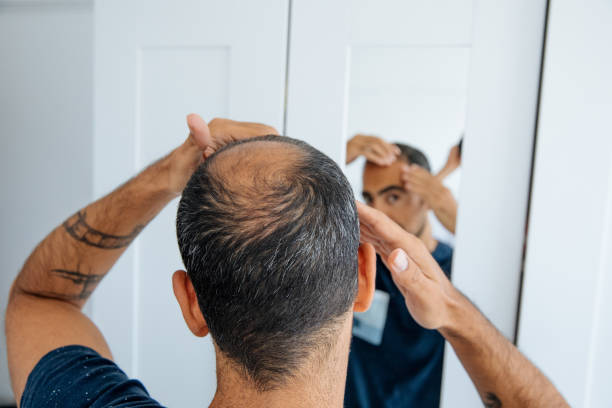
Balding sneaks up on you like a bad haircut you never asked for. Millions of people notice thinning hair every single year worldwide. Science now proves you can slow this process down significantly. Your fight back starts right here today.
What Is Balding, Really?
Let’s start from the very beginning. Balding is not just losing a few stray hairs. It is a biological process where hair follicles gradually shrink over time. Eventually, those follicles stop producing any hair at all.
Most people lose between 50 and 100 hairs daily. That is completely normal and expected. However, when hair falls out faster than it grows back, real problems begin. This imbalance is the core definition of hair loss.
There are several distinct types of hair loss. Androgenetic alopecia is by far the most common type. It affects both men and women, though it shows up very differently in each. Men typically lose hair from the crown and hairline first. Women, on the other hand, usually experience thinning spread across the top of the scalp.
According to the American Academy of Dermatology, over 80 million Americans deal with hereditary hair loss. Source: AAD Hair Loss Overview
Additionally, hair loss carries a real emotional weight that most people underestimate at first. Studies confirm it significantly impacts self-esteem, confidence, and overall quality of life. Understanding what is happening biologically, therefore, is the first step toward fighting back effectively.
The Biology Behind Balding
Your hair does not grow randomly or without structure. Each strand grows from a tiny, living structure called a hair follicle. These follicles cycle through three main phases throughout your life. First comes the anagen phase, which is active, visible growth. Then comes the catagen phase, a short transitional period of two to three weeks. Finally, the telogen phase is a resting and shedding stage before regrowth begins again.
Healthy hair spends the majority of its life in the anagen phase. This phase can last anywhere from two to seven years. Consequently, people with longer anagen phases naturally grow longer hair. People dealing with progressive balding, however, experience shorter and shorter anagen phases over time.
As the condition progresses, affected follicles physically shrink. Scientists call this process follicular miniaturization. Smaller follicles produce thinner, shorter, weaker hairs with each new cycle. Eventually, the follicle stops producing visible hair altogether.
Interestingly, the follicle itself rarely completely dies. It simply becomes dormant and inactive. This biological fact is actually very encouraging news. Some treatments can genuinely reawaken these dormant follicles. Moreover, the sooner treatment begins, the more follicles remain viable and responsive.
How DHT Makes You Lose Hair
Here is where the science gets deeply fascinating. One specific hormone drives the majority of balding cases in both men and women: DHT, or dihydrotestosterone. DHT is a potent byproduct of testosterone. An enzyme called 5-alpha reductase converts testosterone into DHT inside your body.
Once produced, DHT binds tightly to receptors inside your hair follicles. After binding, it sends a signal telling the follicle to shrink. Over time, the follicle responds by producing progressively shorter, finer hairs. This process accelerates sharply in people who carry genetic sensitivity to DHT.
Both men and women produce DHT naturally. However, men produce significantly larger amounts. This difference explains why men experience more dramatic and visible balding patterns. Women’s hair loss, by contrast, tends to spread more diffusely across the scalp rather than following a defined receding pattern.
Blocking DHT is currently one of the most clinically proven strategies available. Medications like finasteride work specifically by inhibiting the 5-alpha reductase enzyme. Less enzyme activity means less DHT, which means less follicle shrinkage over time.
Learn more: Mayo Clinic on Hair Loss
Balding and Your Genetics
Many people blame their mother’s side for their thinning hair. The truth is considerably more complicated than that popular myth. Hair loss genes actually come from both parents equally. The androgen receptor gene sits on the X chromosome, yes. However, dozens of other autosomal genes also contribute meaningfully to the overall process.
Scientists have now identified more than 280 genetic variants linked to pattern hair loss. Together, these variants determine how sensitive your individual follicles are to DHT. Furthermore, they influence how quickly the miniaturization process unfolds across your scalp. Knowing your family history, therefore, gives you an invaluable early warning sign.
Pay close attention to your scalp health if your parents or grandparents experienced early thinning. Early action consistently produces better long-term outcomes across virtually all treatment types. Additionally, starting treatment before significant visible loss occurs preserves many more viable follicles for the long term.
Genetics does not mean your fate is sealed, though. Even people with strong family histories of balding can slow the process substantially. The key ingredients are awareness, early action, and absolute consistency with your chosen approach. Research has confirmed this point repeatedly across multiple large studies.
The Role of Stress in Hair Loss
Stress is one of the sneakiest and most underappreciated drivers of accelerated hair loss. It does not cause balding overnight, but it absolutely speeds up the underlying process. Chronic stress triggers a specific condition called telogen effluvium. During telogen effluvium, large numbers of follicles prematurely shift into the resting and shedding phase simultaneously.
Cortisol, your body’s primary stress hormone, plays a central biological role here. Elevated cortisol levels directly disrupt the normal hair growth cycle at the follicle level. Moreover, high cortisol reduces blood flow to the scalp significantly. Less blood flow means less oxygen and fewer nutrients reaching your follicles every day.
The stress-hair loss connection can also create a cruel and frustrating cycle. You notice more hair thinning, which naturally causes more anxiety and stress. More stress then directly causes more hair to shed prematurely. Breaking this cycle requires deliberate, consistent effort over time.
Regular aerobic exercise helps lower cortisol levels powerfully and reliably. Mindfulness meditation and deep breathing practices also reduce circadian cortisol peaks. Prioritizing consistent, quality sleep further supports your body’s cortisol regulation mechanisms. Each of these habits builds on the others to create meaningful cumulative protection.
Read more: How Sleep Affects Anxiety and Depression
Foods That Fight Hair Loss
Your daily diet directly impacts the biological health of every hair follicle on your scalp. Hair follicles rank among the most metabolically active cell structures in your entire body. They require a constant, steady supply of protein, vitamins, and minerals to function at their best. Nutritional gaps quickly translate into visible hair changes.
Protein stands out as particularly critical among all nutrients. Hair strands consist almost entirely of a structural protein called keratin. Without adequate dietary protein intake, your body prioritizes vital organs over hair follicle activity. Consequently, hair growth slows or temporarily stops during periods of low protein intake.
Iron deficiency is another major, chronically overlooked cause of hair loss in adults. Low iron levels reduce oxygen delivery to follicle cells significantly. Studies consistently link iron deficiency anemia to increased shedding, particularly in women. Smart dietary sources include lean red meat, lentils, spinach, tofu, and iron-fortified cereals.
Zinc supports follicle cell repair and helps regulate key hormones involved in hair cycling. Additionally, vitamin D activates specific receptors inside hair follicle cells. Omega-3 fatty acids reduce scalp inflammation and nourish follicle cell membranes at a structural level. Biotin supports keratin production, though its benefits appear most significant in people with confirmed deficiencies.
The Mediterranean dietary pattern covers most of these nutritional bases simultaneously. It emphasizes vegetables, fruits, whole grains, lean proteins, legumes, and healthy fats. Research links this pattern to meaningfully slower rates of hair thinning and loss. Adopting it is genuinely one of the most sustainable, evidence-backed long-term strategies available.
Related: 7 Foods That Harm the Liver and Healthier Replacements
Ultra-processed foods work directly against your scalp and follicle health. They promote systemic inflammation throughout the body from the inside out. Chronic low-grade inflammation in the scalp specifically damages follicle tissue structures over time. Therefore, cutting back on processed junk food protects both your brain and your hair simultaneously.
Also see: Why You Are Short: The Hidden Nutrient Deficiency
Balding Solutions That Actually Work
Let’s talk about real, clinically proven solutions to hair loss. Not every product on the shelves actually delivers meaningful results. However, some treatments carry strong, replicable clinical evidence behind them. Knowing the difference between hype and evidence saves you both money and frustration.
Two treatments stand clearly above all others in terms of evidence quality. These are minoxidil and finasteride. Both carry regulatory approval from major health authorities worldwide. Both show consistent, reproducible results across large groups of study participants over many years.
Beyond these two core options, additional supportive treatments exist for people needing extra help. Low-level laser therapy (LLLT) shows a growing and credible body of clinical support. Platelet-rich plasma (PRP) therapy shows encouraging promise in clinic-based settings. Combination approaches consistently outperform single treatments in head-to-head study comparisons.
The single most important factor, however, is starting early. Early intervention preserves follicles that progressive balding would otherwise permanently miniaturize. Waiting too long reduces the maximum achievable benefit from any available treatment. Acting decisively early is the biggest biological advantage you can give your own hair.
Cleveland Clinic: Hair Loss Prevention Guidance
Minoxidil: The Most Popular Balding Treatment
Minoxidil works primarily by increasing blood flow to the scalp and follicle tissue. Better blood flow delivers more oxygen and nutrients to struggling, miniaturizing follicles. This improved blood supply also prolongs the anagen growth phase of the hair cycle. Over months of use, follicles begin producing progressively thicker, longer hairs again.
Originally developed as an oral medication for high blood pressure, researchers noticed something remarkable. Patients taking it consistently began growing noticeably more hair on their scalps. Scientists quickly developed a targeted topical version specifically for scalp use. Today, topical minoxidil is the most widely used hair loss treatment globally.
You can purchase topical minoxidil without a prescription in most countries worldwide. It comes in both liquid dropper and foam applicator forms. Men typically apply a 5% concentration twice daily. Women generally use a lower concentration formula applied once daily.
Results take real time and patience to appear. Most people notice meaningful visible improvement only after six full months of consistent use. Furthermore, you must continue using minoxidil indefinitely after that. Stopping the treatment reverses its benefits within a few months of discontinuation. Long-term commitment is truly non-negotiable with this approach.
Side effects are generally mild and manageable for most users. Some people experience minor scalp irritation or a temporary increase in shedding during the first few weeks. This early increased shedding is actually a positive sign that the treatment is working. It reflects follicles transitioning simultaneously into a fresh new growth phase.
Oral minoxidil, taken as a low-dose daily pill, is now growing in clinical popularity. Doctors prescribe it off-label for patients who prefer pills over topical application. Early and growing clinical data looks genuinely promising for this newer delivery approach.
Finasteride: The Science of Blocking DHT
Finasteride tackles the biological root cause of most balding cases head-on. It blocks the 5-alpha reductase enzyme that converts testosterone into DHT. Less DHT circulating in your scalp directly means less follicle shrinkage happening over time. This mechanism makes it uniquely powerful among all available treatments.
Clinical trials consistently show that finasteride stops progressive balding in approximately 90% of male users. It promotes visible, measurable regrowth in roughly two-thirds of people who use it consistently. These numbers represent genuinely impressive outcomes compared to nearly every alternative treatment on the market.
Finasteride requires a doctor’s prescription in all markets. You take it as a simple daily oral tablet. Like minoxidil, it requires consistent long-term use to maintain its benefits. Stopping finasteride allows DHT levels to rebound quickly. Consequently, hair loss typically resumes within months of stopping the medication.
Potential side effects deserve an open, honest conversation with your doctor before starting. A small percentage of men report changes in libido or sexual function during use. Importantly, these effects reverse in the vast majority of cases after stopping the medication. Your doctor can help you thoughtfully weigh the specific risks and benefits for your situation.
Women should not take standard-dose finasteride, particularly during pregnancy or childbearing years. However, a closely related drug called dutasteride works via a similar mechanism. It shows promise for women experiencing pattern hair loss in some emerging clinical studies. A dermatologist can provide personalized guidance on this specific question.
Source: PMC Review on Hair Loss Treatments
Gentle Hair Habits That Help
Medical treatments always work best alongside thoughtful daily hair care habits. Small, consistent changes in how you handle your hair each day make a real cumulative difference. Furthermore, these habits prevent mechanical breakage and damage that accelerates the visible appearance of thinning.
Start with the hairstyles you choose every day. Tight ponytails, braids, buns, and cornrows pull constantly on the hair root with repetitive tension. Over time, this sustained mechanical stress causes a specific type of hair loss called traction alopecia. Choosing looser, gentler styles significantly reduces this ongoing mechanical damage to your roots.
Heat styling from flat irons and curling wands weakens the hair shaft and its attachment at the root. Regular high-heat exposure makes hair substantially more prone to mid-shaft and root breakage. Using a quality heat protectant product before styling reduces the thermal damage noticeably. Air drying your hair whenever possible remains consistently the gentlest option of all.
Chemical treatments present another widespread source of cumulative hair damage. Bleaching, perming, and chemical relaxing processes all weaken hair’s structural protein architecture significantly. Spacing these treatments further apart gives your hair recovery time between sessions. Deep conditioning treatments used between chemical sessions help rebuild some of the lost structural integrity.
Switch to a wide-tooth comb for detangling wet hair going forward. It applies far less mechanical shear force to vulnerable wet hair than a fine-tooth comb or brush. Similarly, sleeping on a silk or satin pillowcase reduces overnight friction damage to hair strands. These small practical switches compound into significantly less daily breakage over several months.
Scalp massage also deserves dedicated attention here. Research suggests consistent daily scalp massage measurably increases hair shaft diameter over time. The mechanical stimulation from massage stretches dermal papilla cells located at the base of each follicle. This stretching may signal follicles to remain in or re-enter the active growth phase.
The Sleep Connection to Balding
Sleep deprivation causes considerably more biological damage to your hair than most people recognize. During deep, restorative sleep, your body releases significant amounts of human growth hormone. This hormone plays a direct role in cellular repair and regeneration throughout the body, including hair follicle cells specifically.
Poor sleep also significantly elevates cortisol levels, which as covered earlier, directly harms follicle health. Chronic short sleep creates a persistent hormonal environment that actively promotes accelerated hair thinning. This compounding hormonal damage adds up substantially over weeks and months.
Melatonin, the hormone that regulates your natural sleep-wake cycle, also directly influences hair growth biology. Hair follicles contain melatonin receptors within their structure. Some emerging research suggests topical melatonin formulations can measurably slow balding in specific cases by acting directly on these receptors.
Consistently achieving seven to nine hours of quality sleep every night supports full hormonal balance. This balance includes testosterone, cortisol, growth hormone, and melatonin working in proper coordination. Together, these hormones create the optimal internal biological environment for sustained, healthy hair growth.
Related: Sleep vs. Napping for Productivity: What Works Best
Also see: What Is the Philips SmartSleep Light and How It Works
When to See a Doctor About Balding
Not all hair loss follows a predictable, typical pattern of gradual progression. Sudden, dramatic shedding can signal an underlying medical condition requiring specific treatment. Thyroid disorders, autoimmune diseases, and anemia all cause significant secondary hair loss. These medical causes require entirely different treatment approaches than standard pattern balding.
Patchy hair loss is another important red flag worth taking seriously. Alopecia areata is an autoimmune condition where the immune system mistakenly attacks healthy follicles. It creates smooth, round bald patches anywhere on the scalp or body. Thankfully, treatments like corticosteroid injections into the affected area often restore hair growth reliably.
See a board-certified dermatologist promptly if your hair loss feels sudden, unusually rapid, or patchy. Early professional evaluation identifies the exact biological cause quickly and accurately. Furthermore, ruling out underlying medical causes prevents you from spending time and money on the wrong treatments entirely.
A dermatologist can perform scalp biopsy, targeted blood panels, and dermoscopy examination. These diagnostic tools accurately identify the specific type and root cause of your hair loss. With a precise diagnosis in hand, building a truly effective, personalized treatment plan becomes much more straightforward and focused.
Low-Level Laser Therapy: A Growing Option
Low-level laser therapy, or LLLT, uses specific red light wavelengths to biologically stimulate hair follicles. The light energy absorbed by follicle cells increases cellular metabolism and mitochondrial activity. Additionally, it improves local scalp blood flow in a manner somewhat similar to minoxidil’s mechanism.
The FDA has cleared multiple LLLT devices specifically for hair loss treatment in both men and women. These devices include laser combs, helmets, and soft caps worn over the scalp. Users apply them at home during regular sessions, typically three to four times per week. Each session usually lasts between 15 and 30 minutes.
Results from LLLT are generally more modest compared to those from minoxidil or finasteride monotherapy. However, it contributes meaningfully as part of a comprehensive combination approach. Many dermatologists now recommend adding LLLT alongside proven medication-based treatments for synergistically stronger results.
Side effects from LLLT are minimal to nonexistent for nearly all users. The technology is entirely non-invasive, comfortable, and painless during sessions. It shows the strongest results for people in early-to-moderate stages of hair thinning. Starting it before loss becomes severe always yields the most clinically meaningful improvements.
Platelet-Rich Plasma Therapy
PRP therapy takes a fascinating biological approach to treating hair loss. A doctor first draws a small sample of your own blood. Then they spin it at high speed in a centrifuge to concentrate the platelet component. Finally, they inject this concentrated platelet-rich solution directly into targeted areas of your scalp.
Platelets contain potent growth factors including PDGF, VEGF, and EGF. These growth factors stimulate follicle cell activity and accelerate tissue healing locally. The approach essentially recruits your own body’s natural repair mechanisms and redirects them to your scalp.
Clinical results from PRP vary between individuals, but the overall data looks genuinely encouraging. Multiple published studies show improved hair density and increased shaft thickness after a series of PRP sessions. Additionally, combining PRP with topical minoxidil produces even stronger combined outcomes in comparative studies.
PRP typically requires multiple sessions spread over several months to achieve visible results. Insurance rarely covers it since providers classify it as a cosmetic procedure. However, for people seeking a non-pharmaceutical biological option, PRP represents a genuinely promising and increasingly accessible choice.
Source: PMC Study on PRP for Hair Loss
Scalp Health: The Foundation of Growth
A healthy scalp is the literal biological foundation of healthy, thriving hair. Many people focus entirely on hair shaft products while ignoring their scalp’s condition entirely. Your follicles live embedded within your scalp tissue, however. Their immediate environment directly determines their biological health and productivity.
Dandruff and seborrheic dermatitis both cause chronic low-grade scalp inflammation. Persistent inflammation, as discussed earlier, damages follicle tissue over extended periods of time. Proactively treating these conditions creates a significantly better growth environment for your follicles.
Look for therapeutic shampoos containing ketoconazole, zinc pyrithione, or selenium sulfide. These active ingredients control the fungal overgrowth underlying most dandruff and seborrheic dermatitis cases. Regular use reduces scalp inflammation and, in some published studies, visibly improves hair density over time.
Maintaining a clean scalp removes excess sebum and accumulated product buildup regularly. These substances can physically obstruct follicle openings and impair normal growth function. However, overwashing strips the scalp of the natural oils that protect both scalp skin and hair shafts. Washing hair three to four times per week represents a reasonable balance for most scalp types.
The Emotional Side of Balding
Hair loss affects much more than a person’s physical appearance. Many people connect their identity and self-image deeply to their hair. Consequently, visible, progressive balding often triggers genuine anxiety, depression, and gradual social withdrawal.
Research confirms that hair loss significantly and negatively impacts quality of life and self-esteem measures. This holds true for both men and women across all age groups. Women, however, often report greater levels of emotional distress compared to men with equivalent levels of loss.
Seeking professional support from a therapist or counselor is a genuinely smart choice for many people navigating hair loss. Connecting with others who share similar experiences also reduces feelings of isolation meaningfully. Online support communities and local groups offer both emotional comfort and practical, experience-based strategies.
Starting treatment helps both physically and emotionally simultaneously. Successfully slowing or even partially reversing visible hair loss restores meaningful confidence in most people who experience it. Furthermore, taking proactive, informed steps creates an important sense of control over an otherwise deeply frustrating biological process.
Consistency: The Real Secret to Beating Balding
No treatment for balding produces results overnight or even within a few weeks. Every clinically effective option requires months of absolutely consistent use before visible changes appear. This patience requirement is the part most people genuinely struggle with the most when starting out.
Minoxidil needs at minimum six full months before you can meaningfully evaluate its effectiveness. Finasteride takes a comparable timeframe to show its full initial benefit. LLLT devices require regular scheduled sessions across many months of commitment. Patience and persistence separate people who achieve lasting results from those who give up prematurely.
Building your chosen treatments directly into existing daily routines removes the mental burden of remembering. Apply topical minoxidil while you brush your teeth in the morning. Take your finasteride tablet at the exact same time each day. Schedule your LLLT sessions on recurring calendar reminders each week. Habits born from routine stick far better than intentions born from motivation alone.
Tracking your progress consistently with photographs helps enormously over time. Take standardized pictures under the same lighting conditions every four to eight weeks. This objective visual record reveals changes that are genuinely easy to miss in daily mirror checks. Progress often feels invisible at first, but carefully taken photos frequently reveal meaningful, real improvement accumulating over time.
Final Thoughts
Balding is not a personal failure or a defeat you simply have to accept. It is a biological process with real, evidence-based tools available to fight back against it. The smartest approach combines smart daily nutrition, clinically proven medications, quality sleep, consistent stress management, and gentle hair handling habits.
Start as early as you possibly can, stay absolutely consistent with your chosen plan, and work closely with a dermatologist who genuinely understands your specific situation. Remember clearly that meaningful results always take time to appear. Trust the biological process, track your objective progress, and genuinely celebrate small wins along the way.
Your hair is worth fighting for with everything science currently offers. With the right personalized approach applied consistently, most people can significantly slow progressive balding and retain considerably more hair than they might currently expect.
Sources and External Links
- American Academy of Dermatology: Hair Loss Overview
- Mayo Clinic: Hair Loss Diagnosis and Treatment
- Cleveland Clinic: Hair Loss Prevention Guidance
- PMC Review on Hair Loss Treatments: https://www.ncbi.nlm.nih.gov/pmc/articles/PMC6691938/
- PMC Study on PRP for Hair Loss: https://www.ncbi.nlm.nih.gov/pmc/articles/PMC4828511/
- GreenDakota: 7 Foods That Harm the Liver
- GreenDakota: Sleep vs. Napping for Productivity
- GreenDakota: Philips SmartSleep Light and How It Works
- GreenDakota: How Sleep Affects Anxiety and Depression
- GreenDakota: Why You Are Short: Hidden Nutrient Deficiency