

Snacking feels completely innocent. You grab a chip here, a biscuit there. But science now shows this habit quietly wrecks your metabolism. The real danger is closer than most people think.
You reach for a handful of nuts at 10 AM. Then a cookie after lunch. Then some crackers while watching TV. Each snack feels small and harmless. Together, however, they form a pattern your body quietly struggles with every single day. Surprisingly, snacking is one of the most overlooked habits linked to serious metabolic problems. So let us talk about it honestly, clearly, and without the confusing science jargon.
Snacking and Your Body: What Really Happens Inside
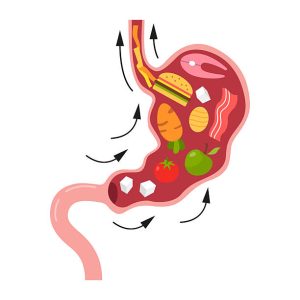
Every time you eat something, your body responds immediately. Your pancreas, a small but powerful organ sitting behind your stomach, releases a hormone called insulin. Insulin’s job is to move sugar from your blood into your cells. This process keeps your blood sugar at a safe level. Furthermore, it provides your cells with the energy they need to function.
Normally, this system works beautifully when you eat full meals. Insulin spikes during your meal and then drops in the hours afterward. Consequently, your body gets quiet windows of low insulin between meals. During those windows, it burns stored fat for energy. It also performs cellular repair work and reduces internal inflammation. These are vital biological processes your body simply cannot do when insulin stays high.
Constant snacking, however, removes those windows completely. Every bite, no matter how small, tells your pancreas to release more insulin. So instead of insulin dropping naturally between meals, it stays elevated for most of the day. Over time, this persistent elevation causes a serious problem. Your cells gradually stop responding to insulin’s signals. This is the beginning of what doctors call insulin resistance.
Biology Breakdown
Think of insulin like a doorbell and your cells as houses. At first, cells answer quickly when the bell rings. But when that doorbell rings every 30 minutes without stopping, the people inside start ignoring it. Eventually, they stop opening the door altogether. That ignored doorbell is exactly what insulin resistance looks and feels like inside your body.
The Insulin Problem Nobody Talks About
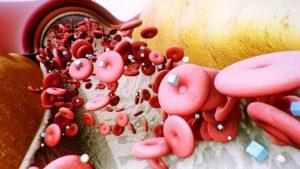
Most health conversations focus on sugar, fat, or calories. Very few people talk about insulin timing. Yet this factor may be just as important as what you actually eat. Dr. Eric Berg, a well-known educator on keto and fasting, describes frequent eating as one of the most overlooked metabolic disruptors in modern life. His point connects directly to what the science shows.
Research published in the New England Journal of Medicine found that time-restricted eating significantly improves insulin sensitivity. Read the NEJM study here
When insulin stays elevated, your body literally cannot access its fat stores. Fat burning requires low insulin levels. Additionally, high insulin blocks autophagy, the natural cellular cleanup process your body runs between meals. Autophagy breaks down old, damaged, or dysfunctional cells. It keeps your body running efficiently at a microscopic level. Without it, cellular waste builds up over time. This creates inflammation throughout the body, which is the root cause of many chronic diseases.
Interestingly, standard blood tests often check blood glucose levels but not fasting insulin. This is an important gap. By the time blood glucose becomes abnormal, insulin resistance may already be significantly advanced. Early testing for fasting insulin gives a much clearer and earlier picture of your metabolic health.
How Snacking Messes With Your Metabolism
Your metabolism is not simply about how fast you burn calories. It is an incredibly complex web of hormones, enzymes, organs, and chemical signals all working together. When you eat constantly, you continuously flood this entire system. Your liver, pancreas, gut, and fat cells all work overtime. Over many months and years, this relentless pressure causes metabolic dysfunction.
One of the clearest effects is on fat burning. Your body always uses glucose first when it is available. So when you keep adding glucose through frequent snacking, your fat stores stay locked up. Your body has no need to burn fat because glucose is always available. This is frustrating for anyone trying to lose weight. Moreover, excess glucose that cannot enter cells gets converted into fat stored in the liver. This is how fatty liver disease develops, and it is far more common than most people realize.
A study published in JAMA Internal Medicine found that eating within a shorter daily window reduced fat mass and improved metabolic blood markers in participants. Read the JAMA Internal Medicine study here
Beyond fat, constant eating also puts stress on your gut. Your digestive system needs rest between meals. The migrating motor complex, a wave of muscular activity in your gut, only activates when you are not eating. This wave cleans debris out of your intestines and keeps your gut microbiome balanced. So every time you snack, you reset that process. As a result, snacking can contribute to bloating, digestive discomfort, and microbiome imbalance over time.
Your Brain on Constant Eating
Eating does not just affect your body. It directly affects your brain as well. Each time you eat, your brain releases a small burst of dopamine. Dopamine is the same chemical involved in pleasure, reward, and habit formation. Because of this, frequent snacking trains your brain to crave food even when you are not genuinely hungry.
Over time, this creates a frustrating feedback loop. You snack because you want dopamine. Then your brain wants more dopamine, so you snack again. Before long, the habit becomes automatic and almost unconscious. This is strikingly similar to how other compulsive behaviors develop. The food industry understands this deeply. Ultra-processed snacks are specifically engineered to trigger this dopamine reward cycle repeatedly.
Additionally, frequent blood sugar spikes from snacking affect brain performance directly. After a high-sugar snack, blood glucose rises sharply and then crashes. That crash causes brain fog, low energy, poor concentration, and irritability. Research from the National Institutes of Health confirms that blood sugar variability negatively affects memory and cognitive function. See the NIH research on blood sugar and the brain
Furthermore, chronically elevated blood sugar is linked to hippocampal shrinkage. The hippocampus is the region of your brain responsible for memory and learning. Protecting it from repeated sugar spikes is a real, measurable brain health priority. This is not about occasional treats. It is about the daily pattern of constant eating throughout the day.
Snacking and the Risk of Chronic Disease

Chronic diseases rarely appear suddenly. Instead, they build slowly and silently over many years. Constant snacking is one of the habits that feeds that slow build. The connection runs through insulin resistance, which is the underlying driver of an enormous number of serious conditions.
Dr. Berg links persistent insulin elevation to type 2 diabetes, heart disease, fatty liver disease, polycystic ovary syndrome (PCOS), and widespread inflammation. Moreover, growing research connects chronic metabolic dysfunction to higher cancer risk. The relationship is complex and not fully understood yet. However, inflammation and insulin resistance create an environment in the body where abnormal cell growth becomes easier.
Type 2 diabetes, for example, develops through exactly this process. Insulin resistance builds quietly for years. Your pancreas compensates by producing more and more insulin. Eventually, the beta cells in your pancreas become exhausted and can no longer keep up. At that point, blood sugar rises uncontrollably. That is when a diabetes diagnosis typically happens. However, the damage was already building long before the diagnosis arrived.
Heart disease is similarly connected. High insulin levels promote arterial inflammation. They also encourage the liver to produce more LDL cholesterol particles and triglycerides. Both of these increase cardiovascular risk significantly. So the connection between frequent eating and heart health is real, even if it is rarely discussed in simple terms.
The Biology Behind Insulin Resistance
Let us go deeper into the biology for a moment. Your pancreas sits behind your stomach and contains specialized clusters of cells called the islets of Langerhans. Within these clusters, beta cells produce and release insulin. Alpha cells, meanwhile, produce glucagon, which raises blood sugar when it drops too low. These two hormones work in balance to keep blood glucose in a healthy range.
When you eat, glucose enters your bloodstream from digested carbohydrates. Your beta cells detect this rise and release insulin proportionally. Insulin then travels through your blood and binds to receptors on the surface of muscle, fat, and liver cells. This binding works like a key turning a lock. The lock opens, glucose enters the cell, and blood sugar drops back to normal. This system is elegant, efficient, and powerful.
Persistent high insulin, however, begins to wear this system down. Your cells respond by reducing the number and sensitivity of their insulin receptors. This is a protective adaptation. Your cells are essentially trying to reduce the constant stimulation. But the consequence is that more insulin is now needed to do the same job. Your pancreas compensates by producing even more insulin. This escalating cycle is the core mechanism of insulin resistance.
Additionally, your liver plays a critical role here. Normally, insulin tells the liver to stop releasing glucose into the blood after a meal. However, during insulin resistance, the liver ignores this signal. It continues releasing glucose even when blood levels are already high. This makes blood sugar management even harder. Together, these mechanisms explain why insulin resistance is so damaging to long-term health.
NIH resource on insulin resistance and metabolic syndrome
What Happens When You Stop Snacking Between Meals
Here is the genuinely good news. Your body is remarkably adaptable and resilient. When you create real gaps between meals, several powerful things happen quite quickly. First, insulin levels drop significantly in the hours after a meal ends. This signals your body to shift its fuel source from glucose to stored fat. Second, autophagy activates. Your cells begin clearing out damaged proteins and cellular debris. Third, growth hormone releases in small pulses, supporting muscle repair and metabolic function.
Moreover, your hunger hormones reset over days and weeks. Ghrelin, the hormone that signals hunger, begins following a more natural daily rhythm. Instead of constant low-level hunger, you experience genuine hunger at mealtimes followed by genuine fullness. Leptin, the hormone that signals satiety, becomes more effective again. Together, these hormones help you eat less without feeling deprived.
Many people also report improved mental clarity once they reduce snacking. The reason connects directly to stable blood sugar. Without constant glucose spikes and crashes, your brain receives a steadier fuel supply. Focus improves. Energy becomes more consistent. Mood stabilizes. These effects are not just anecdotal. They reflect the biological reality of better blood sugar regulation across the day.
Research on intermittent fasting consistently shows improvements in insulin sensitivity, body weight, blood pressure, cholesterol profiles, and inflammatory markers. Read the NIH intermittent fasting research
Foods That Make Snacking Even More Dangerous
Not every snack creates the same level of metabolic disruption. Context matters greatly. However, certain types of food make the problem dramatically worse. Ultra-processed snacks sit at the top of this list. These include packaged chips, flavored crackers, candy bars, sugary drinks, sweetened yogurts, and commercial pastries. They are specifically designed to be hyper-palatable, meaning they are engineered to make you want more with each bite.
Furthermore, ultra-processed foods digest rapidly. They spike blood sugar sharply and then cause it to crash just as fast. This cycle leaves you feeling hungry again within an hour or two. Additionally, these foods are almost entirely lacking in fiber, protein, and healthy fats. These three nutrients slow digestion, support stable blood sugar, and promote genuine satiety. Without them, you are stuck in a loop of eating, crashing, and eating again.
Refined carbohydrates deserve specific attention. White bread, white rice, sweetened cereals, and similar foods break down into glucose extremely quickly. They provide a large glucose load with little nutritional value. As a result, your insulin response is disproportionate to the actual caloric intake. Over time, these repeated large insulin spikes accelerate the development of insulin resistance far faster than whole food meals would.
It is also worth noting that these foods affect your liver directly. The liver processes fructose, a type of sugar found in many processed snacks, differently from glucose. Excess fructose gets converted almost entirely into fat within the liver. This is a direct pathway to non-alcoholic fatty liver disease. You can learn more about how certain foods directly harm the liver here: 7 Foods That Harm the Liver and Healthier Replacements
Interestingly, nutrient deficiencies can also increase cravings and contribute to poor snacking habits. When your body lacks key vitamins and minerals, it sends hunger signals in an attempt to get what it needs. So your diet quality and your snacking patterns are deeply connected. Learn more about hidden nutrient deficiencies that affect body function here: The Hidden Nutrient Deficiency You May Not Know About
How to Break the Snacking Habit
Breaking this cycle takes intention. Fortunately, it does not require dramatic willpower. Start with the foundation: build genuinely satisfying meals. A meal that contains adequate protein, healthy fats, and fiber keeps you full for four to six hours comfortably. When your meals are truly satisfying, the urge to snack between them naturally decreases.
Protein is particularly powerful here. It stimulates the release of satiety hormones like PYY and GLP-1 more than carbohydrates or fat do. Additionally, protein slows stomach emptying, which means you feel full for longer after eating it. Aim for a palm-sized portion of protein at each meal. Good sources include eggs, chicken, fish, legumes, Greek yogurt, and lean meats.
Next, pay attention to emotional eating triggers. Many people snack primarily out of boredom, stress, or habit rather than genuine physical hunger. Identifying your personal triggers is a powerful first step. For example, if you always reach for snacks while watching TV, try replacing that habit with something else for your hands, like stretching or holding a warm drink. Small behavioral swaps break the automatic loop surprisingly effectively.
Staying well-hydrated also reduces false hunger signals noticeably. Your body sometimes interprets mild dehydration as hunger. So before reaching for a snack, try drinking a full glass of water and waiting ten minutes. Many times, the urge passes on its own. Additionally, black coffee and unsweetened herbal teas support appetite regulation during fasting windows without raising insulin.
Gradually extending the gap between your meals is another practical approach. You do not need to jump straight into a 16-hour fast on your first try. Instead, start with a simple 12-hour overnight window. Finish dinner by 8 PM and eat breakfast at 8 AM. This small shift already reduces your daily insulin exposure significantly. Over time, you can extend this window further as your body adapts and your hunger hormones recalibrate.
Smart Eating Habits That Actually Work
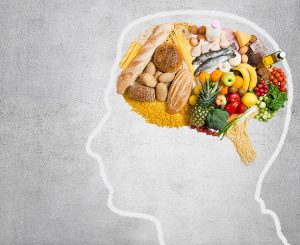
Simple, consistent habits make the biggest long-term difference. Whole foods should form the majority of what you eat. Vegetables, lean proteins, legumes, whole grains, nuts, seeds, and healthy fats all support stable blood sugar and reduce cravings naturally. These foods are not just nutritionally dense. They also take longer to digest, which means you feel satisfied for longer after every meal.
Meal planning is one of the most underrated tools available. When you have a clear plan for what you are eating and when, hunger without a plan becomes much less dangerous. Impulse eating happens most often when you are hungry and unprepared. Planning removes that moment of vulnerability almost entirely. Even a rough plan for the week saves many poor food decisions.
Sleep quality also plays a huge role in snacking behavior and food choices. Poor sleep raises levels of ghrelin, the hunger hormone, and lowers leptin, the fullness hormone. The result is that you wake up hungrier and feel less satisfied after eating. Research consistently links chronic sleep deprivation to higher calorie intake, stronger sugar cravings, and more frequent snacking throughout the day. You can read more about the powerful connection between sleep, mood, and appetite here: How Sleep Affects Anxiety and Depression
Additionally, improving your sleep quality directly supports better metabolic health. Certain sleep tools and strategies can help significantly. For example, light-based sleep therapy has become increasingly popular for improving sleep onset and duration. Learn more about one such tool here: What Is the Philips SmartSleep Light and How It Works
Furthermore, the ongoing debate about sleep versus napping for productivity is worth exploring if you struggle with daytime fatigue, which often drives unnecessary snacking. You can explore that topic here: Sleep vs Napping for Productivity: What Works Best
Managing stress rounds out the picture importantly. Cortisol, your primary stress hormone, increases appetite and specifically drives cravings for high-sugar, high-fat foods. Chronically elevated cortisol creates a biological pull toward exactly the kinds of snacks that cause the most metabolic damage. Regular physical movement, time outdoors, quality sleep, and mindfulness practices all help keep cortisol at a healthier baseline level.
When Is Snacking Actually Okay?
To be completely fair, snacking is not automatically harmful in every single situation. Context matters enormously. Athletes with very high energy demands often need frequent fueling to support performance and recovery. Pregnant individuals also have higher caloric needs spread across the day. People with certain medical conditions, such as hypoglycemia or specific metabolic disorders, may genuinely need to eat more frequently to maintain safe blood sugar levels.
The real problem is not a single apple between meals. Rather, it is the modern pattern of constant, mindless, processed-food eating that never gives your body a break. So the goal is not rigid perfection. Instead, it is conscious awareness. Ask yourself whether you are eating because you are truly hungry or because you are bored, stressed, or simply following a habit. That question alone can change a lot.
When you do snack, choose whole foods. A small handful of nuts, a piece of fruit with nut butter, a boiled egg, or some vegetable sticks with hummus all provide real nutrients without the massive insulin spikes that ultra-processed options create. Additionally, try to keep snacking to genuinely hungry moments rather than fixed-time habits.
Snacking: The Bigger Picture You Need to See
Zooming out, snacking fits into a broader story about how modern life disrupts ancient biology. Your body evolved over hundreds of thousands of years in an environment where food was not always available. Periods of fasting were normal and expected. Your cells, hormones, and organs are all built around the assumption that gaps between eating will happen regularly. They actually depend on those gaps to function properly.
Modern food environments, however, have made constant eating incredibly easy and socially normal. Snack culture is everywhere. Vending machines, convenience stores, desk drawers, office kitchens, and social gatherings are all filled with easy options. Additionally, food marketing actively encourages eating at every moment. The result is a mismatch between ancient biology and modern behavior, and your metabolism is paying the price.
Understanding this bigger picture is genuinely empowering. You are not broken or lacking willpower if snacking has become a habit. You are simply responding to an environment specifically designed to encourage it. Knowing that, you can make more intentional choices. You can structure your day to support your biology rather than fight it constantly.
Putting It All Together: Simple Steps to Start Today
Starting small is always more effective than dramatic overnight changes. Begin by adding more protein and fiber to your main meals this week. Notice how much longer you stay full. Then try extending your morning fast by just 30 minutes. Drink water or black coffee instead of eating immediately upon waking. These tiny shifts create real biological changes over time.
Next, audit your snacking habits honestly. Write down every time you eat something between meals for three days. Look for patterns. Are you snacking at the same time each day? After stress? Out of boredom? That awareness alone is a powerful starting point for meaningful change.
Then focus on sleep. Better sleep genuinely reduces next-day cravings and snacking impulses more than most people realize. Even one extra hour of quality sleep can noticeably change your hunger levels and food choices the following day. Treat sleep as a metabolic tool, not just rest.
Finally, be patient with yourself. Changing eating patterns takes time because they involve hormones, brain chemistry, gut bacteria, and deeply ingrained behavioral habits. Progress happens in weeks and months, not hours. Each meal where you give your body a genuine break is a step toward better metabolic health, and that genuinely adds up.
Snacking quietly shapes your health in ways most people never connect. The biology is clear. The hormonal pathways are real. And the good news is that your body can reset remarkably well when you give it the space to do so. Start where you are, make one change at a time, and trust the process your biology was designed for all along.
Sources and Further Reading
- New England Journal of Medicine: Intermittent Fasting and Metabolic Health
- JAMA Internal Medicine: Time-Restricted Eating Study
- NIH/PMC: Insulin Resistance and Metabolic Syndrome Review
- NIH: Blood Sugar Variability and Cognitive Function
- Green Dakota: 7 Foods That Harm the Liver and Healthier Replacements
- Green Dakota: The Hidden Nutrient Deficiency You May Not Know About
- Green Dakota: How Sleep Affects Anxiety, Depression and Melatonin
- Green Dakota: Sleep vs Napping for Productivity
- Green Dakota: What Is the Philips SmartSleep Light and How It Works
- World Health Organization: Diabetes Fact Sheet
- NIDDK: Insulin Resistance and Prediabetes