
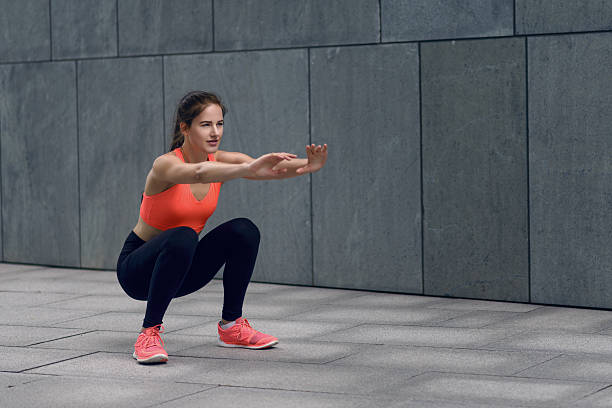
Deep squat is the one move your body was literally born knowing how to do. Your ancestors used it every single day without thinking. Just five minutes of it daily can change your body in surprising ways.
Your Body Was Built for the Deep Squat
Picture a toddler picking something up off the floor. They drop into a perfect deep squat effortlessly. They do not think about ankle angle or hip positioning. It just happens.
Somewhere between childhood and adulthood, most people lose that ability completely. Chairs, desks, and sofas essentially steal it over time. So, losing the ability to squat low is not a normal part of aging. It is a consequence of how modern life is designed.
Ancient humans cooked in squatted positions. They rested that way, worked that way, and even socialized that way. That means your joints evolved expecting to visit that range of motion regularly. Therefore, restoring the deep squat is less about fitness and more about giving your body back what it lost.
Research supports this idea strongly. Populations that maintain regular squatting habits throughout life show notably lower rates of hip, knee, and lower back problems. Additionally, older adults in squat-culture countries retain better balance and independence than their Western counterparts. That is a powerful observation worth taking seriously.
The Biology Behind the Deep Squat
To truly understand what five minutes of squatting does, you need to understand some basic anatomy. Your lower body has three major joints that the deep squat targets simultaneously. Those are the ankles, the knees, and the hips.
Each of those joints has a natural range of motion it needs to stay healthy. When you sit in a chair for eight or ten hours daily, those joints spend most of their time locked at roughly 90 degrees. Over months and years, the tissues around them adapt to that limited range by shortening and stiffening.
This process is called adaptive shortening. It is a real biological response where muscles, tendons, and fascia shorten to match the range of motion you actually use. Essentially, the body follows the rule of use it or lose it at a tissue level.
Furthermore, cartilage inside your joints does not have its own blood supply. Instead, it gets its nutrients from synovial fluid, which is the lubricating liquid inside your joints. That fluid only circulates properly when the joint moves through its full range. Prolonged sitting starves cartilage of nutrients over time. Squatting restores that circulation directly.
The connective tissues involved in the deep squat include the Achilles tendon, the plantar fascia, the iliotibial band, the hip capsule, and numerous ligaments around the knee. All of these benefit from the gentle, progressive loading that squatting provides consistently over time.
Source: Healthline – Deep Squat Benefits
What Happens to Your Joints in a Deep Squat
Let us start at the floor and work upward. The ankle joint is often the first obstacle for beginners. Many adults genuinely lack the ankle mobility needed to squat properly. This is called limited ankle dorsiflexion.
Dorsiflexion means bending your ankle so your shin moves forward over your foot. You need a good amount of it to keep your heels flat on the ground during a squat. Without enough dorsiflexion, the heels lift, weight shifts backward, and the whole movement breaks down.
Interestingly, the tibialis anterior is the muscle on the front of your shin that controls this movement. It is chronically weak in most adults who spend significant time in cushioned shoes. Regular squatting strengthens it while simultaneously stretching the Achilles and soleus below, creating a well-balanced ankle over time.
Moving up to the knee, many people fear that deep knee flexion is harmful. Research does not support that concern when the movement is gradual and pain-free. Studies consistently show that progressive deep knee flexion strengthens the surrounding musculature, improves cartilage health, and builds joint resilience rather than damaging it.
The key phrase there is “gradual and pain-free.” Forcing depth before your tissues are ready can cause problems. So, respecting your current range and building slowly matters far more than rushing toward a perfect position.
At the hip joint, the story becomes especially important. Full hip flexion requires the hip flexors, glutes, adductors, and hip external rotators to coordinate precisely. Additionally, the hip capsule itself, which is the fibrous tissue encasing the joint, needs to be supple enough to allow deep flexion without restriction.
For most people who sit at desks, the hip capsule tightens considerably over years. Consequently, a deep squat stretches it in a safe, loaded position. Over weeks of consistent practice, that tightness reduces. The result is noticeably freer movement in daily life.
How the Deep Squat Fixes Your Posture
Most people do not connect squatting to posture improvement. However, the connection is both real and significant. A proper deep squat naturally stacks the spine into a neutral position.
In that position, your rib cage sits directly over your pelvis. Your pelvis maintains a slight anterior tilt. Your spine holds its natural S-curve without excessive flattening or exaggeration. Practicing this position trains your nervous system to find similar alignment when you stand and walk.
Additionally, the core muscles engage automatically in the deep squat because they must stabilize the torso. You are not doing crunches or planks. Nevertheless, the transverse abdominis, multifidus, and obliques all activate to keep you from pitching forward. That is functional core strength built in a natural context.
Moreover, the deep squat position encourages diaphragmatic breathing. That means the diaphragm moves downward fully on each inhale and the belly expands outward. This is the most mechanically efficient breathing pattern a human can use. Furthermore, it increases intra-abdominal pressure in a healthy way that actually supports spinal stability from the inside.
Many regular practitioners report significant reduction in lower back tension after a few weeks of daily squatting. The reason for that is simple. Tight hip flexors and restricted hip rotators pull the lumbar spine out of neutral alignment constantly. When those tissues loosen through squatting, the lower back stress naturally reduces without any direct lower back work at all.
Source: PowerliftingTechnique – Benefits of the Resting Squat
The Muscles a Deep Squat Works
People commonly think squats are about glutes and quadriceps. The reality is considerably more comprehensive. A deep squat activates the entire lower body and a significant portion of the core at once.
Starting with the quadriceps, these muscles control the descent and support the knee throughout the movement. The deeper the squat, the more the VMO or vastus medialis oblique engages. That is the teardrop-shaped muscle on the inner side of the knee. Strengthening it improves knee tracking and reduces the kneecap pain many desk workers experience.
The hamstrings work eccentrically to control the lowering phase. Then they contract concentrically to help drive the ascent. Additionally, the glute medius activates to prevent the knees from collapsing inward during the movement. That knee control improves every other movement pattern in your life.
The calves face a deep and sustained stretch throughout the squat. Specifically, the soleus, which attaches below the knee, gets the most intense stretch of any muscle in the movement. Because of this, consistent squatting is one of the most effective ankle mobility tools available. It targets exactly the tissue that causes the most restriction.
The hip adductors, the inner thigh muscles, also stretch considerably in a deep squat. Most people feel this intensely on their first attempt. Over time, improved adductor flexibility reduces groin strain risk and makes walking, running, and climbing stairs feel significantly easier.
Finally, the deep stabilizers of the core activate throughout. The transverse abdominis wraps around the torso like a natural belt and engages to keep you upright. The multifidus muscles along the spine fire to maintain neutral curvature. So, you are genuinely building real functional strength with zero equipment required.
Deep Squat Benefits for Your Digestion and Breathing
This section tends to surprise most people. However, it is well-supported by anatomy and research. A deep squat genuinely supports better digestive function.
When the hips drop below the knees, the colon straightens into a more anatomically natural angle. Squat toilets, which are standard in many Asian and African nations, actually align with this principle precisely. Research published in Digestive Diseases and Sciences confirmed that squatted positioning reduces strain during elimination and improves efficiency compared to the seated toilet position.
Moreover, the compression and release of abdominal organs during the squat gently stimulates movement in the digestive tract. Think of it as a mild internal massage for your gut. Additionally, better diaphragmatic breathing in the squat position supports vagal nerve tone. The vagus nerve governs much of the communication between your brain and your digestive system.
As for breathing, the upright torso position in a deep squat opens the chest cavity fully. The diaphragm moves without restriction. Each breath delivers more oxygen with less effort. Importantly, those improved breathing mechanics can carry over into your standing and sitting posture once the pattern becomes established in your nervous system.
Source: Drifter Magazine – Cultural Benefits of the Resting Squat
How to Do a Deep Squat If You Are a Beginner
Starting this practice does not require you to go all the way down immediately. In fact, trying to force depth on day one is the most common mistake beginners make. Progress always beats perfection here.
First, try the squat hang. Stand in front of a sturdy doorframe, a pole, or any stable surface. Grip it with both hands. Then slowly lower yourself into as deep a position as you can manage while holding on. Let the support take some of your load so your joints can explore the range safely.
This variation is genuinely excellent for beginners. It reduces fear, reduces joint load, and lets you focus entirely on your body position. Consequently, most people can get considerably lower in a supported squat than they can freestanding from the very first attempt.
Second, try heel elevation. Place your heels on a folded yoga mat, a wedge, or weight plates. Even one to two inches of elevation reduces the ankle mobility demand dramatically. Over weeks, gradually reduce the elevation as your ankles become more flexible.
Third, use a counterbalance. Hold a water bottle or a light dumbbell out in front of you as you squat. The forward weight shifts your center of gravity and makes it much easier to sit back into depth. It also reduces the demand on your ankles significantly during the early stages.
Furthermore, the frog squat technique adds another useful tool. From your deepest squat position, gently rock your weight from side to side, from foot to foot. This dynamic rocking mobilizes the hip joint in ways that static holds cannot replicate. It is especially effective for people with very restricted hips.
Source: Strength Side YouTube – How a 5-Min Deep Squat Changes the Human Body
The 5-Minute Deep Squat Protocol That Actually Works
Here is the practical plan. No gym membership is needed. No special equipment is necessary. Just five minutes and a floor space.
Option one is ten sets of thirty seconds. Lower into your squat, hold for thirty seconds, stand briefly, and repeat. This works very well for beginners because the short breaks prevent excessive fatigue and discomfort from building up.
Option two is five sets of one minute. This suits people who already have some base mobility. Longer holds give the connective tissue more time to respond to the stretch. Additionally, you get more practice with breathing and relaxing into the position.
On day one, your heels will probably want to lift. Your knees might feel unfamiliar. Your hips might protest loudly. That is perfectly normal and actually useful feedback. Instead of stopping at those signals, use them to identify exactly what your body needs to work on.
By the end of the first week, most people notice small but real improvements. Specifically, they can hold the position slightly longer or get slightly lower before discomfort sets in. By week four, the progress becomes undeniable. Bending down, climbing stairs, and getting up from the floor all feel noticeably different.
Consistency beats intensity here without exception. Therefore, five minutes every single day produces far better results than thirty minutes done once a week. The body adapts to repetitive gentle exposure to new ranges of motion. Irregular big sessions do not create the same tissue adaptation.
Timing also matters practically. Many people squat in the morning while coffee brews because it loosens the body after sleep. Others prefer post-workout squatting when tissues are already warm and pliable. Both work. Pick the time you will actually commit to and stick with it.
Source: Healthline – Ankle Dorsiflexion and Squat Mechanics
Common Deep Squat Mistakes to Avoid
Even a simple movement has ways to go wrong. Knowing the common errors in advance saves you time, discomfort, and frustration.
Forcing depth too quickly is the biggest issue. When you push your hips below your current capacity, your lower back rounds excessively. Excessive lumbar rounding increases spinal stress and can cause real discomfort or injury. Instead, work at the edge of your current range and trust the process to expand it over weeks.
Letting the knees collapse inward is another very frequent problem. This usually signals weak hip abductors. So, consciously pushing your knees outward to track over your toes during the squat trains those muscles consistently over time.
Holding your breath is surprisingly common, especially when the position feels difficult or unfamiliar. Actually, controlled nasal breathing in the squat teaches your nervous system to stay calm under load. Slow breathing also helps the surrounding tissues relax into the position more deeply. Breathe in, breathe out, and let your body soften.
Skipping any warm-up before squatting can cause unnecessary strain. Two to three minutes of walking, ankle circles, or leg swings prepares the joints properly. Furthermore, a warm joint responds to stretching significantly better than a cold one does.
Neglecting the upper body position is easy to overlook when you are focused on depth. Many beginners hunch forward, rounding the thoracic spine and adding strain to the upper back. Instead, keep your chest lifted and your gaze directed forward. Using your elbows to gently push your knees open from the inside also helps maintain a more upright torso throughout.
Science Says Sitting Is Quietly Hurting You
This point deserves more attention than it usually gets. Chairs are genuinely not neutral objects in your life. Sitting in them for eight to ten hours daily causes measurable biological harm over time.
Research from multiple institutions links prolonged sitting to reduced hip mobility, accelerated muscle loss, and shortened cartilage lifespan. As noted earlier, cartilage gets its nutrients from movement. When you stop moving through your full range, cartilage stops getting adequately fed.
Studies also show that adults who sit more than six hours daily have measurably weaker hip flexors and shorter hamstrings than active individuals. Furthermore, the gluteal muscles become inhibited from prolonged compression. This condition is sometimes informally called gluteal amnesia, and it means your glutes gradually lose their ability to fire correctly during movement.
A deep squat directly counteracts all of those effects. It forces blood flow into the joints. It stimulates synovial fluid production, which lubricates the hip and knee. Moreover, it reactivates the muscles that chair-sitting shuts off. Think of it as a daily biological reset that your joints genuinely need.
Source: Journal of Physical Activity and Health – Sedentary Behavior and Musculoskeletal Health
Cultural Proof That Regular Squatting Works
The scientific evidence is compelling on its own. Cultural evidence across centuries adds a further layer of convincing data. Look at countries where people regularly squat throughout their daily lives.
Japan, India, Southeast Asia, and large portions of Africa all have populations that routinely use squatted positions for rest, work, eating, and socialization. In those populations, hip replacement rates are considerably lower. Knee arthritis tends to appear later and present less severely. Additionally, elderly individuals retain better balance and functional independence than their Western counterparts.
Critically, researchers have confirmed this is not about genetics. When people from squat-culture backgrounds immigrate and adopt Western chair-based lifestyles, their mobility declines at rates similar to lifelong Westerners. Therefore, the protection comes from the habit and not the heritage. That is an important distinction.
This real-world cultural pattern gives powerful confirmation to what the biology already predicts. The deep squat is a fundamental human movement pattern. Restoring it is one of the highest-value physical habits available to any person regardless of fitness level.
Deep Squat and Aging Gracefully
Here is a finding that genuinely should change how you think about daily movement. A 2014 study published in the European Journal of Preventive Cardiology tested the ability of adults over 51 to sit and rise from the floor without using their hands or knees for support.
People who scored the lowest on this sitting-rising test had five to six times higher mortality risk over the following years compared to those who scored the highest. That is a striking result. Furthermore, the test measured the same attributes that deep squatting builds directly, including flexibility, balance, motor coordination, and hip strength.
The deep squat develops all of those attributes simultaneously. It trains ankle stability, hip strength, knee resilience, and balance in one position. Additionally, it keeps the nervous system engaged in complex movement coordination. Research consistently links physical movement complexity to better brain health and cognitive function as people age.
Consequently, five minutes of squatting daily is genuinely one of the most time-efficient longevity practices available. It costs nothing financially. It requires no equipment. Yet it addresses some of the most significant physical risk factors associated with aging poorly.
Source: European Journal of Preventive Cardiology – Sitting-Rising Test and Longevity
How Long Before You See Real Results
Everyone wants a timeline. The honest answer depends on your starting point. However, most people notice meaningful change within two weeks of consistent daily practice.
During the first week, your body builds movement awareness. You start identifying which tissues are tight and which joints resist the range. That information is genuinely valuable. Moreover, the nervous system begins encoding the movement pattern even before any structural tissue changes occur.
In weeks two through four, connective tissues begin adapting. Specifically, the Achilles tendon, hip flexors, and hip capsule start to lengthen in response to the consistent demand. Most people notice their heels staying flatter on the ground and their balance improving during this phase.
By the six to eight week mark, the changes are generally obvious to observers as well as the practitioner. The squat position looks taller and more relaxed. Range of motion in daily movements expands noticeably. Furthermore, many people report reduction in knee, hip, or lower back discomfort that they had simply accepted as normal life before.
Beyond six months of consistency, many practitioners find they no longer need to practice intentionally. The deep squat becomes a natural resting position again. That is genuinely the goal. That is what restoring your body’s original capacity actually looks like.
Getting Started Today
You need zero equipment to begin. A small patch of floor is sufficient. The entire commitment is five minutes.
Start with a squat hang if the unsupported version is too challenging. Progress to heel elevation if your ankles are the limiting factor. Add a counterbalance if balance is the main issue. Reduce your supports gradually as your body adapts over weeks.
Set a daily reminder on your phone. Squat while your morning coffee brews. Squat during a commercial break. Squat after your workout. The method matters far less than the consistency. Because the single biggest factor in results is simply showing up every day and doing the work.
Your joints were designed for this movement. Your hips remember it from childhood even if they have forgotten how to get there. Your future self, the one who still gets off the floor effortlessly at seventy, will be genuinely glad you started today.
Sources and External Links
- Healthline: Deep Squat Benefits and Muscles Worked
- Healthline: Ankle Dorsiflexion Explained
- PowerliftingTechnique: Benefits of the Resting Squat
- PubMed Central: Squat Biomechanics and Joint Health
- European Journal of Preventive Cardiology: Sitting-Rising Test and Longevity
- Digestive Diseases and Sciences: Squatting Position and Bowel Health
- Drifter Magazine: Cultural Benefits of the Resting Squat
- Strength Side YouTube: How a 5-Min Deep Squat Changes the Human Body
- Journal of Physical Activity and Health: Sedentary Behavior and Musculoskeletal Health