
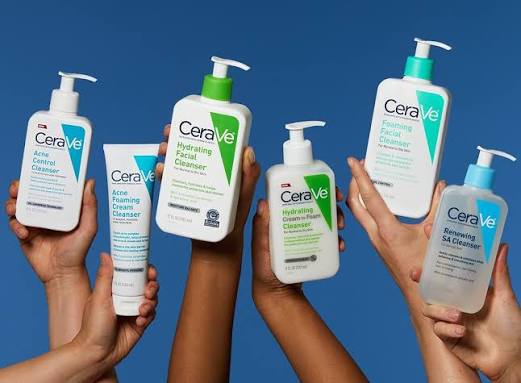
CeraVe is suddenly the villain of the skincare world. People are panicking about cancer-causing chemicals. But wait before you toss your cleanser. The truth is way more interesting than the headlines.
So, What Is the CeraVe Benzene Controversy About?
You probably saw that headline flying around. “CeraVe linked to cancer.” That is a terrifying thing to read. Naturally, people panicked and started throwing products in the trash. But slow down, because the actual story is much calmer than that.
CeraVe’s parent company, L’Oréal, is currently facing about six class-action lawsuits. Specifically, these lawsuits target only two products: the 4% and 10% benzoyl peroxide foaming cleansers. Moreover, these are not personal injury claims at all. Additionally, not a single person filing these lawsuits says they developed cancer from using the products.
Instead, the plaintiffs argue they would not have bought these products if they had known about the potential benzene risk. So right away, the reality is far less dramatic than the headlines suggest. Furthermore, this is a classic “failure to warn” lawsuit, not a medical injury case. Therefore, understanding that distinction changes everything about how you should read this news.
According to board-certified dermatologist Dr. Dustin Portela, the media is misrepresenting this story significantly. His detailed breakdown on YouTube walks through the chemistry, the legal situation, and the science clearly. So before you do anything rash, it is worth understanding what is actually going on.
What Is Benzoyl Peroxide and How Does It Work on Your Skin?
Benzoyl peroxide, often shortened to BP, is one of the most thoroughly studied acne-fighting ingredients in the world. It has been used in dermatology for well over 60 years. Furthermore, it specifically targets the bacteria responsible for acne, known as Cutibacterium acnes. Additionally, it helps unclog pores and actively reduces skin inflammation.
From a chemistry standpoint, BP is an organic peroxide. Its chemical structure is written as (C6H5CO)2O2. When it contacts your skin, the compound breaks down quickly into benzoic acid and oxygen. Importantly, that reaction is what kills acne-causing bacteria so effectively. Moreover, BP works in concentrations ranging from 2.5% all the way up to 10%.
However, under specific conditions, BP can break down differently. Particularly when exposed to high heat, BP can degrade into benzene instead of benzoic acid. That difference in breakdown pathway is the entire foundation of this controversy. So keep that distinction in your mind as you read on.
The Biology of Your Skin and How It Handles Topical Products
To really understand this controversy, you need a basic understanding of how your skin functions. Your skin is actually the largest organ in your entire body. It has three main layers: the epidermis on the outside, the dermis in the middle, and the hypodermis at the base. The outermost layer, called the epidermis, acts as a physical barrier. It keeps most foreign substances out while locking moisture in.
Interestingly, your skin does absorb some substances through a biological process called percutaneous absorption. However, not everything that touches your skin enters your bloodstream. Large molecules, for example, mostly stay on the skin’s surface. Smaller molecules can pass through more easily, depending on their size and structure.
Furthermore, several factors influence how much a product absorbs into your skin. Skin condition, product formulation, and the area of the body being treated all play a role. Damaged or inflamed skin absorbs topical products more readily. Also, areas with thinner skin, like the face and neck, naturally absorb more than thicker areas.
Additionally, the skin contains natural enzymes that often metabolize substances before they enter blood circulation. Therefore, even if trace benzene forms on the skin surface, the body has built-in defenses working against it. Clearly, this does not make exposure zero risk. However, it does put the biological reality in proper perspective.
One more important point here is the product type itself. Wash-off cleansers, like the two CeraVe products named in the lawsuits, contact your skin for only seconds to a couple of minutes. Consequently, the actual exposure window is quite small compared to a leave-on treatment like a serum or cream.
How Benzene Forms from Benzoyl Peroxide: The Chemistry Explained
Now let us look at the chemistry that actually started this whole controversy. Benzene is a simple aromatic hydrocarbon. Its chemical formula is C6H6. It forms through a process called thermal decomposition of benzoyl peroxide. Basically, heat causes the BP molecule to break apart in an unintended way, producing benzene rather than the safer breakdown products.
A testing laboratory called Valisure brought this issue to wider public attention. They ran tests on benzoyl peroxide acne products and found high benzene levels under accelerated conditions. However, their testing used temperatures reaching up to 158 degrees Fahrenheit. That is significantly hotter than any normal bathroom cabinet or skin surface temperature.
Critics of Valisure’s methodology point out that these test conditions are completely unrealistic for everyday use. Normal home storage temperatures are far lower. Additionally, the FDA reviewed Valisure’s findings and raised concerns about the validity of their testing approach. Still, the FDA conducted its own independent testing. As a result, limited voluntary recalls happened for specific products where elevated benzene was confirmed.
Interestingly, benzene contamination in pharmaceutical products is not a new topic. The FDA already has an established limit of 2 parts per million for benzene in drug products. Furthermore, regulators use a concept called acceptable daily intake to assess what level of exposure actually poses meaningful risk to humans. So both context and dosage matter enormously in evaluating this situation.
[Source: FDA on Benzene in Drug Products: https://www.fda.gov/drugs/drug-safety-and-availability/benzene-drug-products]
Is CeraVe Actually Dangerous? Here Is the Honest Answer
Let us be direct because you deserve a clear answer. The two specific CeraVe products named in the lawsuits are benzoyl peroxide-based acne cleansers. These are targeted acne-fighting products, not everyday moisturizers or general-use skincare. Moreover, the lawsuits specifically name only these two products within the entire CeraVe product line.
So should you throw away everything CeraVe makes? The answer is simply no. The vast majority of CeraVe products contain no benzoyl peroxide whatsoever. Popular products like the CeraVe Moisturizing Cream, Hydrating Cleanser, SA Cleanser, and AM/PM Facial Moisturizing Lotions are not part of this controversy at all. Therefore, the widespread fear that “CeraVe is dangerous” as a brand is not supported by the evidence.
Even for the two affected acne cleansers, regulatory findings show that most units tested contain low or no concerning benzene levels under normal conditions. Additionally, the phrase “under normal conditions” is critical here. Storing your products at room temperature and keeping them away from heat and direct sunlight substantially reduces any possibility of benzene formation. So smart, simple storage habits genuinely make a measurable difference.
Furthermore, the American Academy of Dermatology has not issued any recommendation to stop using benzoyl peroxide products broadly. Board-certified dermatologists continue to recommend BP as a highly effective and generally safe first-line acne treatment. Therefore, the clinical consensus has not shifted dramatically because of this controversy.
[Source: American Academy of Dermatology: https://www.aad.org/public/diseases/acne/diy/treatments]
What the FDA Actually Found During Their Testing
The FDA took this issue seriously and ran its own independent product testing. Their findings were notably more measured than the alarming viral headlines. Moreover, most products they tested came in at benzene levels below or at the acceptable regulatory limit. However, certain specific batches from some brands did show elevated levels. As a result, those triggered limited voluntary recalls.
Importantly, the FDA also specifically cautioned the public against relying too heavily on Valisure’s accelerated test results. Their concern was that extreme laboratory conditions simply do not reflect what happens during real-world consumer use. Additionally, the agency continues to actively monitor the situation as part of ongoing product safety review programs.
The FDA’s general guidance advises consumers to store BP products in cool, dry places. Furthermore, the agency has not issued any blanket recall of all benzoyl peroxide products across the market. Therefore, the current regulatory position is one of careful, measured monitoring rather than alarmed restriction.
This measured approach from a regulatory body actually tells you something important. When regulators find a genuine widespread danger, they act quickly and decisively. The fact that no sweeping ban has occurred suggests the risk profile is far smaller than headlines imply.
[Source: FDA Official Statement on BP Products: https://www.fda.gov/drugs/drug-safety-and-availability]
The Science of Benzene and Cancer Risk: What Biology Tells Us
Benzene is genuinely classified as a Group 1 carcinogen by the International Agency for Research on Cancer. That classification is based on strong, well-documented evidence linking benzene to blood cancers, especially leukemia. However, the critical context behind that classification involves high, prolonged occupational exposure.
Inside the human body, benzene causes cancer through a specific biological mechanism. First, the liver converts benzene into reactive metabolites. These metabolites then travel to bone marrow and damage DNA in blood-forming cells. Over time, that accumulated DNA damage can cause abnormal cell growth, eventually leading to leukemia or other blood disorders.
However, the exposure levels in industrial or occupational settings are vastly different from any trace amounts potentially present in skincare products. Workers in petroleum refineries, chemical plants, or rubber manufacturing facilities, for example, face exposure hundreds of times higher. Additionally, they breathe in benzene continuously over years and even decades.
By contrast, applying a face wash once or twice daily represents minimal topical exposure. Furthermore, the skin does not absorb benzene with 100% efficiency. Also, wash-off products like cleansers stay on the skin for only seconds to a couple of minutes before rinsing. Therefore, the actual biological exposure from these acne cleansers is extremely low based on available evidence.
Moreover, basic toxicology consistently teaches that dose makes the poison. A tiny trace amount of a harmful substance is simply not the same as a dangerous or life-threatening dose. This principle applies directly and powerfully to the benzene discussion happening right now.
[Source: International Agency for Research on Cancer: https://www.iarc.who.int]
[Source: National Cancer Institute on Benzene: https://www.cancer.gov/about-cancer/causes-prevention/risk/substances/benzene]
CeraVe Lawsuits Explained in Plain Terms
The lawsuits against L’Oréal, CeraVe’s parent company, are economic loss claims. Put simply, the plaintiffs argue that they were financially harmed as consumers. Specifically, they claim they paid money for a product they would not have purchased if they had known about the potential benzene risk. Furthermore, “failure to warn” is the core legal theory, meaning the labels allegedly did not provide adequate risk information.
To be absolutely clear, nobody in any of these CeraVe lawsuits claims they personally developed cancer from using these products. That distinction is crucial and it is one that most viral headlines completely ignore. Additionally, class-action consumer lawsuits of this kind are quite common across product categories in the US. Often, they resolve through settlements with no formal admission of wrongdoing by the company.
Legal analysts from respected firms like Skadden have noted that these suits face significant scientific hurdles. The plaintiffs must demonstrate that benzene levels in these specific products posed a real, meaningful, and foreseeable health risk. Moreover, they also need to show that CeraVe or L’Oréal knew about this risk and chose not to disclose it. That is a genuinely high legal bar to clear in court.
Furthermore, critics have pointed out an interesting pattern involving Valisure. The lab that originally raised alarms about benzene in BP products has a documented history of publishing alarming findings that precede litigation from law firms. This does not automatically discredit their scientific work. However, it does raise fair questions about the broader picture surrounding how these controversies develop.
[Source: Skadden Legal Analysis: https://www.skadden.com]
[Source: AboutLawsuits: https://www.aboutlawsuits.com]
Should You Stop Using CeraVe Benzoyl Peroxide Products?
Here is the practical, grounded answer you actually need. For the two specific benzoyl peroxide cleansers named in the lawsuits, the best first step is talking to your dermatologist. A skin care professional can help you weigh real benefits against real risks based on your own skin situation. Moreover, if these products are keeping your acne well-controlled, switching carelessly could trigger serious breakouts.
Abandoning effective acne treatment comes with its own set of real health consequences. Untreated acne causes scarring, post-inflammatory hyperpigmentation, and significant psychological distress for many people. Furthermore, in severe cases, skin infections from unchecked acne can occasionally become medically serious. Therefore, the risk of abandoning effective treatment is not zero either.
For all other CeraVe products outside of these two, there is currently no scientific or regulatory basis for concern. Products like the CeraVe Moisturizing Cream, Foaming Facial Cleanser, and the CeraVe SA Lotion remain widely recommended across the dermatology community. Additionally, their ceramide-rich formulas actively support the skin barrier, which is a real and meaningful skin health benefit. Making sweeping judgments about the entire CeraVe brand based on two products is simply not reasonable or evidence-based.
If you feel concerned despite this information, some straightforward steps can help. First, store all benzoyl peroxide products in cool, dry spots away from sunlight and heat sources. Second, use these products exactly as directed on the label. Third, never leave them in hot cars or on sunny windowsills where temperatures spike. Fourth, schedule a visit with a board-certified dermatologist for personalized skincare guidance. That conversation is always worth your time.
How to Read Skincare Headlines More Critically
This entire CeraVe controversy is actually a valuable lesson in media and scientific literacy. Scary headlines about chemicals and cancer spread at incredible speed on social media. However, the nuance and context necessary to understand those headlines rarely travel alongside them. Therefore, developing a sharper critical eye for these kinds of stories is an important skill.
First, always ask who is funding the testing or the research being cited. Valisure, for example, operates as both a testing lab and an advocacy-style organization. Their financial model involves petitions and public reporting that sometimes precede legal action. This does not automatically discredit their scientific work, but it is a fair and important thing to know.
Second, look for dose and exposure context in every story involving toxic chemicals. A substance being a confirmed carcinogen at high industrial exposure levels does not automatically make trace amounts in consumer products dangerous. Additionally, always consider the route of exposure. Breathing benzene for eight hours a day in a factory setting versus a 30-second face wash are not remotely comparable situations.
Third, think carefully about what you stand to lose by overreacting. Stopping an effective acne routine based on panic can genuinely harm your skin health. Also, chronic acne has serious and underappreciated impacts on mental health and quality of life. So calm, evidence-based decision-making will always serve you better than fear-driven reactions to headlines.
Ingredients, Inflammation, and the Body’s Response to Skincare
The skin is not just a passive surface. It is a living, reactive organ with its own immune functions and inflammatory responses. When you apply any active ingredient, your skin’s keratinocytes, immune cells, and blood vessels all respond. BP works partly because it creates a local oxidative environment that kills bacteria but does not significantly harm surrounding skin cells at recommended concentrations.
Additionally, the body’s inflammatory response is key to understanding both acne and treatment. Acne itself is fundamentally an inflammatory condition. The sebaceous glands overproduce sebum, follicles clog, bacteria multiply, and the immune system mounts an inflammatory response. That process creates the red, painful, swollen lesions most people recognize as acne.
Benzoyl peroxide interrupts this cycle at the bacterial level. Furthermore, it reduces the overall inflammatory burden on the skin when used consistently. The result is fewer active breakouts, less long-term scarring, and healthier skin function over time. This biological benefit is real, well-documented, and should not be discarded lightly based on unvalidated fear.
Interestingly, the skin also develops a degree of tolerance to active ingredients over time. Some people experience initial dryness or peeling when starting BP. However, this typically settles after two to four weeks as the skin adjusts. Moreover, using a good ceramide-based moisturizer, like many in the CeraVe lineup, alongside BP helps manage that initial adjustment period effectively.
[Source: Journal of the American Academy of Dermatology: https://www.jaad.org]
[Source: Medscape Dermatology: https://www.medscape.com/dermatology]
The Bigger Conversation: Ingredient Safety and Skincare Accountability
The CeraVe benzene controversy opens a genuinely important broader conversation about ingredient safety in the beauty industry. Skincare is a largely under-regulated category in many countries, especially compared to pharmaceuticals. Furthermore, the US FDA regulates cosmetics quite differently from drugs, requiring less pre-market testing before products reach shelves.
Benzoyl peroxide sits in an interesting regulatory middle ground. At prescription strength, BP is regulated as a drug. Over-the-counter versions fall under the OTC drug monograph system. Additionally, this means they have already passed certain established safety evaluations. However, contamination from ingredient degradation under specific conditions is a newer area that regulators are actively revisiting.
Globally, the European Union tends to apply stricter restrictions to cosmetic ingredients. Moreover, several countries have already reviewed and restricted certain preservatives, fragrances, and sunscreen chemicals. Therefore, ongoing vigilance from both regulators and consumers remains genuinely important. Equally important is greater transparency from brands about ingredient sourcing, stability testing, and proper storage guidance.
This situation also shows that third-party testing serves a real public interest function. Even if Valisure’s methodology drew criticism, the broader question about BP stability under heat is a legitimate scientific concern. Furthermore, the conversation they sparked has led to better labeling guidance and clearer consumer storage recommendations. That kind of accountability ultimately benefits everyone who uses skincare products.
Smart Skincare Habits That Actually Protect Your Skin
Beyond the immediate CeraVe controversy, this is a genuinely good moment to build smarter, more informed skincare habits overall. First, always store your skincare products according to the directions printed on the label. Heat and prolonged sunlight degrade many active ingredients, not just benzoyl peroxide. Furthermore, using expired or improperly stored products can reduce effectiveness and sometimes cause irritation.
Second, take time to read and understand ingredient lists for the products you use daily. Benzoyl peroxide kills acne bacteria. Salicylic acid dissolves the keratin plugs that clog pores. Retinoids increase cell turnover and support collagen production. Niacinamide reduces sebum production and calms redness. Knowing what these ingredients do helps you ask better questions and make genuinely informed choices. Additionally, a simple, consistent routine usually outperforms a complicated, overcrowded one.
Third, consider building a real relationship with a board-certified dermatologist, especially if acne is a persistent or severe concern. Dermatologists can monitor your skin’s response to treatments and adjust protocols based on what they observe. Moreover, they can prescribe targeted options that are often more effective than over-the-counter alternatives. That professional guidance adds tremendous value to your long-term skin health.
Finally, do not allow fear-driven media coverage to push you away from products that are genuinely working for your skin. The clinical benefits of well-formulated, thoroughly tested skincare products are real and documented in peer-reviewed research. Additionally, abandoning proven treatments based on unverified or exaggerated headlines does your skin no real favors. Stay informed, stay calm, and keep your skincare decisions grounded in evidence.
In Summary: What You Should Actually Take Away from All of This
The CeraVe benzene scare is a textbook case of a nuanced scientific and legal situation being oversimplified into a terrifying headline. The facts, when laid out clearly, tell a much calmer story. Two specific benzoyl peroxide acne products face economic lawsuits. No one claims cancer. The FDA found limited issues in specific batches and issued targeted voluntary recalls. Most products tested fine.
Benzoyl peroxide remains one of the most effective and evidence-backed acne treatments available. Furthermore, the entire CeraVe skincare range, outside of those two specific products, has not been implicated in any safety concerns. Therefore, the rational response is informed awareness, not widespread panic. Talk to your dermatologist, store your products properly, and keep using what works for your skin.
The skin is a complex, dynamic organ that deserves both good science and calm, rational decision-making. Scary headlines will keep coming. So will new controversies, petitions, and lawsuits in the beauty industry. However, you now have the tools to read them more critically and protect both your skin health and your peace of mind.
External Sources and References
- Dr. Dustin Portela’s YouTube Breakdown: https://www.youtube.com/@DrPortela
- FDA on Benzene Contamination in Drug Products: https://www.fda.gov/drugs/drug-safety-and-availability/benzene-drug-products
- Valisure Citizen Petition on Benzoyl Peroxide: https://www.valisure.com
- International Agency for Research on Cancer, Benzene Classification: https://www.iarc.who.int
- National Cancer Institute on Benzene: https://www.cancer.gov/about-cancer/causes-prevention/risk/substances/benzene
- American Academy of Dermatology, Acne Treatment Guidelines: https://www.aad.org/public/diseases/acne
- Skadden Legal Analysis of Class Action Landscape: https://www.skadden.com
- AboutLawsuits, CeraVe Lawsuit Tracker: https://www.aboutlawsuits.com
- Medscape Dermatology, Benzoyl Peroxide Clinical Review: https://www.medscape.com/dermatology
- Dermatology Times, BP Safety Coverage: https://www.dermatologytimes.com
- C&EN by the American Chemical Society, BP Chemistry: https://www.cen.acs.org
- Journal of the American Academy of Dermatology: https://www.jaad.org
- Fact Crescendo Fact Check on CeraVe Headlines: https://factcrescendo.com