
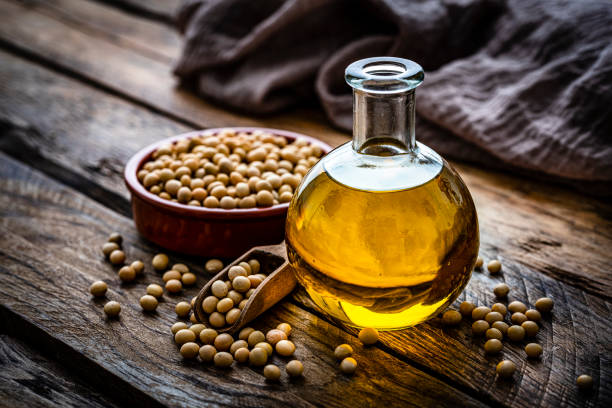
Seed oils quietly hide in almost every meal you eat today. Scientists now say they could be seriously harming your health in ways you cannot see. Here is what the latest research actually says about them.
Seed Oils Are Everywhere, and That Is the Problem
Picture this. You pour what looks like a perfectly healthy bottle of vegetable oil into your pan. You feel good about yourself. But science is now quietly tapping you on the shoulder with some uncomfortable news.
Seed oils are oils extracted from plant seeds. Common examples include canola oil, soybean oil, corn oil, sunflower oil, cottonseed oil, and safflower oil. These oils became popular in the 20th century as cheap alternatives to butter and lard. Today, they show up in almost everything. You find them in salad dressings, packaged snacks, fast food chains, and restaurant kitchens across the country.
So, what exactly is the problem? The answer sits deep inside your body at the cellular level. These oils contain a specific fatty acid called linoleic acid. Linoleic acid belongs to a group of fats called omega-6 polyunsaturated fatty acids (PUFAs). Your body does need some of it to function. However, the issue is not the fat itself in small amounts. The real concern is how much of it now floods modern diets, and what happens when you heat it repeatedly.
As a result of rising seed oil consumption, the chemical structure of human body fat has changed dramatically. Researchers, nutritionists, and independent doctors have examined this shift. Their findings are raising serious questions about the connection between these everyday oils and modern disease.
Source: Dr. Eric Berg DC, “You Will NEVER Consume Seed Oils Again After Watching This,” YouTube, 2026 — https://www.youtube.com/watch?v=
How Seed Oils Changed Human Body Fat Forever
Your body stores fat. That is not news. But here is something that genuinely might surprise you.
The types of fat stored inside human body tissue have changed dramatically over the past six decades. Back in the 1960s, linoleic acid made up roughly 6% of fat stored in human adipose (body fat) tissue. Today, researchers find that number sits at around 18%. That is a threefold increase in just a few generations. Furthermore, this shift happened almost entirely because people started eating far more seed oils through processed foods and restaurant cooking.
This is not just a number on a chart. These fatty acids actually get woven into your cell membranes and fat tissue. Cell membranes control what enters and exits your cells. They regulate communication between cells, hormone signaling, and immune responses. When the fatty acid composition of those membranes changes substantially, cell function can change with them.
Additionally, researchers found this same pattern in breast milk. Mothers who consume high amounts of seed oils pass elevated linoleic acid on to their nursing infants. That means even newborns are being exposed to higher levels of these fats before they can make a single food choice of their own.
Moreover, this linoleic acid does not clear out of your system quickly. Studies suggest it can take years of dietary change before your stored body fat composition meaningfully shifts. So, every high-seed oil meal you eat today continues to shape your biology long into the future.
Source: PMC4836695 — https://www.ncbi.nlm.nih.gov/pmc/articles/PMC4836695/
Seed Oils and Oxidation: The Toxic Byproducts Nobody Talks About
Now here is the part that most people never hear about, and it is important.
Seed oils are chemically unstable. Linoleic acid has multiple double bonds in its molecular structure. These double bonds make the fat highly reactive. When you expose these oils to heat, light, or oxygen, they break down through a process called oxidation.
During oxidation, seed oils produce toxic compounds. One well-studied group of these compounds is called aldehydes. Aldehydes can bind to proteins in your body and disrupt their normal function. Some researchers describe this binding effect like superglue. The toxic byproducts essentially glue themselves to proteins and stop those proteins from doing their jobs properly.
Think about restaurant frying. Most fast food restaurants reuse the same oil repeatedly throughout a single day, sometimes across multiple days. Each time that oil heats up again, oxidation compounds further. By the time your french fries land on your tray, the oil coating them has already gone through multiple cycles of thermal damage. Therefore, the toxic compound load in that one meal can be remarkably high.
Interestingly, the problem does not even stop at cooking. When your body burns its own stored linoleic acid for energy during normal fat metabolism, some of those same harmful byproducts can form internally. Unlike saturated fats like butter or coconut oil, which have no double bonds and resist oxidation very well, linoleic acid is fragile. It breaks apart easily under physical and metabolic stress.
Source: PMC6860741 — https://www.ncbi.nlm.nih.gov/pmc/articles/PMC6860741/
What the Minnesota Coronary Experiment Actually Found
Most people have never heard of the Minnesota Coronary Experiment. That is partly because its full results were buried for decades.
This large-scale controlled trial ran in the 1960s and 1970s. Researchers recruited thousands of residents from nursing homes and mental health institutions in Minnesota. The study compared two groups. One group ate their normal diet containing saturated fats. The other group replaced saturated fat with vegetable oils rich in linoleic acid. Researchers then tracked what happened to each group’s health over time.
Initially, the vegetable oil group showed lower total cholesterol levels. For years after the study wrapped, scientists pointed to this cholesterol drop as evidence that vegetable oils protect the heart. Public health messaging ran with that interpretation for decades.
However, when researchers finally reanalyzed the complete dataset in 2016, the picture looked very different. Lower cholesterol in the vegetable oil group did not translate into lower death rates. In fact, for every 30-point reduction in total cholesterol, the risk of dying during the study went up by 22%. Furthermore, the group eating vegetable oils showed a higher overall death rate than the group eating saturated fat.
These findings directly challenge the long-standing assumption that swapping animal fat for vegetable oil saves lives. Critics of the study note it had certain limitations, including the population studied. Nevertheless, as one of the most rigorous controlled trials on this specific dietary question, its results deserve serious consideration rather than continued silence.
Source: Minnesota Coronary Experiment Re-analysis, BMJ, 2016 — https://www.bmj.com/content/353/bmj.i1246
Seed Oils and Your Heart: A More Complicated Story
For decades, the heart health conversation centered on one simple idea. Lower cholesterol and you protect your heart. Seed oils lowered cholesterol. Therefore, seed oils protect your heart. That logic seemed clean. The reality, though, is far more complicated.
When seed oils oxidize inside the body, their byproducts can damage the walls of blood vessels. Damaged arterial walls attract cholesterol deposits and immune cells. Over time, this process leads to atherosclerosis. Atherosclerosis is the buildup of plaque inside arteries. It is a primary driver of heart attacks and strokes.
Additionally, oxidized LDL cholesterol is now widely considered more damaging to arteries than total LDL levels alone. Seed oils, particularly when oxidized through cooking or processing, contribute to higher levels of oxidized LDL in the bloodstream. So, the type and quality of fat in your diet matters far more than a simple cholesterol number suggests.
Some large nutritional reviews do find that replacing saturated fat with polyunsaturated fat slightly reduces cardiovascular events in certain populations. However, these studies rarely distinguish between fresh oils and oxidized ones. They also rarely account for the overall dietary context in which these fats appear, usually alongside ultra-processed food ingredients.
Therefore, calling seed oils definitively heart-friendly based on cholesterol data alone overlooks a great deal of what current biology research shows.
Source: PMC4908872 — https://www.ncbi.nlm.nih.gov/pmc/articles/PMC4908872/
The Omega-6 Problem: When Balance Becomes Imbalance
Your body needs both omega-6 and omega-3 fatty acids. Neither one is inherently dangerous in reasonable amounts. The critical factor is their ratio to each other.
For most of human evolutionary history, people consumed omega-6 and omega-3 fats in a ratio of approximately 4:1. Today, the average Western diet delivers omega-6 to omega-3 in a ratio closer to 15:1, sometimes as high as 20:1. Seed oils are the single biggest driver of this shift. They flood modern diets with omega-6 while most people eat very little omega-3 from fatty fish, flaxseeds, or walnuts.
This imbalance matters biologically because omega-6 and omega-3 fats compete for the same enzymes inside your body. These enzymes convert fatty acids into signaling molecules called eicosanoids. Omega-6 fats tend to produce pro-inflammatory eicosanoids. Omega-3 fats produce anti-inflammatory ones. When omega-6 overwhelms omega-3, your body’s signaling tilts heavily toward chronic, low-grade inflammation.
Chronic inflammation now connects to a long list of modern health problems. These include type 2 diabetes, obesity, metabolic syndrome, autoimmune diseases, depression, and cognitive decline. So, restoring a healthier fatty acid ratio is not a minor tweak. It is a foundational step in reducing systemic inflammation throughout your body.
Practically speaking, you can improve this ratio in two ways. First, cut back on seed oils and the processed foods that contain them. Second, actively increase omega-3 intake through fatty fish like salmon, mackerel, and sardines, or through quality fish oil supplements.
Source: PMC11849496 — https://www.ncbi.nlm.nih.gov/pmc/articles/PMC11849496/
What Seed Oils Do Inside Your Brain and Nervous System
Your brain is largely made of fat. Roughly 60% of the dry weight of your brain tissue is fat. The types of fat in your diet directly shape the types of fat inside your brain cells. This is one of the most overlooked aspects of nutritional neuroscience.
Your brain particularly needs long-chain omega-3 fatty acids, especially DHA (docosahexaenoic acid). DHA forms a critical structural component of brain cell membranes. It supports fast, efficient communication between neurons and protects against neurodegeneration. When omega-6 fats from seed oils crowd out omega-3 fats in brain tissue, the functional quality of those brain membranes can decline.
Additionally, the small toxic byproducts of oxidized linoleic acid can cross the blood-brain barrier. Normally, this barrier protects your brain from harmful substances circulating in the bloodstream. However, certain aldehyde compounds from oxidized seed oils are small enough to slip through. Once inside the brain, they cause oxidative stress in neural tissue.
Oxidative stress in the brain is directly associated with accelerated cognitive decline. Research links it to higher risk of Alzheimer’s disease, dementia, and other neurodegenerative conditions. Furthermore, neuroinflammation, which is inflammation specifically within brain tissue, is partly driven by an excess of omega-6 fats competing against omega-3s.
Beyond the brain itself, your nervous system depends on healthy myelin sheaths. Myelin is the protective coating that wraps around nerve fibers. It allows electrical signals to travel quickly and accurately throughout your body. The structural integrity of myelin depends on the fats you consume. A sustained omega-6 excess relative to omega-3 may gradually compromise myelin quality over time.
Source: Dr. Eric Berg DC, YouTube, 2026 — https://www.youtube.com/
The Cell Biology Behind the Concern
To really understand the risk, you need to look at what happens inside individual cells.
Every cell in your body has a membrane. This membrane consists of a double layer of fat molecules called phospholipids. The ratio of saturated fats to polyunsaturated fats in those phospholipids controls how stable, flexible, and functional the membrane is. Saturated fats contribute structural rigidity and stability. Polyunsaturated fats like linoleic acid add flexibility, which cells also need. A healthy membrane needs a thoughtful balance of both.
When linoleic acid makes up an unusually large share of your cell membranes, those membranes become more chemically vulnerable. The process of oxidative damage to these membranes is called lipid peroxidation. During lipid peroxidation, polyunsaturated fat molecules within the membrane break apart and generate free radicals. Free radicals are highly reactive molecules that attack nearby cellular structures. They damage DNA strands, deactivate proteins, and impair enzyme function.
Your body maintains antioxidant defense systems specifically to neutralize free radicals. These systems include enzymes like superoxide dismutase and glutathione peroxidase, as well as antioxidant nutrients like vitamin C and vitamin E. However, when oxidative stress consistently outpaces antioxidant capacity, cellular damage accumulates faster than your body can repair it.
Mitochondria are particularly vulnerable here. Mitochondria are the energy-producing organelles inside your cells. Their inner membranes are especially rich in fatty acids. When seed oil byproducts damage mitochondrial membranes, energy production drops. This reduction in cellular energy output can affect everything from physical stamina to mental sharpness to immune function.
Source: PMC4836695 — https://www.ncbi.nlm.nih.gov/pmc/articles/PMC4836695/
Seed Oils in Your Daily Food: The Hidden Sources
Most people genuinely do not realize how many products contain seed oils. These oils cost very little to produce at scale. They also extend the shelf life of packaged products, making them commercially attractive to food manufacturers. As a result, they appear in thousands of everyday items.
Packaged bread very commonly lists soybean oil or canola oil as an ingredient. Potato chips, crackers, and pretzels almost always use sunflower, corn, or canola oil. Salad dressings sold in grocery stores rely heavily on soybean oil as a base. Commercial mayonnaise is typically made with soybean oil. Frozen meals, canned soups, granola bars, protein bars, and many “health” snacks hide these oils deep in the ingredient list.
Restaurant food adds another major layer of exposure. Fast food chains fry everything in large commercial vats of soybean or canola oil. Many casual dining restaurants use these same oils for sauteing vegetables, making sauces, and grilling proteins. Unless a restaurant specifically advertises otherwise, the oil in your meal is almost certainly a seed oil.
To identify seed oils in packaged products, scan the ingredient label carefully. Look for canola oil, soybean oil, corn oil, sunflower oil, safflower oil, cottonseed oil, and grapeseed oil. Each of these belongs to the seed oil category. Some nutrition researchers informally call this group the “hateful eight” oils to minimize or avoid.
Reading labels takes practice at first. But after a few grocery trips, you quickly start to see just how aggressively these ingredients dominate packaged food products.
Source: Dr. Eric Berg DC, YouTube, 2026 — https://www.youtube.com/
Seed Oils Inside Ultra-Processed Foods: A Double Problem
Seed oils almost never travel alone in the food supply. In ultra-processed foods, they typically arrive alongside refined sugars, refined grains, artificial flavors, and chemical preservatives. This combination creates products that are engineered to override your body’s natural fullness signals.
Ultra-processed foods now account for more than half the daily calories consumed by the average American adult. For children and teenagers, that share is even higher. These products are specifically designed to be difficult to stop eating. The combination of refined carbohydrates and seed oils triggers dopamine responses in the brain that mimic reward-seeking behavior.
But seed oils make ultra-processed foods biochemically problematic in a specific additional way. When chips, cookies, crackers, and instant noodles are manufactured, the seed oils used in them often undergo heating, pressurization, and extended storage before the final product reaches your hands. By the time you eat these products, the oils may already carry a partial oxidative load built in from the production process itself.
Furthermore, eating ultra-processed foods pushes out healthier whole foods from your diet. When packaged snacks high in seed oils fill your daily calorie budget, you eat fewer vegetables, legumes, and omega-3 rich fish. This crowding-out effect compounds the nutritional imbalance over time.
Reducing ultra-processed food consumption is therefore not just about seed oils in isolation. It is about reclaiming your diet from a manufacturing system that optimized these products for addiction rather than for nutrition.
Source: PMC11849496 — https://www.ncbi.nlm.nih.gov/pmc/articles/PMC11849496/
Healthier Cooking Oils You Can Use Starting Today
The good news is that better options are genuinely available, widely accessible, and in many cases, more delicious.
Extra virgin olive oil ranks among the best all-purpose choices for home cooking and salad dressings. It contains mostly oleic acid, a monounsaturated fat with only one double bond. That single double bond makes it far more resistant to oxidation than linoleic acid. Olive oil also contains a rich array of polyphenol antioxidants, including oleocanthal, which research links to anti-inflammatory effects. Mediterranean populations have consumed it for centuries while consistently displaying strong cardiovascular health markers.
Avocado oil is another excellent option, particularly for high-heat cooking. Like olive oil, it is predominantly monounsaturated fat. It has a high smoke point, typically above 500 degrees Fahrenheit, which makes it suitable for roasting, stir-frying, and grilling. Additionally, avocado oil naturally contains vitamin E, which acts as a fat-soluble antioxidant.
Butter and ghee handle cooking heat well because they are mostly saturated fat. Saturated fats have no double bonds, so they resist oxidation very effectively. Ghee, which is clarified butter with the milk solids removed, has an even higher smoke point and a rich, nutty flavor. Both have formed part of traditional human diets across many cultures for thousands of years.
Coconut oil provides another stable saturated fat option for cooking. Its distinctive flavor works beautifully in certain cuisines. Like butter and ghee, its saturated composition makes it chemically stable under heat.
How to Cut Back on Seed Oils: Practical Steps That Work
Reducing your seed oil intake does not require a dramatic overnight transformation. Small, consistent changes produce real results over time.
Start in your kitchen pantry. Pull out every bottle and check the label. Replace your cooking oils with olive oil, avocado oil, butter, or ghee. Then, begin cooking more of your meals at home. Home cooking hands you direct control over every ingredient that goes into your food.
Next, when eating out, make deliberate choices. Choose restaurants that disclose their cooking fats or specifically use olive oil. Some higher-end restaurants now advertise animal fats or quality oils as a selling point. Ask your server what the kitchen uses if you want to know.
Also, read grocery labels before products go into your cart. Choose packaged items that list seed oils further down the ingredient list, or avoid them altogether. Better still, build your diet around whole foods that require no label reading at all. Fresh vegetables, fruits, legumes, eggs, meat, and fish contain no hidden oils.
Simultaneously, increase your omega-3 intake. Eating fatty fish at least twice a week helps restore the omega-6 to omega-3 balance in your cells. Salmon, mackerel, sardines, and anchovies are all strong sources. Quality fish oil supplements can also fill gaps when fresh fish is not available.
Finally, be patient with your own biology. Since linoleic acid stores inside body fat and cell membranes for extended periods, meaningful tissue-level change takes months and years. Every reduction you make today starts shifting your body’s internal composition in a healthier direction.
What the Broader Scientific Community Says
Fairness requires acknowledging that the science on seed oils is not unanimously settled.
Many respected nutrition researchers and major health organizations still consider vegetable oils acceptable or even beneficial in moderate amounts. Some large observational studies suggest that replacing saturated fat with polyunsaturated fat reduces risk of cardiovascular events in certain populations. These studies do exist, and they carry real scientific weight.
However, critics of this research consistently point out important limitations. Observational studies track food habits across populations without controlling for every relevant variable. Most do not distinguish between fresh unoxidized oils and highly oxidized ones. Grouping all polyunsaturated fats together also misses important distinctions between short-chain and long-chain fats, and between omega-6 and omega-3 varieties.
The Minnesota Coronary Experiment, as a rigorous controlled trial, tells a different story. Its full data remained unpublished for decades. When that data finally became available, the results did not support the vegetable oil heart-health narrative.
Beyond specific studies, the epidemiological picture itself raises questions worth taking seriously. The dramatic rise in obesity, type 2 diabetes, Alzheimer’s disease, and inflammatory conditions during the 20th century closely parallels the dramatic rise in seed oil consumption. Correlation does not prove causation. Nevertheless, that parallel trend is hard to dismiss as purely coincidental.
Most researchers on both sides of this debate agree on at least one clear point. Oxidized seed oils are harmful. Avoiding repeatedly heated restaurant frying oils and ultra-processed foods saturated with these fats is a prudent step backed by strong biochemical evidence.
Source: Minnesota Coronary Experiment Re-analysis, BMJ — https://www.bmj.com/content/353/bmj.i1246
The Bigger Picture for Your Long-Term Health
Your body rebuilds itself continuously. Your cells replace their membranes over time. Your fat tissue turns over, slowly but steadily. The fats you eat today literally become part of the membranes, brain tissue, myelin sheaths, and adipose stores that your body operates with tomorrow and for years to come.
Choosing the fats you eat carefully is therefore not about chasing a dietary trend. It is about giving your body the structural materials it actually needs to function well. Stable, anti-inflammatory fats support cell membrane integrity, brain function, hormonal balance, and metabolic efficiency. Unstable, pro-inflammatory fats work against each of those systems over time.
Additionally, this conversation connects to a broader point about food quality in modern life. Ultra-processed, seed-oil-heavy diets do not just harm individual cells. They crowd out the whole foods, diverse nutrients, and natural fatty acid profiles that human physiology developed alongside over thousands of years.
Making smarter fat choices combines well with other foundational habits. Prioritizing sleep supports the cellular repair processes that clear oxidative damage. Eating whole, nutrient-dense foods provides the vitamins and minerals that antioxidant enzyme systems need to work. Staying physically active helps your body metabolize stored fats more efficiently over time.
These habits compound together. No single change solves everything. But cutting back on seed oils, especially from processed foods and repeated-use frying, is a low-effort, high-return adjustment that anyone can start making today.
Final Thoughts: Your Cells Deserve Better Than Seed Oils
The story of seed oils is really a story about how quickly industrial food systems changed the human diet, and how slowly science catches up to those changes.
Seed oils exploded into the food supply over a few decades. They were promoted without long-term safety data. They reshaped human body fat composition in measurable ways. They introduced a new chemical environment inside cells, mitochondria, arteries, and brain tissue. Now, decades later, researchers are examining what all of that actually did.
The emerging picture suggests that moderation, food quality, and fat type all matter more than a simple “vegetable oil good, animal fat bad” rule. The biology is richer and more complex than that old narrative allowed for.
You do not need to be alarmed or obsessive about every molecule of canola oil that touches your food. But you do deserve to make informed choices. Reading labels, cooking at home, choosing stable fats, and eating more omega-3 rich whole foods are all steps that science supports clearly.
Your biology responds to what you consistently feed it. Small, steady improvements in fat quality build up into genuinely different health outcomes over months and years. Start where you are. Swap one oil at a time if needed. Your cells will notice.
Sources and External References:
- Dr. Eric Berg DC. “You Will NEVER Consume Seed Oils Again After Watching This.” YouTube, 2026. https://www.youtube.com/
- Ramsden CE, et al. “Re-evaluation of the traditional diet-heart hypothesis: analysis of recovered data from Minnesota Coronary Experiment (1968-73).” BMJ, 2016. https://www.bmj.com/content/353/bmj.i1246
- National Institutes of Health, PubMed Central. PMC4836695: Dietary Linoleic Acid and Human Adipose Tissue Composition. https://www.ncbi.nlm.nih.gov/pmc/articles/PMC4836695/
- National Institutes of Health, PubMed Central. PMC11849496: Omega-6 to Omega-3 Ratios and Inflammatory Disease. https://www.ncbi.nlm.nih.gov/pmc/articles/PMC11849496/
- National Institutes of Health, PubMed Central. PMC6860741: Aldehyde Formation from Heated Polyunsaturated Fats. https://www.ncbi.nlm.nih.gov/pmc/articles/PMC6860741/
- National Institutes of Health, PubMed Central. PMC4908872: Cardiovascular Risk and Dietary Fat Quality. https://www.ncbi.nlm.nih.gov/pmc/articles/PMC4908872/
- ScienceDirect. Dietary fat and cardiovascular disease analysis from recovered Minnesota Coronary Experiment data. https://www.sciencedirect.com
- Educated Curiosity YouTube Channel. “Things You Do That Science Has Proven Makes You Dumber.” YouTube, 2026. https://www.youtube.com/