
Introduction
Antibiotics abuse is one of the biggest health problems nobody talks about enough. It is especially rampant in rural areas, where access to proper care is limited. This silent crisis is changing our biology in ways that are deeply alarming.
Antibiotics Abuse Is Growing Fast, and Rural Areas Are Ground Zero
Picture this. You wake up with a sore throat. Your neighbor hands you leftover antibiotics from her stash. You take them. Problem solved, right?
Not quite. That one decision is part of a much bigger and scarier problem. Antibiotics abuse is spreading quietly across rural communities around the world. Furthermore, the consequences are not just personal. They affect entire populations.
According to the World Health Organization, antibiotic resistance is one of the greatest threats to global health today. Source: WHO – Antibiotic Resistance
In rural areas, the problem is even more intense. Pharmacies often sell antibiotics without a prescription. Doctors are few and far between. So people make their own medical decisions. Unfortunately, most of those decisions cause more harm than good.
What Exactly Are Antibiotics? A Quick Science Lesson
Before going further, let us understand what antibiotics actually are. Antibiotics are chemical substances that kill or slow down bacteria. They were first discovered in 1928 when Alexander Fleming noticed that mold was killing bacteria in his lab.
Since then, antibiotics have saved hundreds of millions of lives. They treat bacterial infections like tuberculosis, pneumonia, and urinary tract infections. However, they do absolutely nothing against viruses.
This is a key point. Most common illnesses, like colds and flu, are caused by viruses. Taking antibiotics for them is completely useless. Yet people do it every single day, especially in rural settings.
How Antibiotics Work Inside the Human Body
To understand antibiotics abuse, you need to understand what happens inside your body when you take these drugs.
Your body is home to trillions of microorganisms. Many of them are actually helpful. They live in your gut, skin, and other organs. Scientists call this collection of organisms your microbiome.
When you take antibiotics, the drug enters your bloodstream. It then travels to the site of infection. There, it attacks the bacteria causing the problem. Some antibiotics punch holes in bacterial cell walls. Others stop bacteria from making proteins they need to survive.
But here is where things get complicated. Antibiotics cannot tell the difference between good bacteria and bad bacteria. So they kill both. This disrupts your microbiome severely.
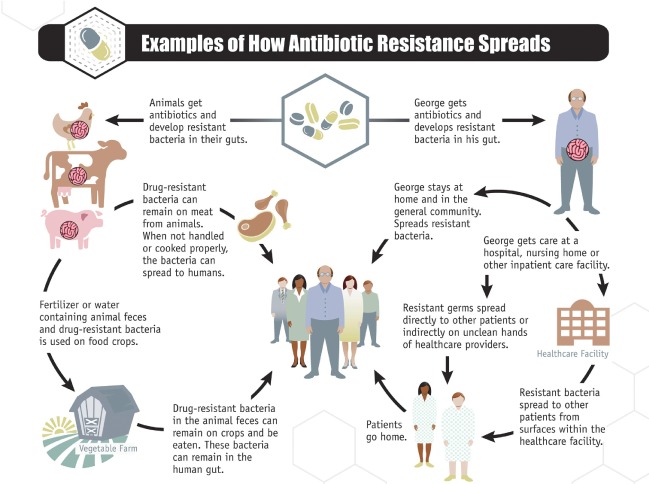
Moreover, if you stop taking the antibiotic too early, some bacteria survive. Those survivors are the strongest ones. They reproduce. Their offspring carry resistance to that antibiotic. Over time, this leads to what scientists call antibiotic-resistant bacteria.
The Biology of Antibiotic Resistance: How Bacteria Fight Back
Bacteria are incredibly smart, even without a brain. They evolve rapidly, especially under pressure from antibiotics. This is the core reason antibiotics abuse is so dangerous.
Bacteria develop resistance through several mechanisms. First, some bacteria develop pumps that push the antibiotic out of their cells before it can do damage. Second, others change the target that the antibiotic attacks, making the drug useless. Third, some bacteria produce enzymes that break down antibiotics entirely.
These resistance traits can be passed between bacteria, even across different species. Scientists call this horizontal gene transfer. Therefore, one resistant bacterium can share its resistance with many others.
Source: CDC – How Antibiotic Resistance Happens
This is why antibiotics abuse is not just a personal issue. Every time someone misuses antibiotics, they are contributing to the creation of stronger, deadlier bacteria for everyone.
Antibiotics Abuse in Rural Areas: A Perfect Storm
Rural communities face unique challenges that make antibiotics abuse much more common. Let us look at these challenges honestly.
Lack of healthcare access. In many rural areas, the nearest hospital or clinic can be hours away. People cannot afford to travel that far for a sore throat or stomach pain. So they self-medicate.
Poverty and financial barriers. A proper medical consultation costs money. So does getting a prescription filled. Many rural residents skip the diagnosis and just buy whatever antibiotics are available at the local pharmacy or market.
Unregulated drug sales. In many low-income countries, antibiotics are sold openly over the counter. No prescription is required. In some places, street vendors sell antibiotics alongside vegetables and phone credit.
Cultural beliefs. In some communities, antibiotics are seen as a general cure-all. People believe that if something is wrong with the body, antibiotics will fix it. This belief is deeply rooted and hard to change.
Leftover medications. Rural households often stockpile leftover antibiotics from previous prescriptions. Family members share these drugs freely. This practice makes antibiotics abuse incredibly common.
Source: The Lancet – Antibiotic Use in Low and Middle-Income Countries
The Human Cost: What Antibiotics Abuse Does to Your Body
The consequences of antibiotics abuse go beyond just making bacteria stronger. Your own body suffers too.
Gut health destruction. Your gut microbiome contains hundreds of bacterial species. They help you digest food, produce vitamins, and regulate your immune system. Unnecessary antibiotic use wipes out many of these beneficial bacteria. This can lead to digestive problems, weakened immunity, and even mental health issues.
Increased risk of infections. When good bacteria are killed off, harmful organisms rush in to fill the space. This is how conditions like Clostridioides difficile (C. diff) infection develop. C. diff causes severe diarrhea and can be life-threatening.
Allergic reactions and side effects. Antibiotics are not harmless pills. They can cause severe allergic reactions in some people. Side effects include rash, nausea, vomiting, and in rare cases, anaphylaxis. Taking antibiotics without medical supervision means no one is watching for these reactions.
Treatment failures. Because of antibiotics abuse, some infections that were once easy to treat are now very hard to cure. Tuberculosis is a perfect example. Drug-resistant TB now requires months of treatment with more toxic drugs.
The Global Threat: Superbugs Are Real
The term “superbug” sounds like something from a science fiction movie. Sadly, it is very real. Superbugs are bacteria that have become resistant to multiple antibiotics. They are a direct result of antibiotics abuse.
MRSA, or Methicillin-resistant Staphylococcus aureus, is one of the most well-known superbugs. It was once only found in hospitals. Today, it circulates in communities worldwide. Rural communities are particularly vulnerable because they lack the medical resources to handle such infections.
The United Nations has warned that by 2050, antibiotic-resistant infections could kill 10 million people every year. That is more deaths than cancer currently causes.
Source: UN Interagency Coordination Group on Antimicrobial Resistance
Alarmingly, the pipeline of new antibiotics is nearly empty. Drug companies have largely stopped developing them because they are not profitable enough. This means we are running out of weapons against bacterial infections.
Antibiotics Abuse and Children: A Painful Reality
Children in rural areas are disproportionately affected by antibiotics abuse. Parents naturally want to do everything they can to make a sick child feel better. So they give what is available.
However, giving children inappropriate antibiotics can cause lasting harm. It disrupts the development of their gut microbiome. Research shows that early antibiotic use in children is linked to higher rates of obesity, asthma, and autoimmune diseases later in life.
Source: JAMA Pediatrics – Antibiotic Use in Children and Long-term Effects
Additionally, wrong dosages in children can cause kidney damage and affect bone growth. Children are not small adults. Their bodies process drugs very differently.
The Role of Pharmacies in Spreading Antibiotics Abuse
Pharmacies, especially in rural settings, play a big role in the antibiotics abuse problem. In many developing countries, pharmacists are the first and often only health contact for rural residents.
Without proper regulation, some pharmacists and drug sellers dispense antibiotics without a prescription. They are sometimes more motivated by profit than patient safety. A customer comes in asking for “strong medicine” for fever. The seller hands over amoxicillin or ciprofloxacin without any questions.
Furthermore, patients often pressure pharmacists. They insist on antibiotics even when the pharmacist knows it is not needed. Social pressure is a powerful force.
This system is broken. But fixing it requires more than just blaming pharmacists. It requires policy change, regulation enforcement, and better education at all levels.
Agricultural Antibiotics Abuse: The Hidden Problem
Antibiotics abuse does not only happen in human medicine. It is rampant in agriculture too. This is especially relevant in rural areas where farming is common.
Farmers routinely give antibiotics to livestock, not just to treat infections, but to make animals grow faster. This practice has been going on for decades. However, it contributes massively to the overall resistance crisis.
When resistant bacteria develop in animals, they can spread to humans through food, water, and direct contact. Resistant bacteria have been found in rivers near farms, in vegetables grown in contaminated soil, and in meat products.
Source: FAO – Antimicrobial Resistance in Agriculture
Rural communities that depend on farming are therefore at double risk. They face antibiotics abuse in human medicine and antibiotic residues in their food and environment.
What the Research Says About Antibiotics Abuse in Developing Nations
Studies from across Africa, Asia, and Latin America paint a consistent picture. Antibiotics abuse is most severe in rural, low-income communities.
A study published in The Lancet Infectious Diseases found that antibiotic consumption in low-income countries has increased dramatically. Much of this increase comes from unregulated, non-prescription use.
In Nigeria, for example, studies have shown that over 70% of antibiotic use in rural communities happens without a prescription. Similar figures appear in India, Pakistan, and many parts of Southeast Asia.
Source: The Lancet Infectious Diseases – Global Antibiotic Consumption
The pattern is consistent. Where healthcare access is low, antibiotics abuse is high. The relationship between poverty and drug misuse is deeply intertwined.
Antibiotics Abuse and Mental Health: A Surprising Link
Most people do not connect antibiotics abuse with mental health. However, emerging science suggests a strong link between the gut microbiome and the brain.
Researchers call this the gut-brain axis. The gut communicates directly with the brain through the vagus nerve. The bacteria in your gut produce neurotransmitters, including serotonin, which regulates mood.
When antibiotics abuse disrupts the gut microbiome, it can also affect brain chemistry. Studies in animals have shown that antibiotic use changes behavior and increases anxiety-like symptoms. Researchers are now exploring similar effects in humans.
Source: Nature Reviews Neuroscience – The Gut-Brain Axis
This adds another layer of complexity to the antibiotics abuse problem. The consequences extend far beyond the immediate infection being treated.
How Antibiotics Abuse Affects Pregnancy and Newborns
Pregnant women in rural areas are especially vulnerable to the harms of antibiotics abuse. Taking the wrong antibiotic during pregnancy can harm the developing fetus.
Some antibiotics, like tetracyclines, damage fetal bone development and cause permanent tooth discoloration in children. Others, like fluoroquinolones, are linked to joint problems in developing infants.
Moreover, a mother’s microbiome is passed to her baby at birth. If the mother’s gut bacteria are disrupted due to antibiotics abuse, the baby’s microbiome is compromised from day one. This has long-term implications for the child’s immune development and disease resistance.
What Can Be Done: Tackling Antibiotics Abuse at the Root
The problem of antibiotics abuse requires action at multiple levels. Blaming individuals alone is not fair and not effective. Instead, here is what needs to happen.
Better education in communities. Rural communities need clear, simple information about how antibiotics work and why misusing them is dangerous. This education should be in local languages and delivered through trusted community channels.
Stronger regulation of pharmacies. Governments must enforce laws that require prescriptions for antibiotics. Pharmacies that sell antibiotics illegally should face real consequences.
More rural healthcare workers. Training and deploying community health workers in rural areas can help bridge the gap. These workers can guide people toward appropriate treatment and away from self-medication.
Antibiotic stewardship programs. Hospitals and clinics should have formal programs that ensure antibiotics are used only when truly needed. These programs are common in wealthy countries but are rarely found in rural settings in developing nations.
Reducing antibiotic use in agriculture. Governments should ban the use of antibiotics as growth promoters in livestock. Farmers need access to alternatives and education about the risks.
Source: WHO – Global Action Plan on Antimicrobial Resistance
Antibiotics Abuse and the Future of Medicine
The stakes could not be higher. Antibiotics abuse threatens to undo one of the greatest achievements in human history. Before antibiotics, simple infections killed people regularly. Surgeries were enormously risky. Childbirth was life-threatening.
If resistance continues to rise, we could return to an era where common infections become fatal again. Routine surgeries could become too dangerous to perform. Cancer treatment and organ transplants rely on antibiotics to prevent infections. Without effective antibiotics, these procedures would become impossible.
The future of modern medicine depends on taking antibiotics abuse seriously right now. Therefore, every community, every government, and every individual has a role to play.
Simple Steps Every Rural Community Can Take Today
Change does not have to wait for governments or global organizations. Communities can start making a difference now.
First, stop sharing antibiotics with others. Your prescription is for your specific infection and your specific body. Second, always complete the full course of antibiotics if a doctor prescribes them. Stopping early creates resistant bacteria. Third, never pressure a pharmacist or doctor to give you antibiotics. Trust their professional judgment. Fourth, teach children from an early age that antibiotics are special medicines, not everyday drugs. Fifth, support community health campaigns that raise awareness about antibiotics abuse.
Small actions add up. They always do.
Conclusion: The Fight Against Antibiotics Abuse Starts Here
Antibiotics abuse is not a distant problem for scientists and policymakers to solve. It is happening right now, in homes, farms, and markets across rural communities everywhere.
The biology is clear. The risks are real. The consequences are already here. However, the good news is that antibiotics abuse is preventable. With better awareness, stronger rules, and smarter healthcare systems, we can protect these life-saving drugs for generations to come.
The bacteria are evolving. The question is whether we will evolve too, in how we think, act, and care for our communities.
It is time to take antibiotics abuse seriously. Because the alternative is a world none of us wants to live in.
Sources and External Links
- Antibiotics wreak havoc on athletic performance (UC Riverside study, 2022): https://www.universityofcalifornia.edu/news/antibiotics-wreak-havoc-athletic-performance
- Using the microbiome to promote muscle growth (University of Kentucky, 2021): https://www.eurekalert.org/news-releases/929371
- Gut-muscle crosstalk and microbiome influence on muscle mass (review, 2023): https://www.frontiersin.org/journals/medicine/articles/10.3389/fmed.2022.1065365/full
- Discovery of intestinal microorganisms affecting muscle strength (2025 study on specific Lactobacillus strains): https://www.nature.com/articles/s41598-025-15222-2